 VANTAGE Windows & Doors
 Roofing Industries
 ALTHERM Window Systems
 Dimond Roofing
 Juralco Aluminium
 SPAX
SPAX



 Prolam
 Case Studies
 PGH Bricks
 Metwood






 Mapei Products in New Zealand





In MBIE Determination 2026/015, an upper-level tiled bathroom floor was installed over plywood using an adhesive described as “waterproof”, but without the continuous impervious substrate or membrane required by E3/AS1. The adhesive was also unsuitable for the expected timber movement, and the system didn't meet B2 durability requirements.
The internal moisture compliance framework
NZBC E3/AS1 provides a means of compliance with Building Code Clause E3 Internal Moisture. Its requirements include provisions for adequate disposal of overflow water, and surfaces to be impervious.
Where waterproofing is required
Under-flooring waterproofing is required to protect the substrate in a 1.5m radius from the water source and must be installed under any cabinetry that encloses the water source's pipes and drains. Plus, at the 1.5m radius, a water stop is required to stop the tracking of any water in the installation which can occur in an adhesive bed.
Floor finishes and substrate movement
It's easy to assume that you can rely on an impervious porcelain tile and epoxy grout, or an impervious LVT or pre-sealed engineered timber floor, however potential movement in a substrate and the floor covering can cause moisture ingress. This may cause damage over time that wouldn't be noticed until the floor coverings and substrate are damaged and need replacing.
Junctions, joints, and penetrations
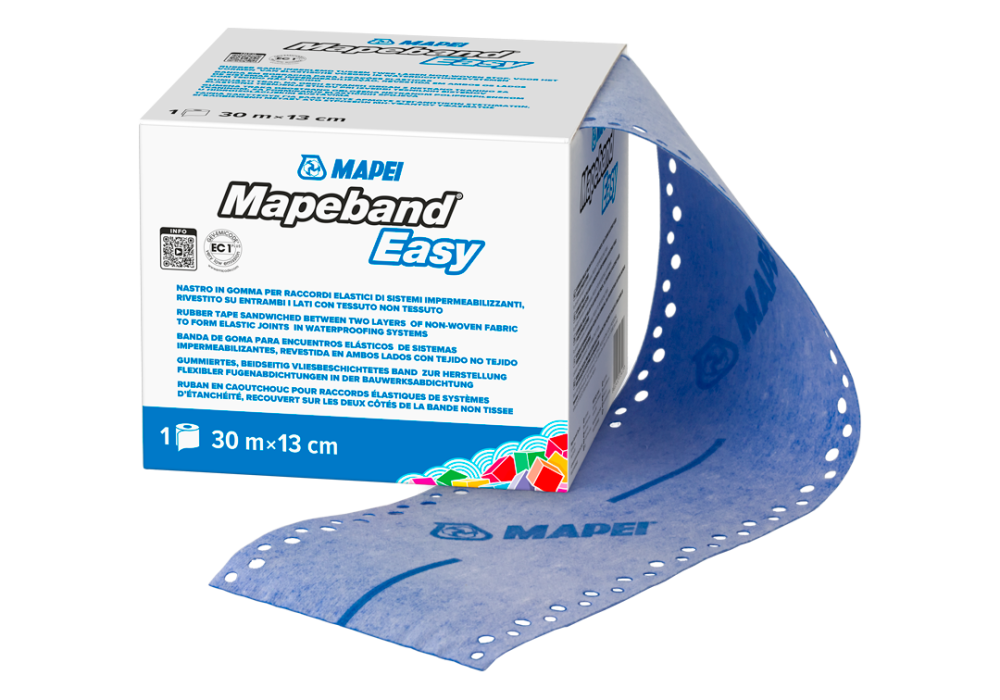
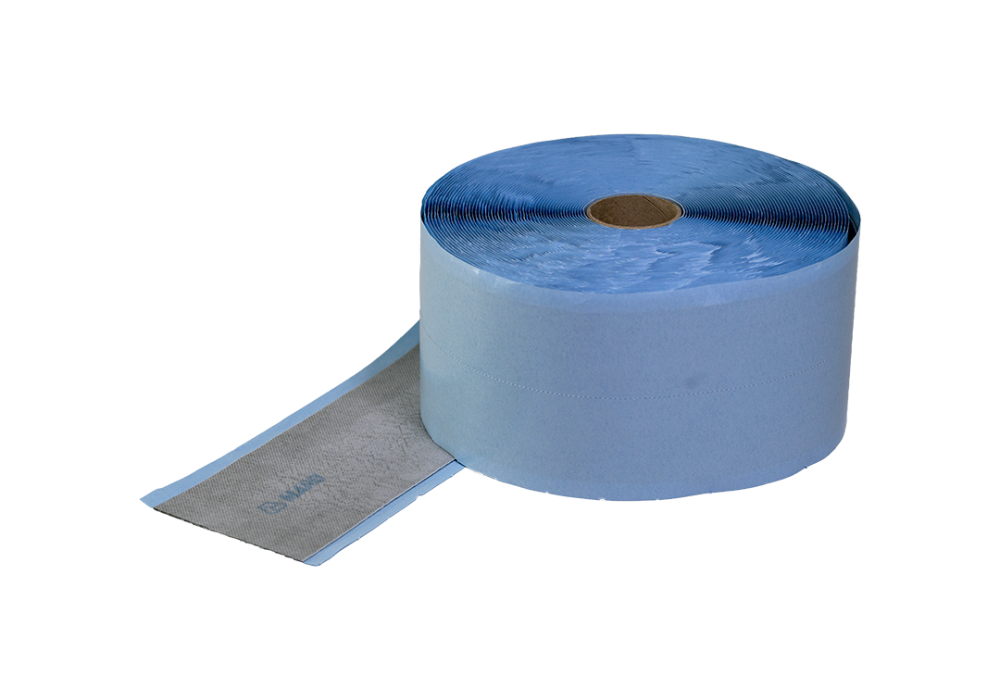
Waterproofing installation detailing must be robust. Areas with changes in plane, expansion joints, pipe penetration and drain details are the most common points of failure in an installation, as they have the most stress on the system. Therefore, a system needs to provide an independently tested and approved membrane, and accessories like waterproof butyl or rubber-based tapes and gaskets are essential for failure prevention.
Mapei Systems for Substrate Protection
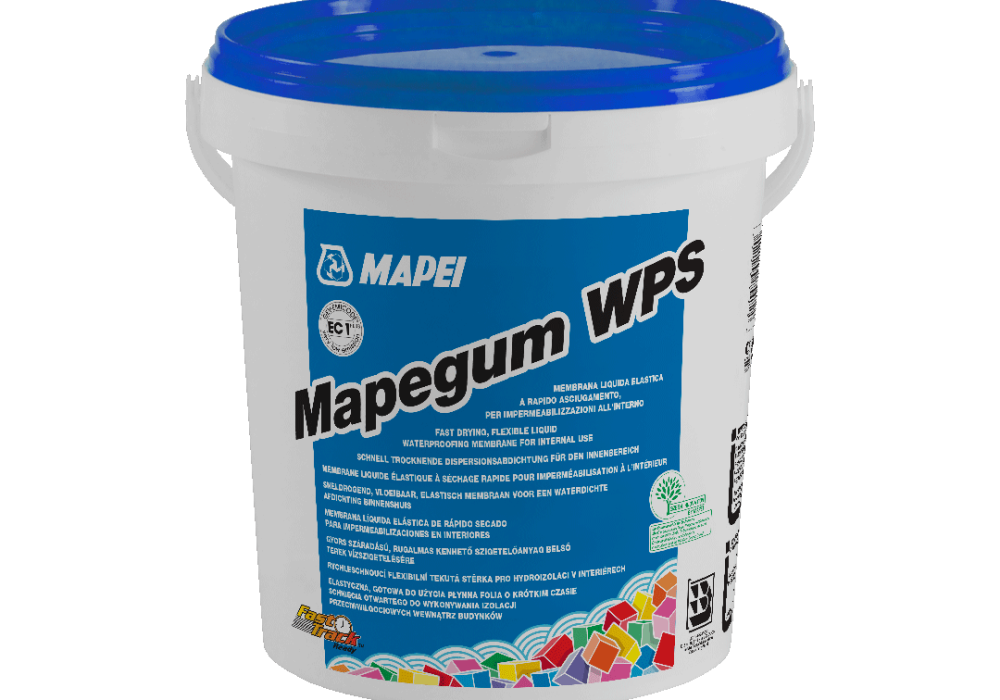
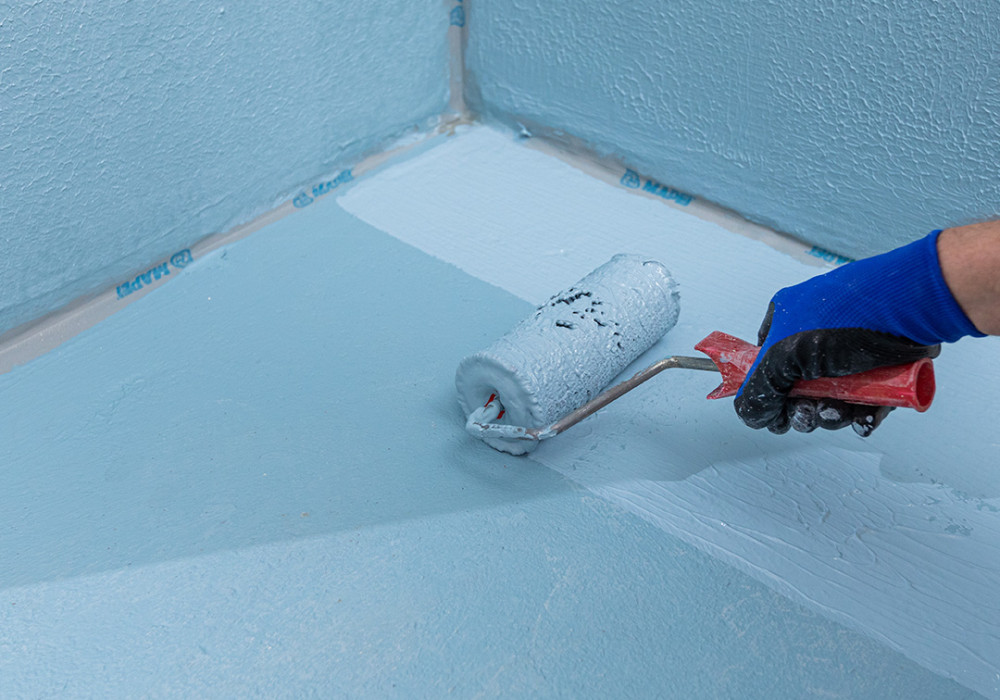
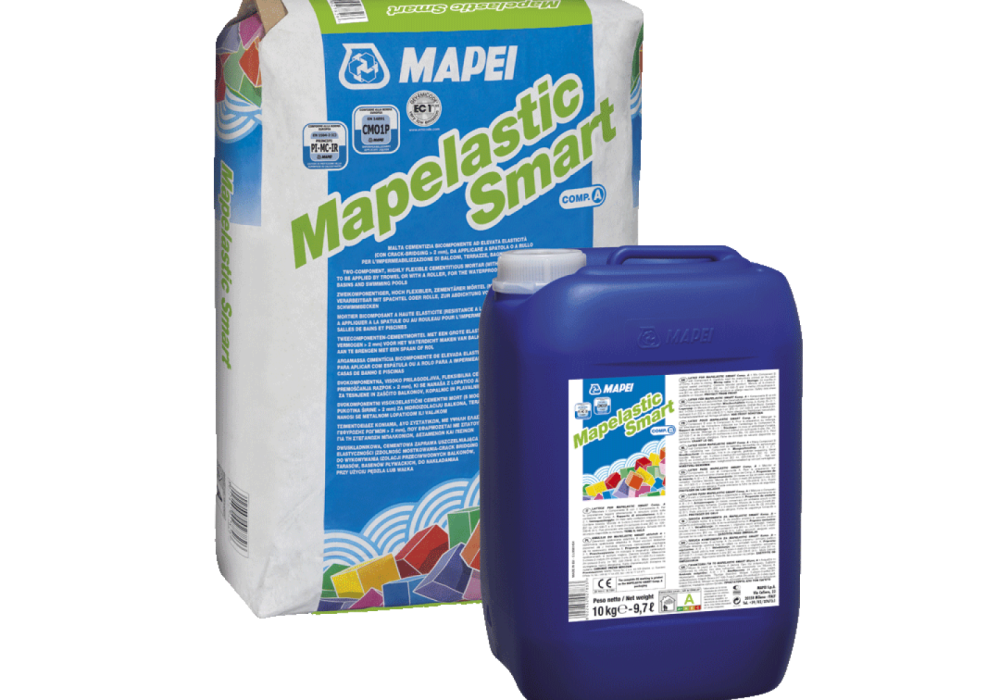
Mapei products for internal waterproofing under floor coverings include Mapelastic Smart: a two-component cement-based tanking membrane. One-component membranes include Mapelastic AquaDefense and Mapegum WPS, which are commonly used for interior waterproofing, and once cured don't re-emulsify when subjected to standing water. All three Mapei membranes are VOC emissions-tested and when used with Mapeband Easy or Mapeband SA waterproof tapes and gaskets, provide robust solutions for the protection of internal substrates.
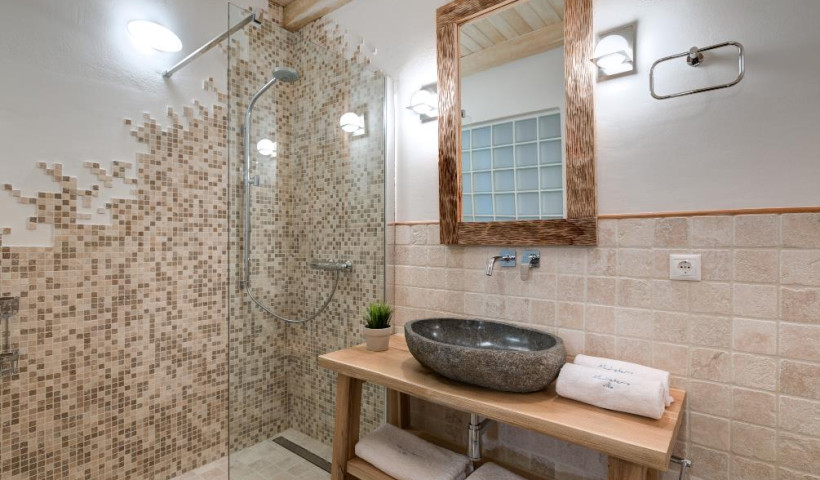
When designing areas like shower floors, it's important to consider there is the correct positive runoff for water to drainage points. In this case, Mapei can provide suitable products to achieve this over any substrate. Forming falls must also be done prior to the installation of the waterproofing membrane.
E3, B2 and the Mapei System Warranty
When specified and installed as complete systems within the relevant appraisal scope and Mapei requirements, these solutions support compliance with NZBC E3 Internal Moisture and B2 Durability. Eligible installations may also be supported by a 15-year Mapei system warranty, subject to relevant terms and conditions.
 Popular Products from Mapei Products in New Zealand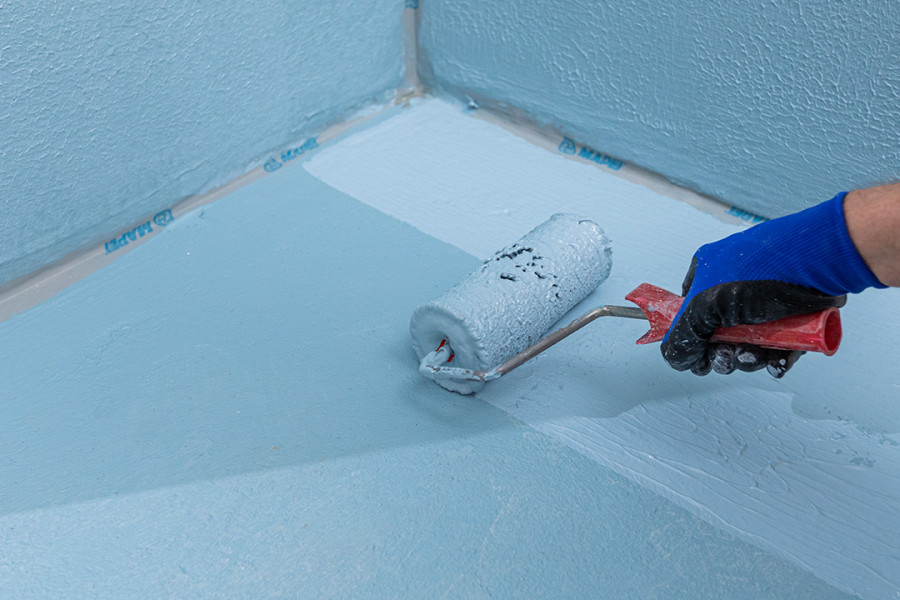
 Most Popular
 Popular Blog Posts