 VANTAGE Windows & Doors
 Roofing Industries
 ALTHERM Window Systems
 Dimond Roofing
 Juralco Aluminium
 SPAX
SPAX


 Prolam
 Case Studies
 PGH Bricks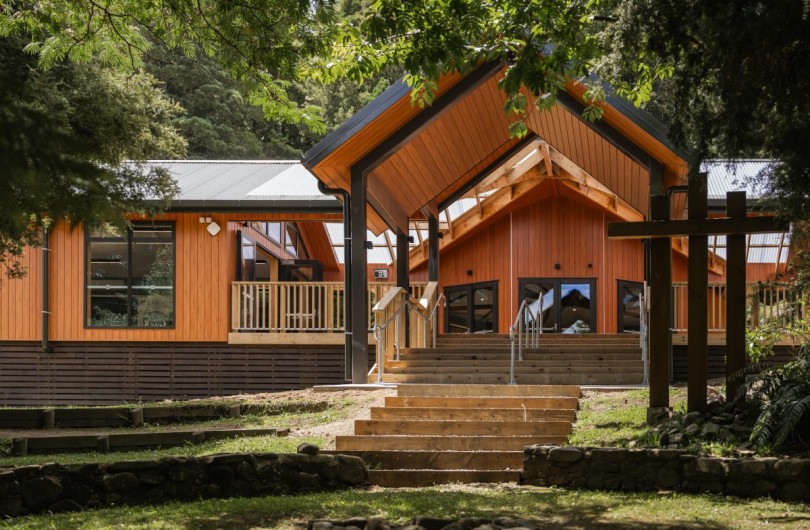
 Metwood





 LMA Timber




For decades, the construction sector chased the next big innovation in synthetic materials. We were promised that composites, plastics, and heavily treated pines would be the ultimate solution for durability and design.
But today, a quiet yet distinct shift is taking place across New Zealand’s architectural landscape. It is a movement that relies on deep history rather than new chemistry.
Architects, commercial builders, and local councils are increasingly stepping away from highly manufactured alternatives. Instead, they are specifying reclaimed and sustainably sourced Australian hardwood for their most ambitious commercial and residential builds.
In fact, we observe that nearly 80% of premium architectural briefs now prioritise natural, sustainable building materials over their synthetic counterparts.
So, what is driving this powerful return to organic, time-tested timber?
The intersection of sustainability and structural integrity
The answer lies in three key elements: environmental accountability, structural strength, and architectural authenticity.
First, let us examine the environmental shift. The modern client is highly educated on the carbon footprint of their environment. They demand materials that actively reduce environmental impact without sacrificing quality. Australian hardwood (particularly reclaimed) tells a compelling story of circular economy principles in action.
When we salvage timber from old infrastructure, for example, decommissioned bridges, wharves, and wool sheds, we are doing more than just saving a piece of history.
We are preventing high-quality, dense timber from heading to a landfill, and we are securely locking up its carbon for generations. This is a highly strategic choice for professionals aiming to secure critical green building certifications.
Next, we must consider the performance factor.
Australian hardwoods, such as Ironbark and Spotted Gum, are renowned for their exceptional density and Class 1 natural durability. These species evolved in some of the harshest climates on earth.
A legacy of unmatched performance
When this timber is reclaimed, it has already endured decades of extreme weather. All of the natural movement, shrinkage, and acclimatisation have already occurred.
What remains is an incredibly stable, ultra-resilient material that outperforms almost every other timber product available. It will endure New Zealand’s demanding coastal elements without the rapid degradation often seen in other materials.
Finally, from a design perspective, the aesthetic value is impossible to replicate in a factory.
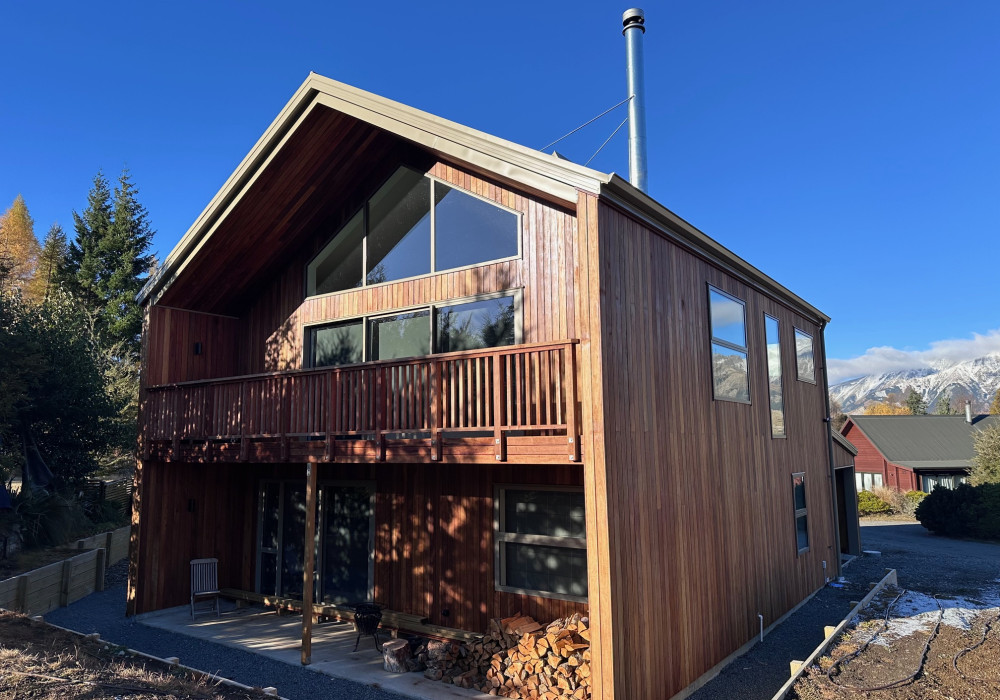
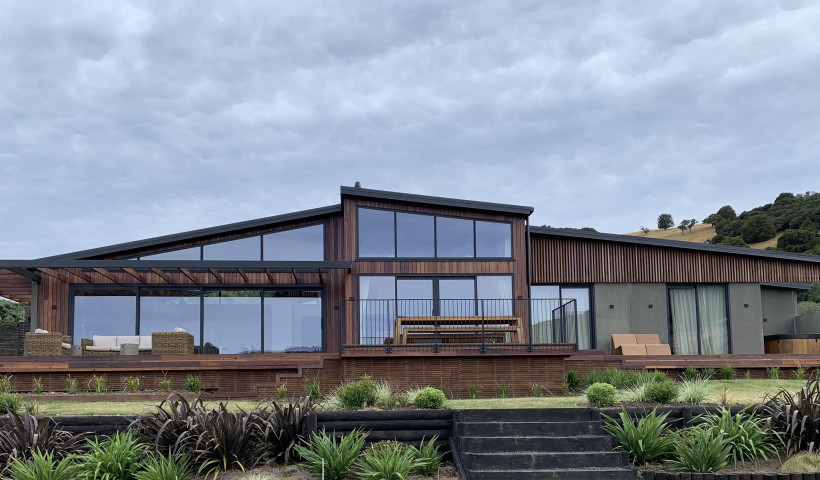
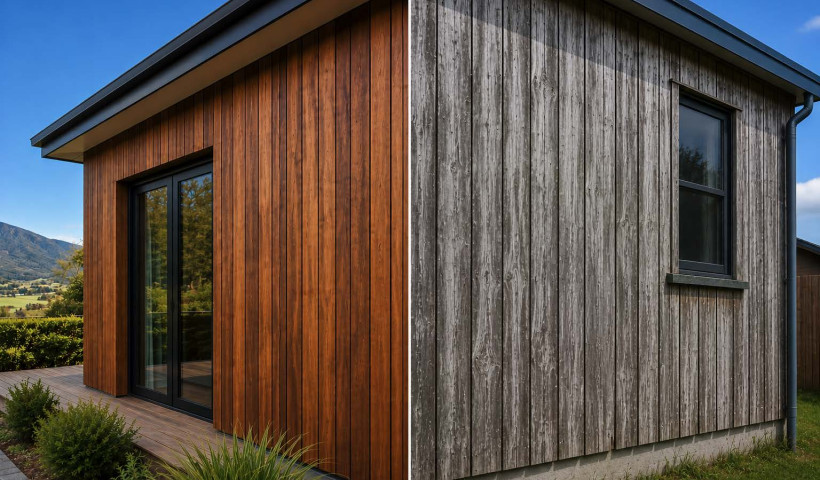
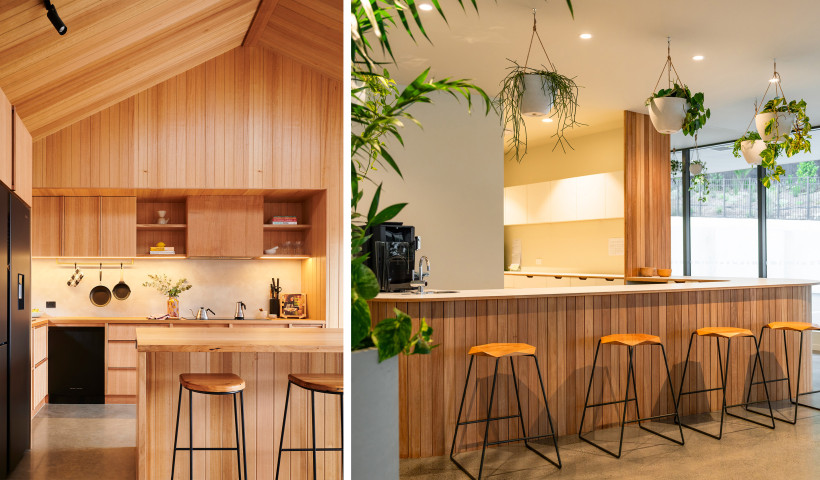
Whether it is used for striking exterior cladding in Wanaka, or robust structural beams in an Auckland commercial fit-out, reclaimed timber brings undeniable warmth. The profound effect of raw, historical timber on a modern space creates an atmosphere that synthetics simply cannot mimic.
It provides a tangible connection to the past, elevating both the perceived and actual value of the overall build.
However, specifying this calibre of timber requires a reliable, large-scale supply chain. LMA Timber brings in more than 24 tonnes of sustainable Australian hardwood every week. This consistency ensures that your project timelines are protected, and the quality remains uncompromised.
As we look to the future of construction in New Zealand, it is clear that the most innovative designs are those that respect natural resources. Authentic materials are not just a design trend; they are the absolute foundation of a lasting legacy.
Photos: Taranaki Renal Unit, Warren and Mahoney
 Popular Products from LMA Timber

 Most Popular
 Popular Blog Posts