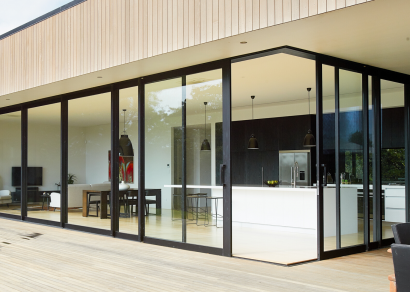
 VANTAGE Windows & Doors
 Roofing Industries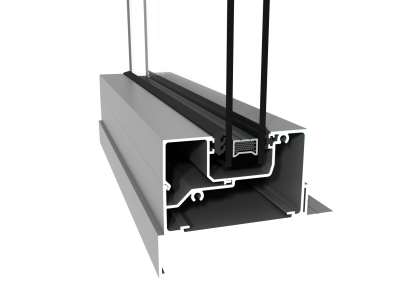
 ALTHERM Window Systems
 Dimond Roofing
 Juralco Aluminium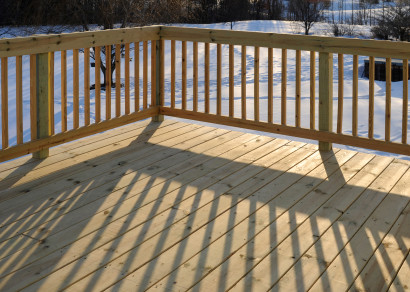
 SPAX
SPAX


 Prolam
 Case Studies
 PGH Bricks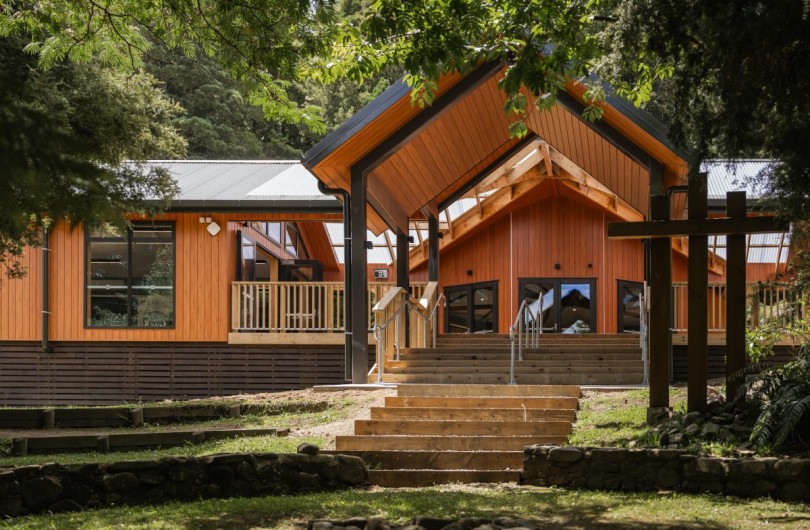
 Metwood






 LMA Timber


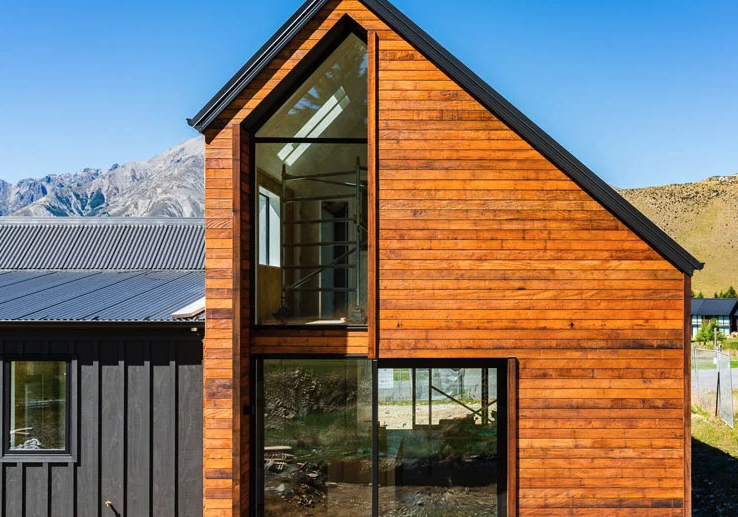

That's not a marketing claim. It's what the science is increasingly pointing to.
Research from the University of British Columbia found that simply being surrounded by wood lowers sympathetic nervous system activity — your body's fight-or-flight response — even when you're not consciously aware of it. Lower cortisol. Lower blood pressure. A calmer, more focused mind.
A year-long study of Austrian high school students in timber-fitted classrooms found measurably lower stress, heart rate, and blood pressure by year's end — compared to peers in standard rooms. The results weren't subtle.
In hospital settings, patients in wood-finished environments recover faster, report less pain, and rely less on medication. Architects are now specifying hardwood in healthcare facilities precisely because the outcomes are measurable.
This is what biophilic design is built on. Humans spent over 99% of our evolutionary history outdoors. Our nervous systems are wired to read natural materials as safe. Wood activates that response — through sight, touch, and even scent.
At LMA Timber, this is why the work matters to us beyond the project.
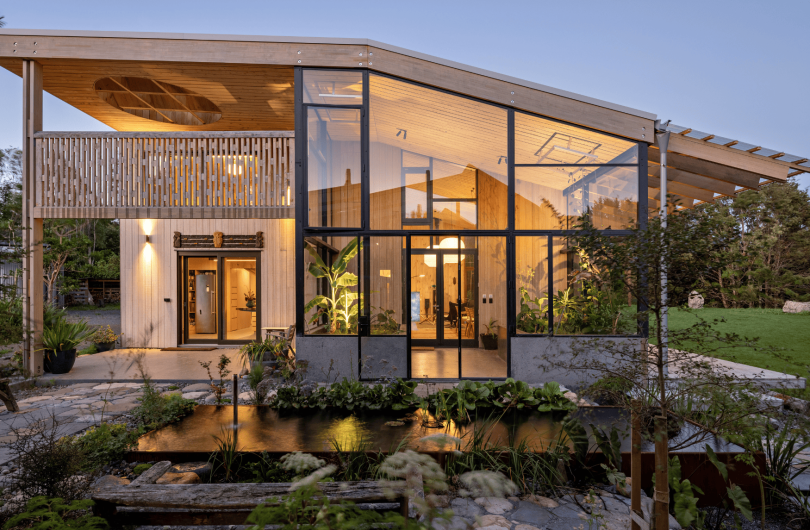
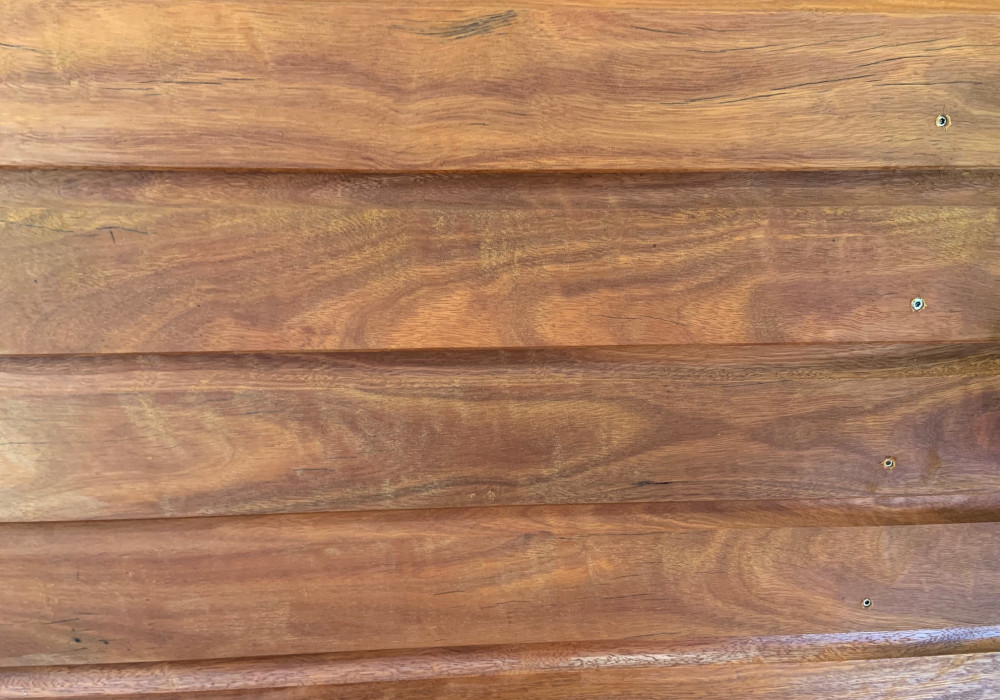
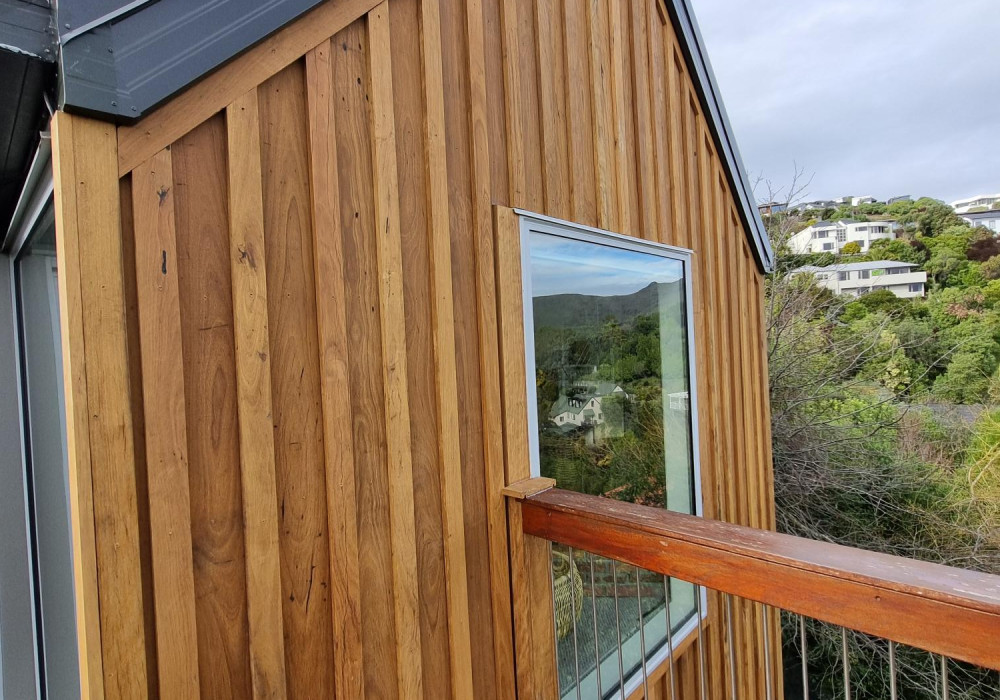
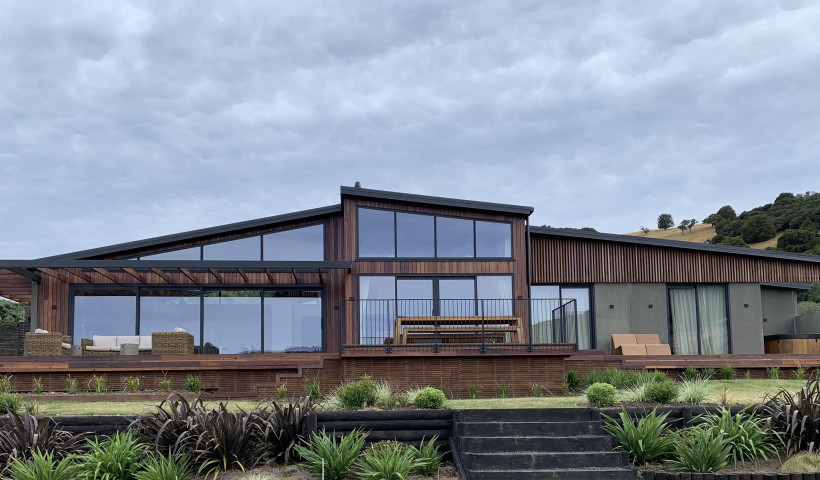
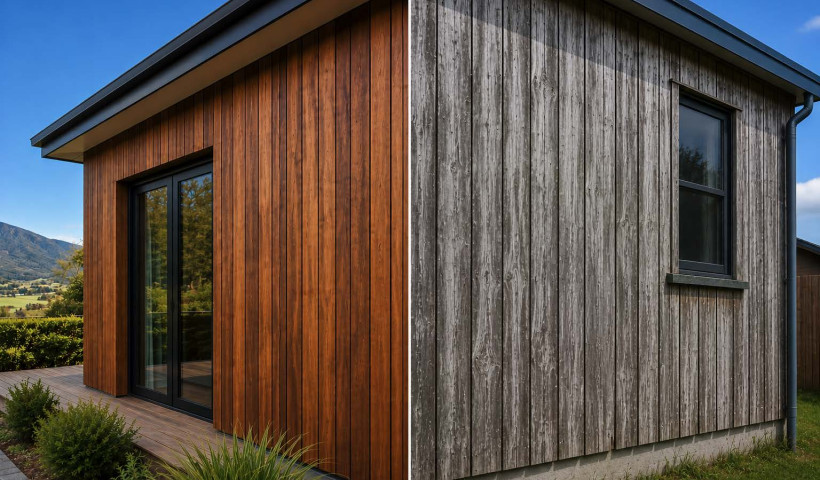
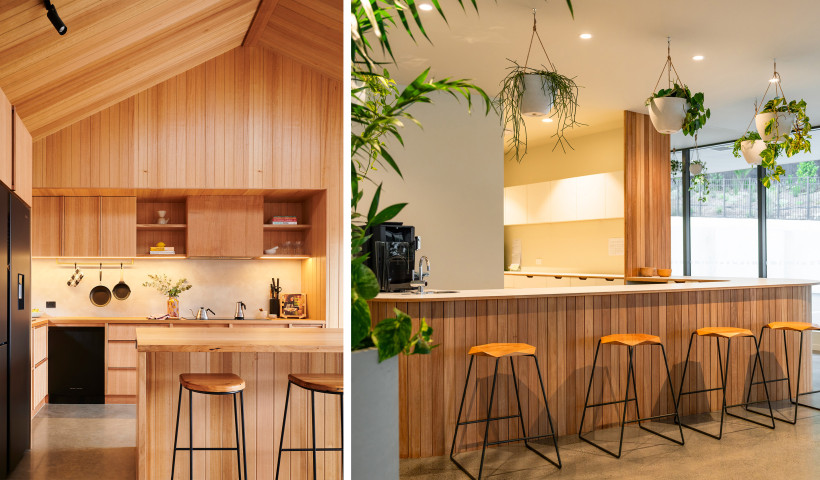
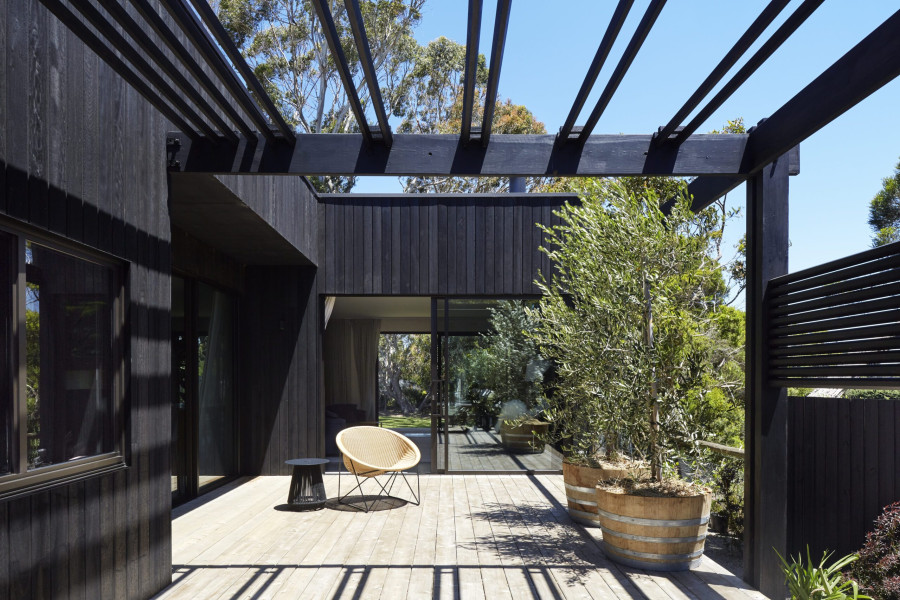
Whether it's hardwood flooring underfoot, exposed structural beams overhead, or timber cladding wrapping a space — you're not just specifying a material. You're specifying a physiological experience for the people who live and work in it.
What role does material selection play in your approach to human-centred design?
 Popular Products from LMA Timber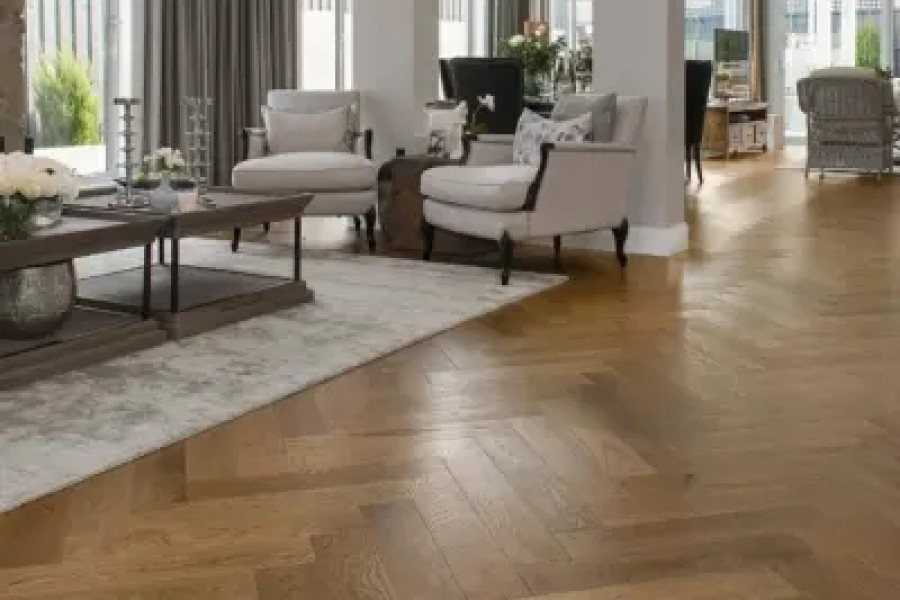

 Most Popular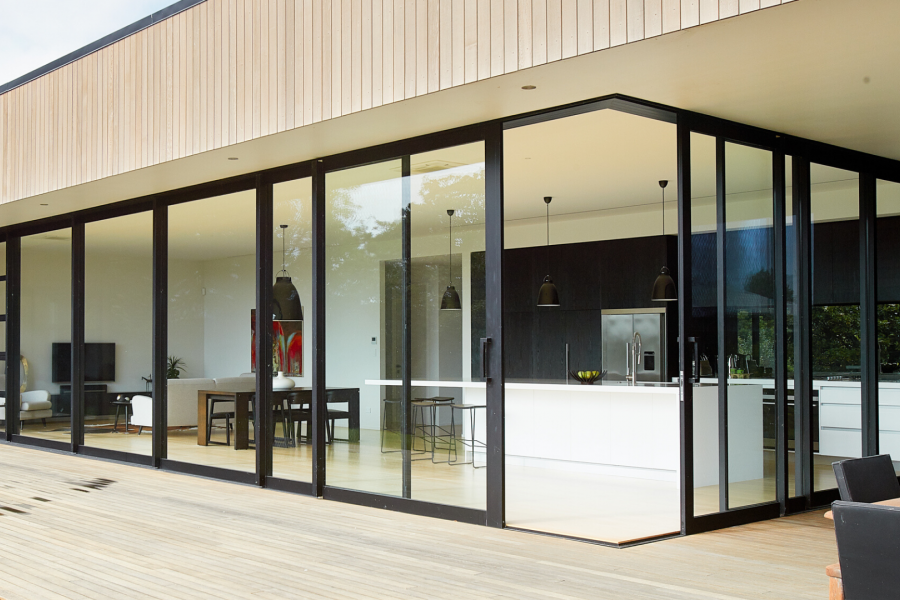

 Popular Blog Posts