 VANTAGE Windows & Doors
 Roofing Industries
 ALTHERM Window Systems
 Dimond Roofing
 Juralco Aluminium
 SPAX
SPAX



 Prolam
 Case Studies
 PGH Bricks
 Metwood






 Heritage Carpets





Effective from July 1 2025 the New Zealand Government has mandated that government agencies — numbering around 130 — consider using woollen fibres in new and refurbished government buildings where “practical and appropriate”.
Agencies will make their own assessment on the practicality and appropriateness of using wool, but those agencies opting not to use it must report annually to the Ministry of Business, Innovation and Employment (MBIE), explaining their reasons.
This initiative supports the 2023 coalition agreement's commitment to bolster the domestic wool industry and promote sustainable materials in public infrastructure.
For government buildings, wool has a variety of potential uses, such as flooring, insulation, acoustic panels and furnishings.
The amendment to the Procurement Rules will apply to government owned buildings for:
- New construction works when the maximum total estimated value of the procurement meets or exceeds the value of $9 million (excluding GST)
- For refurbishments when the maximum total estimated value of the procurement meets or exceeds the value of $100,000 (excluding GST).
Economic Growth Minister Nicola Willis said, "The factors agencies should consider when determining how to interpret this directive and whether the use of woollen products is practical and appropriate include cost, including whole of life, compliance with New Zealand standards, technical and functional requirements, where wool performs particularly well, availability, sustainability and wellbeing."
As a business that distributes New Zealand wool carpets and rugs to the market — both 100% wool and wool blend — Heritage Carpets is well versed in the “practicality and appropriateness” of the use of wool flooring for commercial spaces.
Specifying wool vs nylon carpets: What to consider:
When deciding between recycled nylon and wool carpets, considerations should include:
- Cost
- Durability/life of the carpet
- Does the warranty cover castor chairs, entry-ways, stairs
- Colour fastness
- Batch consistency
- Static (believe it or not wool can create more static than quality nylon)
- End of life:
- Wool: Is it a blend or 100% wool, and is the backing biodegradable, or able to be separated from the pile to go to landfill?
- Nylon: Is it eco-friendly/made from recycled materials? Is there a take-back scheme?
- Air quality
- Resilience to humidity
- Resilience to pests/use of pesticides
- Manufacturing process — is it as environmentally friendly as possible?
- Ease of maintenance
- Lead times may also be a factor in decision-making
Generalised guide to fit-for commercial purpose material use:
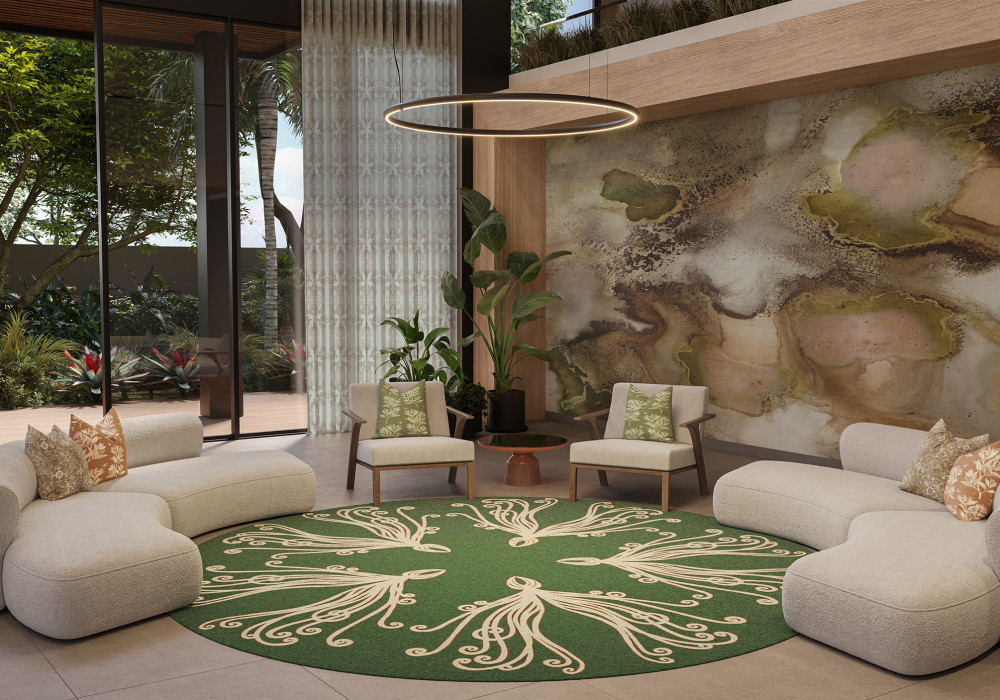
100% WOOL yarn – refer to image 1 above
- Best for feature rugs in reception areas
NB pure wool can break down in landfill as it is a natural product, ensure the rug backing is also natural
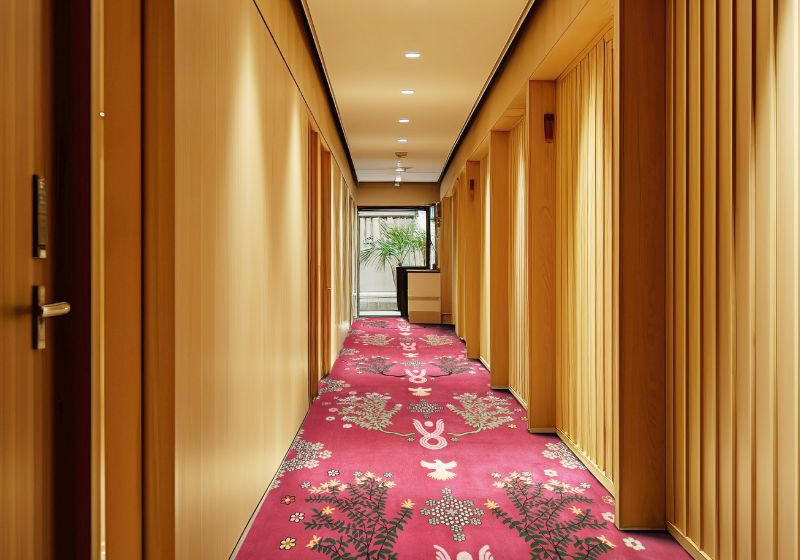
80/20 WOOL/NYLON yarn mix — refer to image 2 above
- Cut pile: not appropriate for castor chairs, shorter relative warranty for accessways/super high traffic zones
- Loop pile warranty for all zones (pulling due to misuse excepted).
- Flat weave loop pile warranty for all zones (pulling due to misuse excepted).
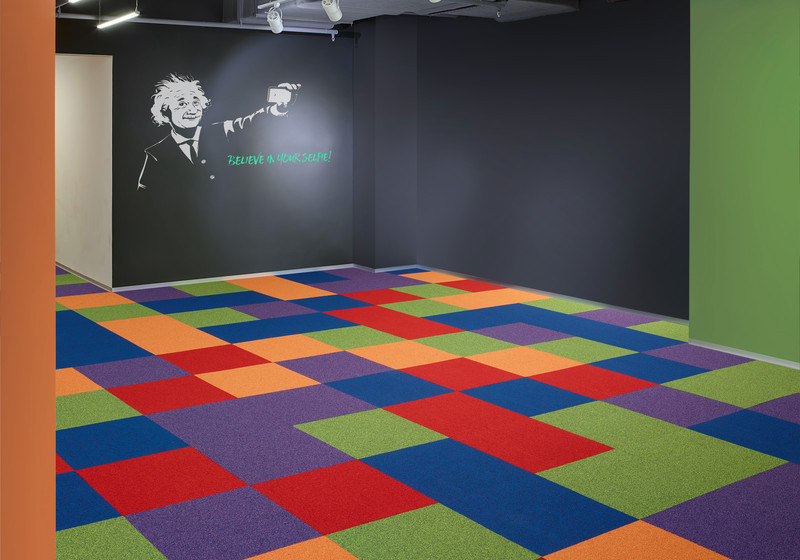
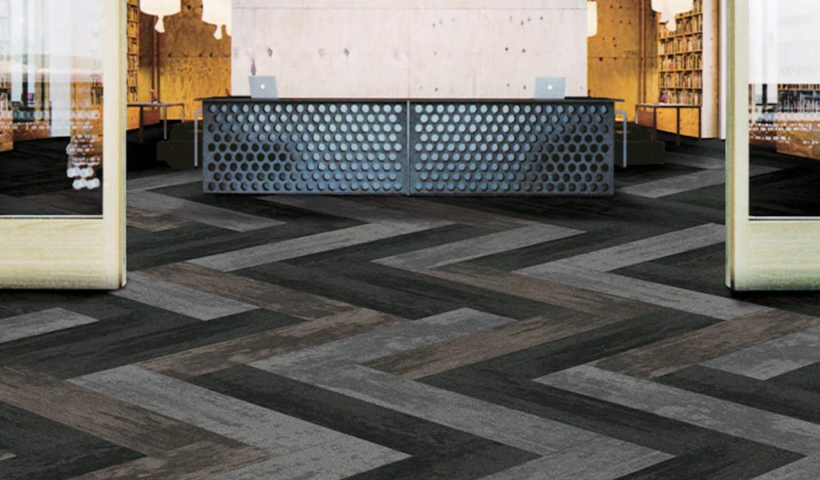
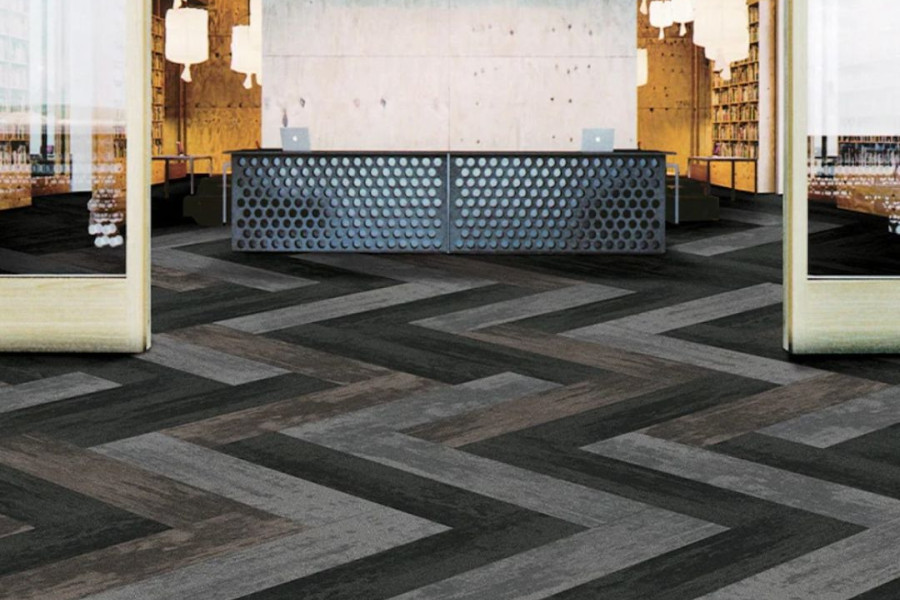
100% Solution Dyed NYLON yarn — refer to image 3 above
- Warranty for high traffic and castors.
NB can be made from 100% recycled yarn, which can be recycled — look for eco-friendly backings
Fun facts
The sector contributed $549m to the economy in the financial year ending 2024 from exporting processed and unprocessed wool products.
"New Zealand remains the world's third largest wool producer after China and Australia, and accounts for about 9 percent of total world wool production."(Source: Agriculture Minister Mark Patterson as quoted by RNZ)
Contact Heritage Carpets New Zealand for expert advice on flooring selections for your next project.

 Popular Products from Heritage Carpets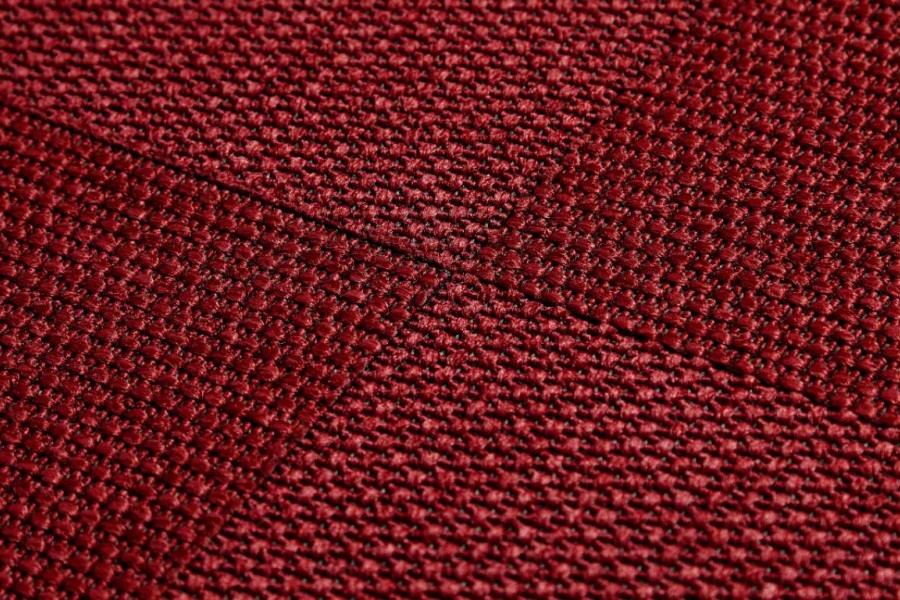

 Most Popular
 Popular Blog Posts