 VANTAGE Windows & Doors
 Roofing Industries
 ALTHERM Window Systems
 Dimond Roofing
 Juralco Aluminium
 dormakaba


 Prolam
 Case Studies
 PGH Bricks
 Metwood






 Heritage Carpets


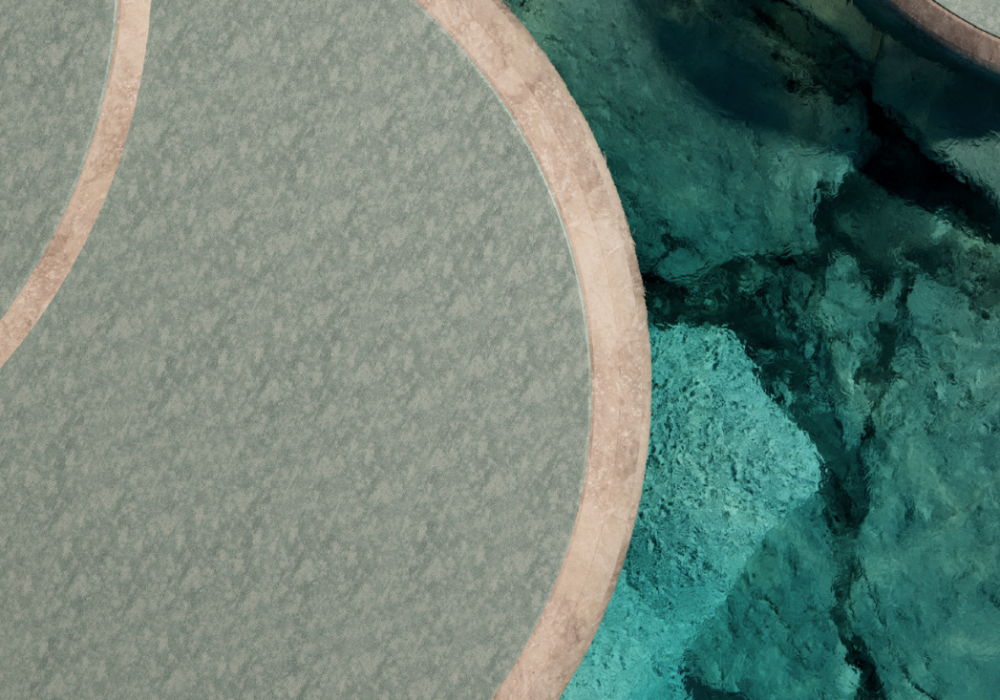



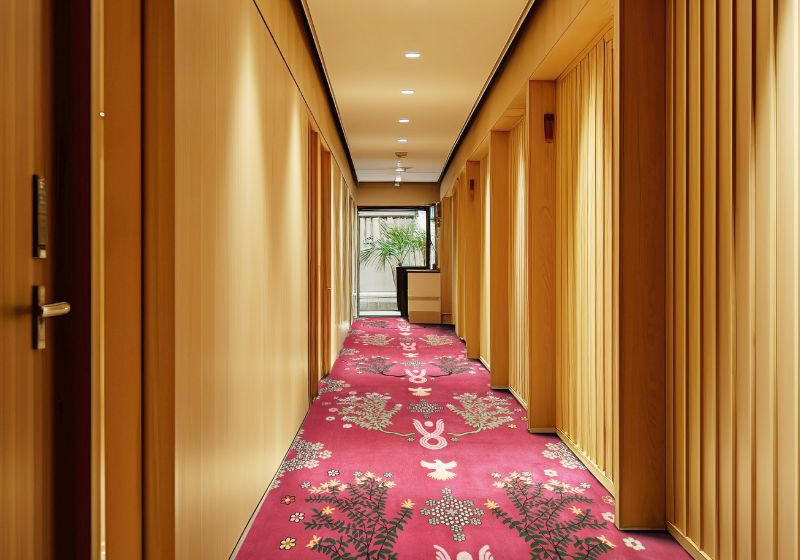
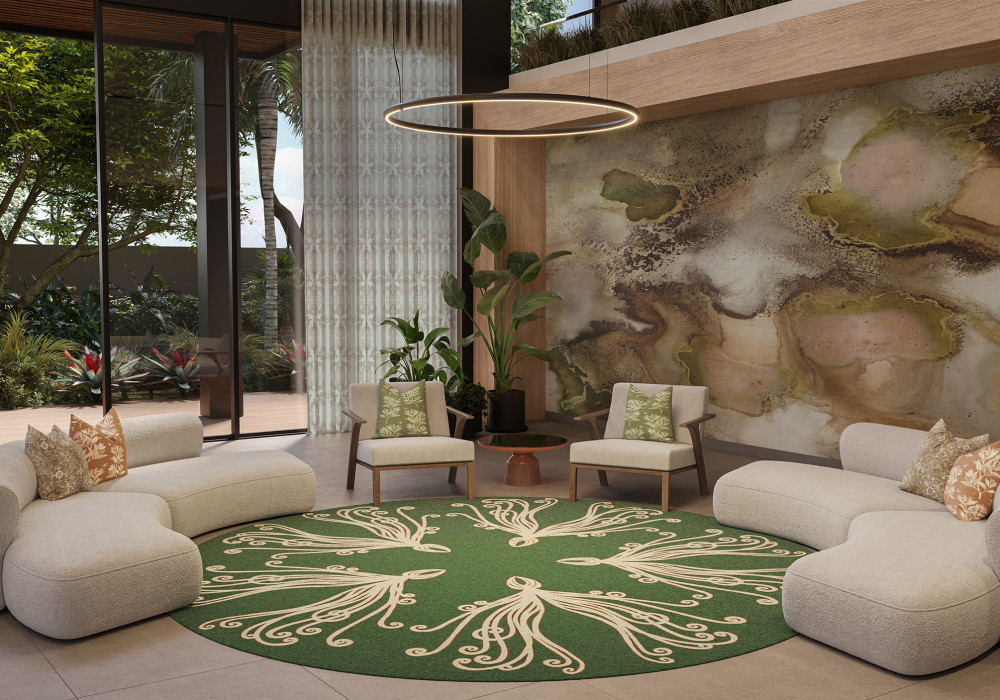

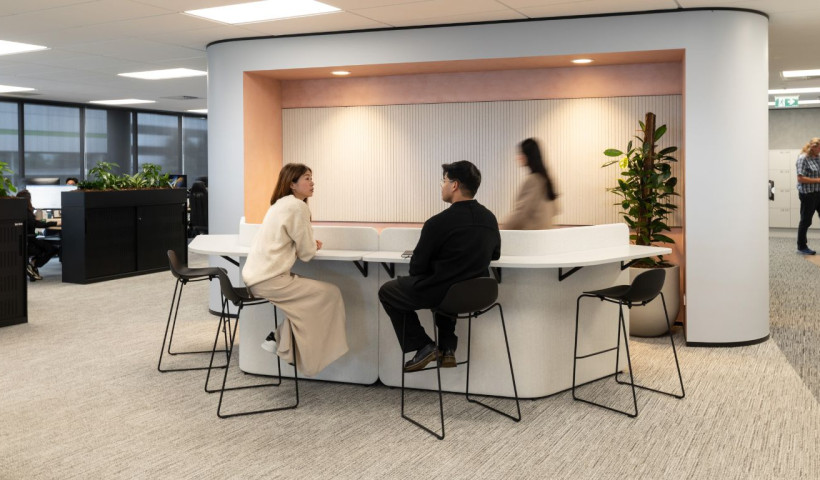
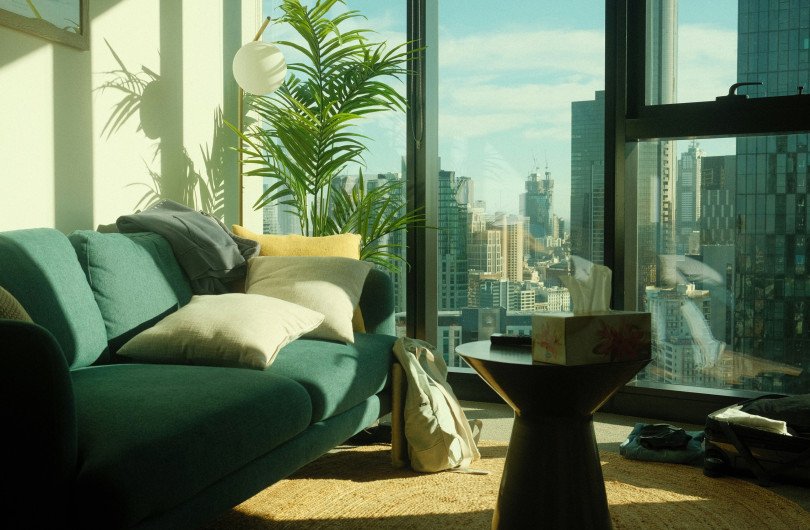
Project clients are placing growing emphasis on occupant wellbeing. Neuroaesthetics — the science of how aesthetic experiences affect the brain and behaviour — offers a practical framework for people-centric design, and to justify design decisions in terms of performance, not just style.
What is neuroaesthetics?
Neuroaesthetics examines how elements such as colour, pattern, texture, light and sound influence our emotional state, stress levels, focus and social connection. For specifiers, it connects the sensory qualities of materials to outcomes like productivity, wayfinding and inclusion. For healthcare, recovery rates can be improved in a nurturing sensory environment. For interior designers and architects, Neuroaesthetics also supports clearer conversations with clients about why one solution is preferable to another when budgets are tight.
Using soft flooring as a neuroaesthetic tool
Carpet is particularly impactful through a neuroaesthetic lens. Acoustic performance is a key driver: soft flooring helps control noise and reverberation, improving speech intelligibility and reducing distraction in open-plan offices, classrooms, hotel corridors and aged care environments. Tactile comfort underfoot can enhance perceived quality and safety, supporting longer dwell times and a more relaxed user experience in lobbies, lounges and circulation zones.
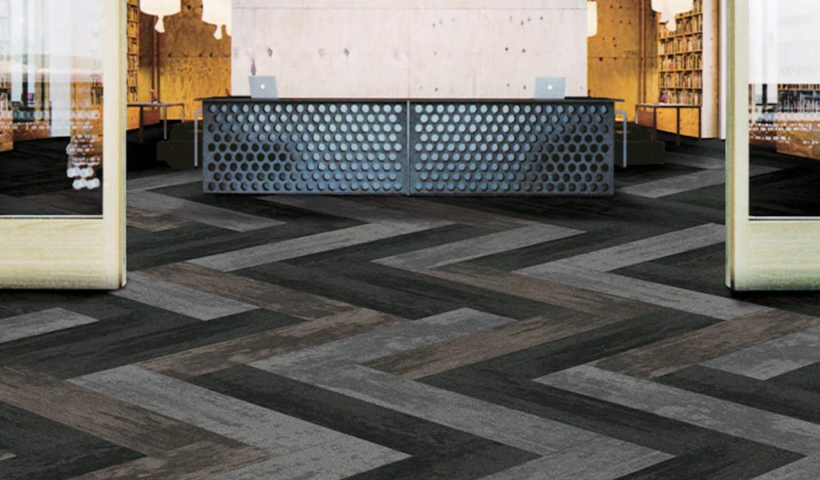
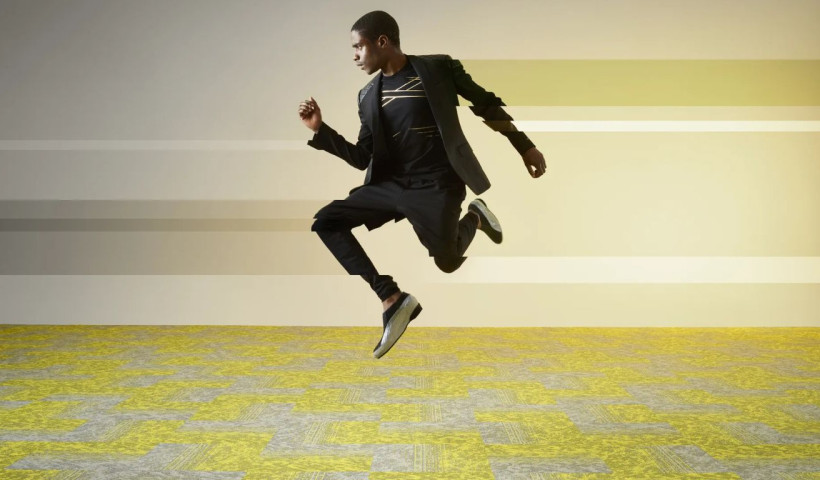
Pattern direction and colour on the floor can guide movement and behaviour, delineating zones whilst allowing for a flexible floor plan. Scale and contrast can be tuned to avoid visual “busy-ness”, which is particularly important for neurodivergent users and those with sensory sensitivities. Carpet tiles also permit being reconfigured, for the ultimate flexibility, as the needs in a space may evolve.
Biophilic design aligns strongly with neuroaesthetics
Collections developed in partnership with Miranda Brown allow Heritage Carpets to bring nature-inspired colour and pattern into commercial and residential interiors, supporting connection to nature and a more restorative atmosphere. These can be used as feature rugs, broadloom or Axminster, or custom-designed to reinforce brand and place.
From a technical standpoint, product selection also intersects with material health and sustainability. Through partners such as modulyss and Bentley Mills LA, Heritage Carpets can supply carpets that address acoustic performance, durability and environmental certifications alongside the sensory and aesthetic qualities discussed above. This helps specifiers satisfy Green Star and WELL aspirations while delivering environments that genuinely support wellbeing.
By approaching carpet as a key neuroaesthetic tool, designers can unlock additional value from their choice of flooring — improving comfort, productivity and inclusivity for the people who use these spaces every day.
If you are exploring how neuroaesthetics, biophilic design and inclusive sensory strategies can strengthen your next project, the Heritage Carpets team can help you align product selection or custom design with the specific wellbeing goals of your brief.
Contact Heritage Carpets for support
Read more about neuroaesthetics
 Popular Products from Heritage Carpets

 Most Popular

 Popular Blog Posts