 VANTAGE Windows & Doors
 Roofing Industries
 ALTHERM Window Systems
 Dimond Roofing
 Juralco Aluminium
 SPAX
SPAX



 Prolam
 Case Studies
 PGH Bricks
 Metwood







 Allied Concrete




With the removal of the schedule method from NZBC H1, achieving compliance for residential new builds has become more complex. Designers can no longer rely on meeting minimum R-values for individual elements and must now consider the thermal performance of the entire building using calculation or modelling methods.
This shift is placing increased pressure on architects, designers, and specifiers to coordinate materials, systems, and performance data more closely than ever before.
The challenge: More complexity, more risk
Under the new H1 framework, common challenges include:
- Coordinating multiple building elements to meet whole-of-home performance targets
- Sourcing accurate R-values and thermal data for modelling
- Avoiding costly redesigns when performance targets are not met
- Balancing compliance with buildability and budget constraints
For many projects, the foundation is often overlooked, yet it plays a critical role in overall thermal performance.
The opportunity: Designing smarter from the ground up
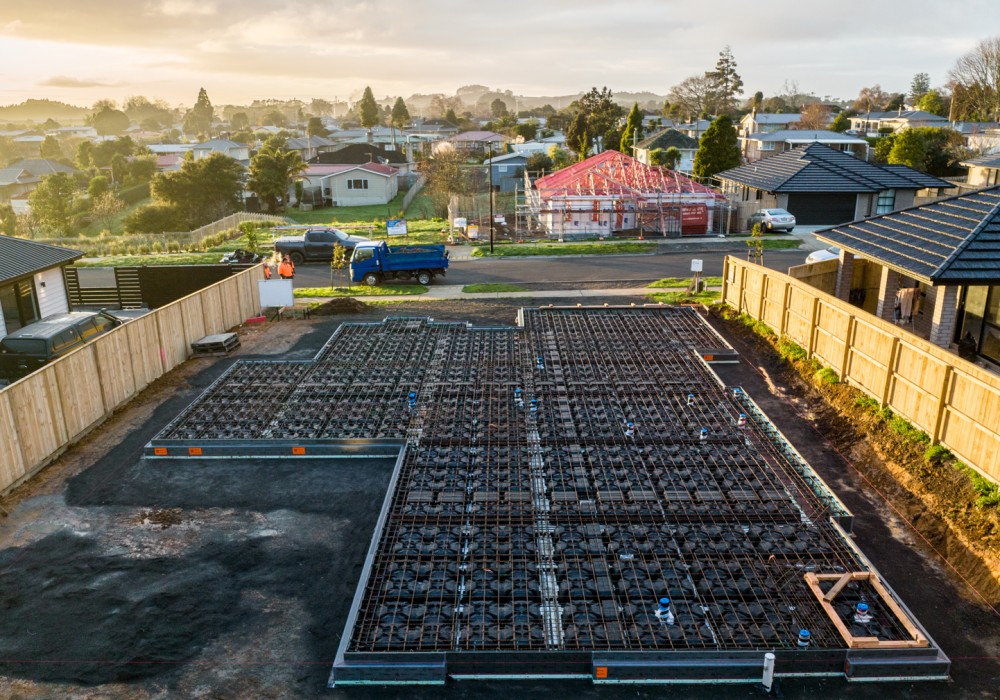
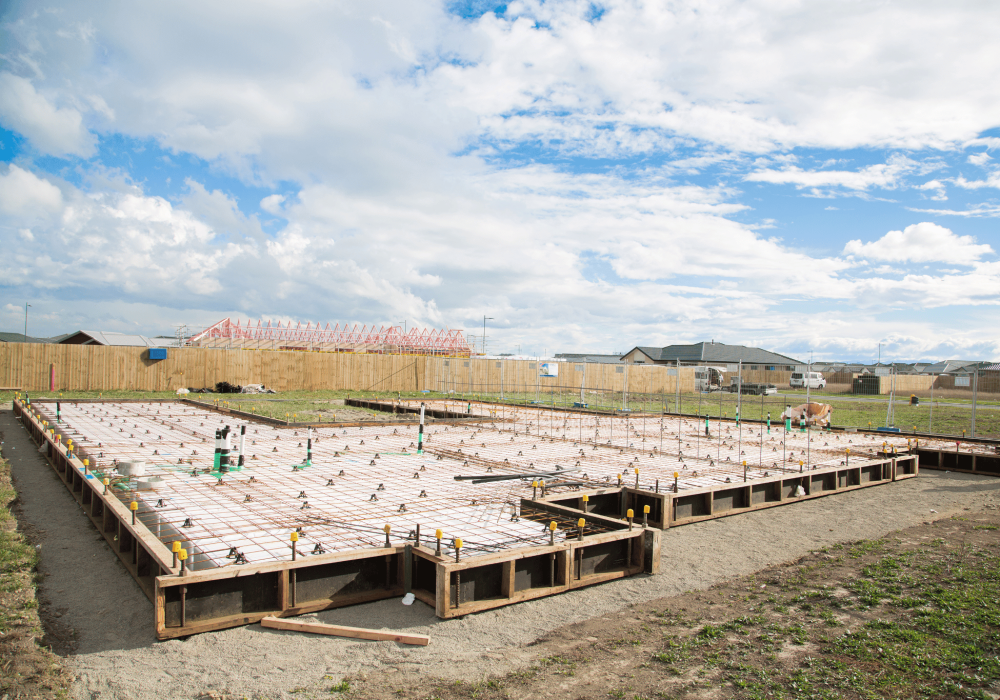
Foundation systems play a key role in thermal performance, particularly in slab-on-ground construction. When designed correctly, they can contribute significantly to achieving H1 requirements without the need for costly retrofits or redesign later in the project.
This is where early collaboration becomes critical.
How DesignHub supports better outcomes
DesignHub, Allied Concrete’s in-house design service, is built to support designers navigating this new environment.
By engaging early, architects and specifiers can access:
- Foundation designs aligned with CodeMark-compliant systems
- R-value calculations to support H1 modelling and documentation
- Value engineering advice to optimise both cost and performance
- Material recommendations that contribute to improved energy efficiency
- Detailed material take-offs to streamline specification and pricing
Most services above are provided at no cost, helping reduce the complexity and risk associated with H1 compliance.
Integrated systems: SuperSlab and SuperSlab+
Allied Concrete’s SuperSlab and SuperSlab+ foundation systems are engineered to meet current H1 requirements, providing a compliant and practical solution for residential construction.
When specified through DesignHub, these systems can be tailored to suit project-specific requirements, ensuring:
- Verified thermal performance
- Compliance with CodeMark standards
- Efficient material use and reduced waste
- Buildability for contractors on site
This integrated approach allows designers to confidently specify a foundation system that supports both compliance and performance outcomes.
Reducing risk, improving certainty
One of the biggest risks in H1 compliance is late-stage design changes. Adjustments made after consent or during construction can lead to delays, increased costs, and compromised design intent.
By addressing foundation performance options early with DesignHub, designers can reduce uncertainty and avoid rework, ensuring smoother project delivery from concept through to construction.
A smarter path to compliance
The transition away from the schedule method represents a fundamental shift in how homes are designed in New Zealand.
As H1 requirements continue to evolve, collaboration across design, engineering, and supply becomes increasingly important.
By combining practical design support with proven foundation systems, Allied Concrete and DesignHub provide a streamlined pathway to achieving energy-efficient outcomes without adding unnecessary complexity.
To learn more about how DesignHub can support your next project, or to request a foundation review, get in touch with the team today.

 Popular Products from Allied Concrete

 Most Popular
 Popular Blog Posts