 VANTAGE Windows & Doors
 Roofing Industries
 ALTHERM Window Systems
 Dimond Roofing
 Juralco Aluminium
 SPAX
SPAX



 Prolam
 Case Studies
 PGH Bricks
 Metwood






 Abodo
Abodo
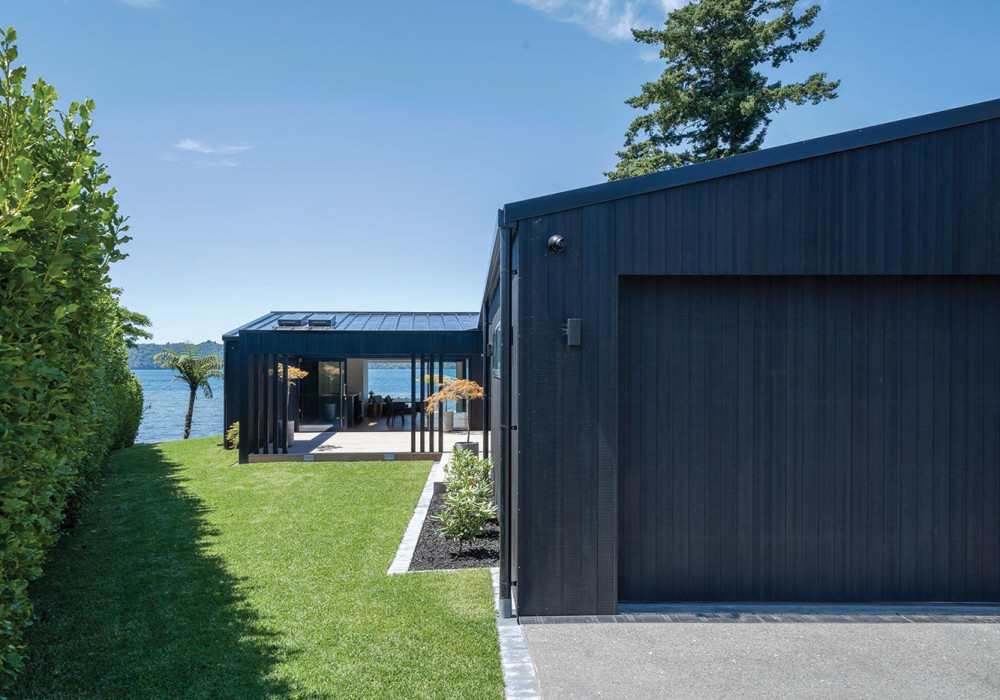


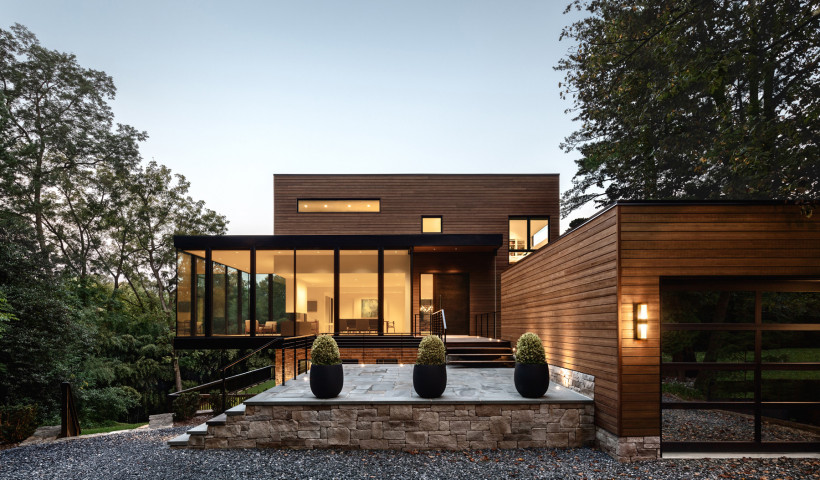
Proper cladding design is essential in High Wind Zones to ensure a weathertight façade.
According to NZS3604 – Timber Framed Buildings, Table 5.4 classifies wind zones as follows:
- L (Low) – 32 m/s
- M (Medium) – 37 m/s
- H (High) – 44 m/s
- VH (Very High) – 50 m/s
- EH (Extra High) – 55 m/s
For wind speeds exceeding 55 m/s, a specific design approach is required.
Wind zone classification affects the building envelope’s risk level under Clause E2 of the NZ Building Code (NZBC). Therefore, detailing cladding systems appropriate to the wind zone is crucial.
Key considerations for Extra High Wind Zones
Rigid underlays
Under E2/AS1, Extra High Wind Zones require a rigid underlay in combination with a cavity cladding system. These rigid underlays (or rigid air barriers) may include:
- 7mm plywood
- 6mm fibre cement overlaid with flexible underlay
- Proprietary systems such as OSB (OSbrace) or pre-coated plywood (Ecoply Barrier)
Rigid underlays improve weathertightness, shield linings from air pressure loading, and allow earlier enclosure of the building.
Flashings
In Extra High Wind Zones, flashings must:
- Include hooks and hems
- Have upstand dimensions increased by 25mm over those in Table 7 (or as otherwise specified)
- Contain sealant between the underside of the head flashing and the top edge of the window head flange
Cladding suitability
Abodo's Vulcan Cladding is suitable for Extra High Wind Zones when these detailing requirements are met.
For projects exceeding Extra High wind zones — up to a wind pressure of 2.5kPa — please contact Abodo for specific fixing guidance.
Abodo® and Vulcan® are registered trademarks of Abodo Wood Ltd
 Popular Products from Abodo
 Most Popular
 Popular Blog Posts