 VANTAGE Windows & Doors
 Roofing Industries
 ALTHERM Window Systems
 Dimond Roofing
 Juralco Aluminium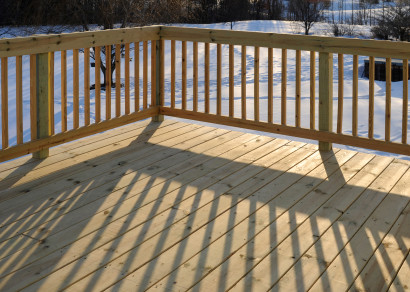
 SPAX
SPAX


 Prolam
 Case Studies
 PGH Bricks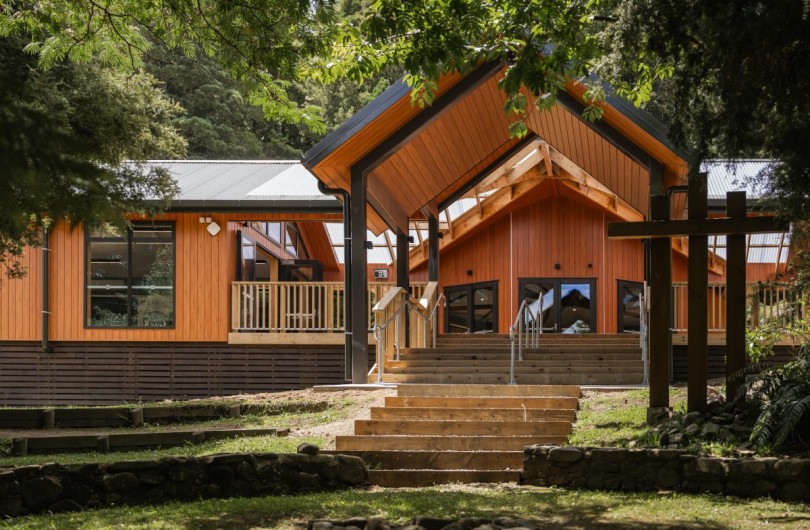
 Metwood





 Abodo
Abodo

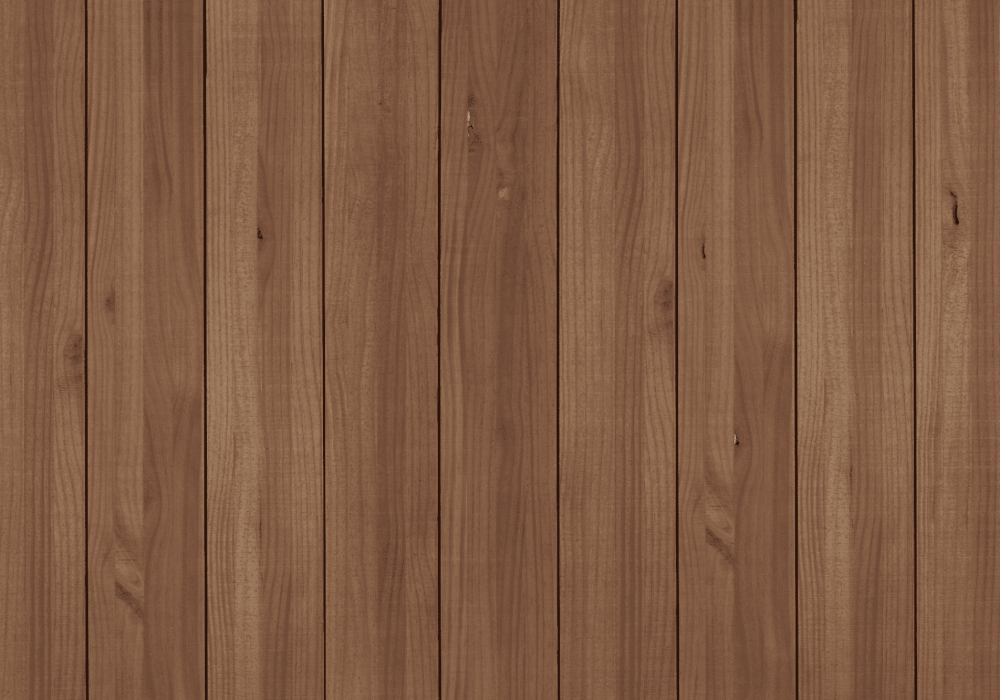


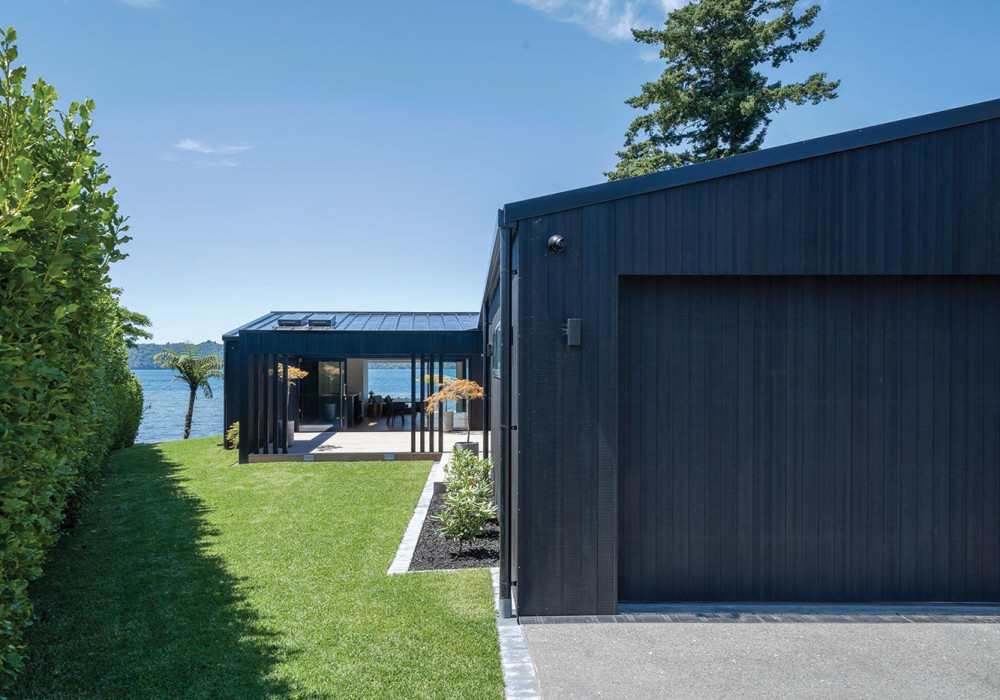
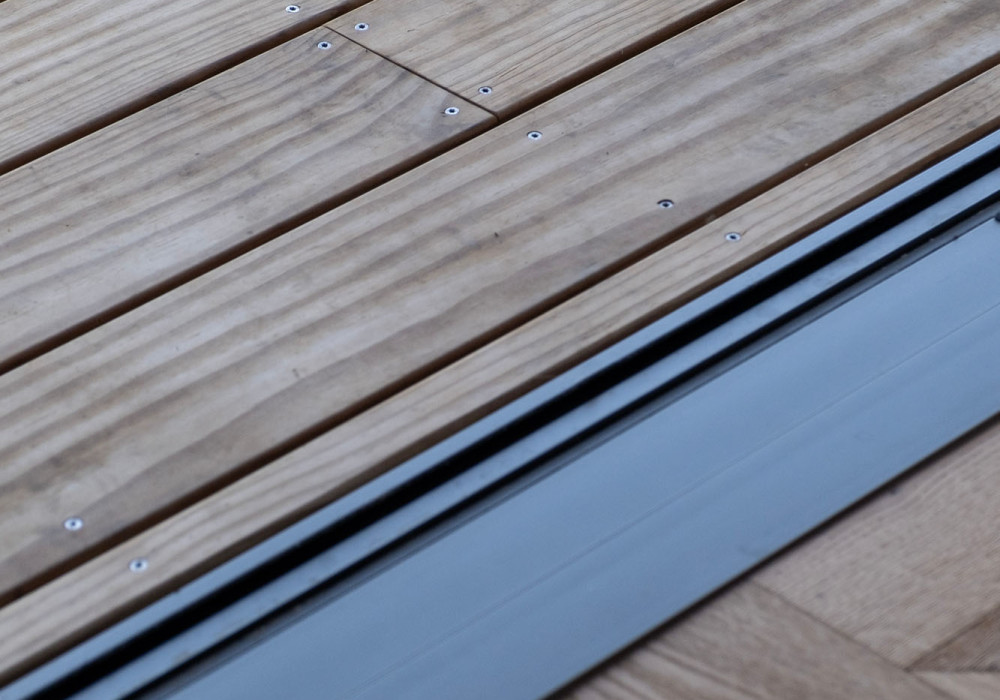
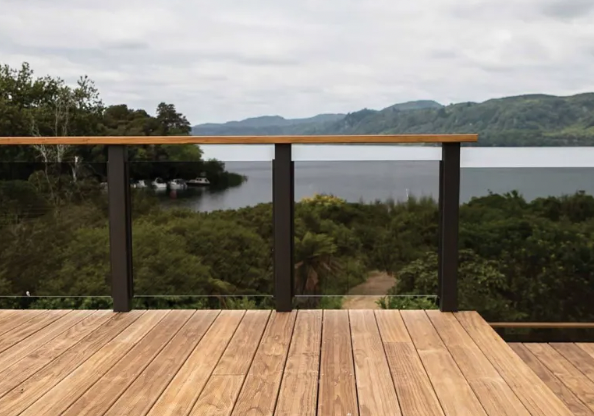

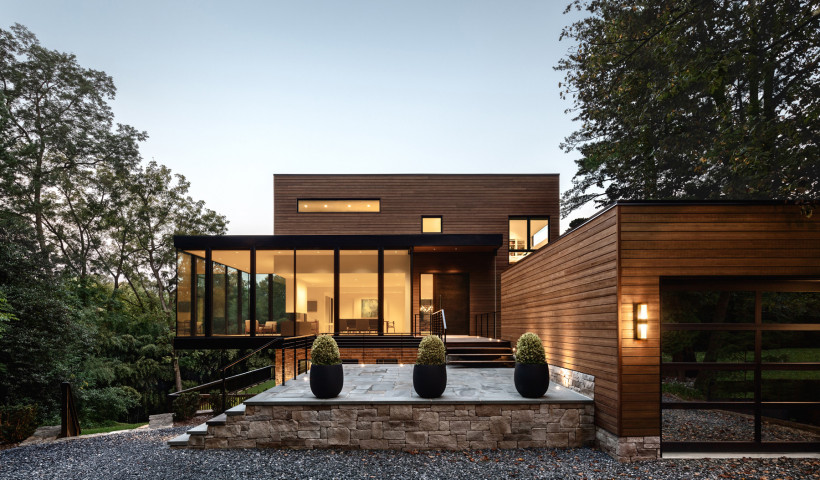
With a project that still works beautifully in 5, 10, or 20+ years being the proof of good design and craftsmanship, choosing high performance feature timbers is essential. Abodo put their timbers and others through 7 years of independent durability testing, and the results are clear: Abodo New Growth feature timbers are a genuine alternative to old growth and chemically treated timbers.
How did the trial work?
The long-term durability trial placed samples of Abodo’s rapidly renewable Vulcan heat tempered (thermally modified) Radiata pine cladding and decking, alongside several other timber samples, on above-ground angled racks and horizontal decks.
The timbers tested included:
- Untreated Radiata pine
- Treated Radiata pine
- Abodo thermally modified 230°C Radiata pine
- Western red cedar
- Eucalyptus grandis
Samples were placed in contact with untreated wood and left in place through all weathers for 91+ months, creating a real-world simulation of accelerated decay conditions.
During and after the trial, assessments were carried out by independent wood protection consultant Jeanette Drysdale. She analysed the performance of the timbers using a decay rating scale of 0-10, where 0 signalled complete degradation and 10 showed complete decay resistance.
Key findings from the angled rack
From all the samples, Abodo Vulcan timber showed the most consistent results across the seven-year period, with an average rating of 9.5 reported at the end of the trial. By comparison, Western red cedar showed a significant drop after 4.5 years with a final decay rating of just 4.2.
In a nutshell, this shows Abodo Vulcan performs twice as well as Western red cedar. See the graph in the image carousel for angled rack trial results.
Abodo Vulcan also stayed in a better physical condition than the other samples, including the treated Radiata pine, remaining both straight and consistent in appearance. This was a particular contrast to the Western red cedar, which showed ridging, cupping, and fungal degradation. While the Eucalyptus did not decay significantly, white streaks were observed on the surface — a potential sign of white rot — and there was also decay where it had been in contact with the support frame.
The results are clear: Abodo New Growth timbers are a genuine alternative
The data proves that Abodo thermal modification enhances and stabilises timber without the need for chemical treatments, aligning with Abodo’s vision for creating sustainable, renewable and non-toxic alternatives to old growth and chemically treated timbers.
Trusted timber results over time
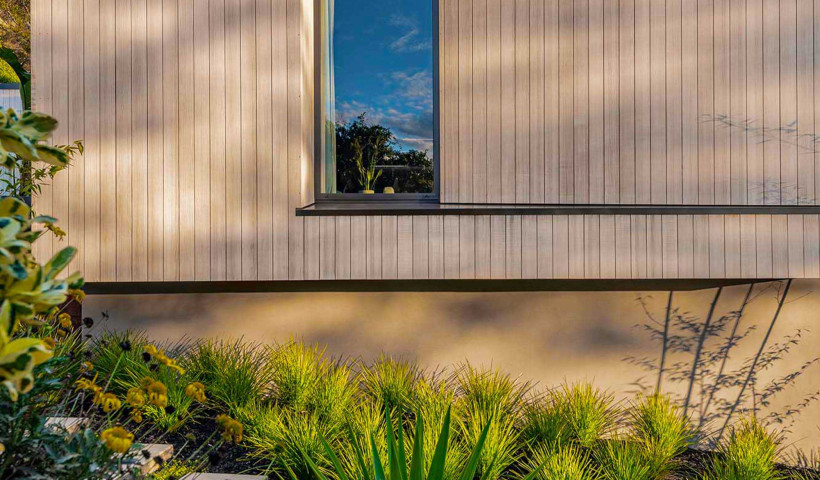
An architect’s work speaks volumes long after the build is finished. With a well chosen cladding that stays consistent to the original vision, designers can be sure that the right words are being spoken for decades to come.
 Popular Products from Abodo
 Most Popular
 Popular Blog Posts