 VANTAGE Windows & Doors
 Roofing Industries
 Blum
 Symonite
 Dimond Roofing
 ALTHERM Window Systems



 Nuralite

 GreenStuf
 MiTek New Zealand Limited





 EBOSS

Issue 13 of The Pulse, our quarterly read on future demand for residential and commercial construction with BRANZ, CreditWorks, Forsyth Barr and MCert, is out now. Read alongside our recent Architect Sentiment Report 2026, it tells the story of a recovery that starts where it always does: on your desks. Here's what I'd take from it.
1. The recovery is showing up on your desks first
New dwelling consents reached 41,091 in the 12 months to September, up 17.8% on the year before. This has been felt by specifiers; net sentiment on new project starts swung from -21 in 2025 to +8, average practice capacity rose from 74% to 78%, and a third of practices are now at full capacity.
Builders haven't caught up yet. Completions fell 9% to around 35,200 in the year to September, and residential construction edged up just 0.4% in the June quarter, its first rise in four years. Concrete volumes (+7.2%) and merchant sales suggest work is starting to move on site, and BRANZ forecasts completions climbing to around 41,300 in the year to June 2029. What you're drawing today is what builders will be pricing in 2027.
2. The homes are getting smaller
The average new dwelling has shrunk from 148m² to 138m² in four years. Data for the 12 months to September shows where the volume is: standalone houses up 20%, townhouses up 18% and retirement units up 44%, while apartments fell 11%.
The Architect Sentiment Report says the same thing from the practice side. Multi-storey apartments dropped five points as a share of practice work, and renovations, alterations and smaller projects topped the list of how practices have changed their mix.
Fewer square metres puts more weight on every one of them. Layout efficiency, storage, acoustics between attached units and products that do more than one job all matter more when there's less room to play with.
3. Where you are, and how big you are, matters more than ever
Canterbury consents are up 31.7% year to date. Canterbury specifiers reported net +30 on new project starts and the most positive outlook in the country (+37), while Otago/Southland practices are running at 87% capacity.
Wellington is an outlier. Yes, consents there are up 14.6% year to date, but it must be noted that this is from a very low base. Wellington specifier sentiment says it all: net -24 on new starts, and they are the only region with a negative outlook (-3). Some of that gap is timing, as our sentiment survey ran in July, but it's worth watching whether that consent growth reaches Wellington drawing boards.
Practice size splits the market too. Practices with more than 50 staff average 11.5 months of forward work and net +31 on new starts. Sole practitioners average 4.0 months and sit at -13.
4. The brief is now the budget
Busier doesn't mean easier. Construction costs are up 3.2%, as the Gulf crisis pushes oil prices into fuel, freight and petroleum-based materials. The OCR is back at 2.75% with a December rise expected, mortgage servicing sits around 35% of household income against a long-run 34%, and winding-up applications are up 18%.
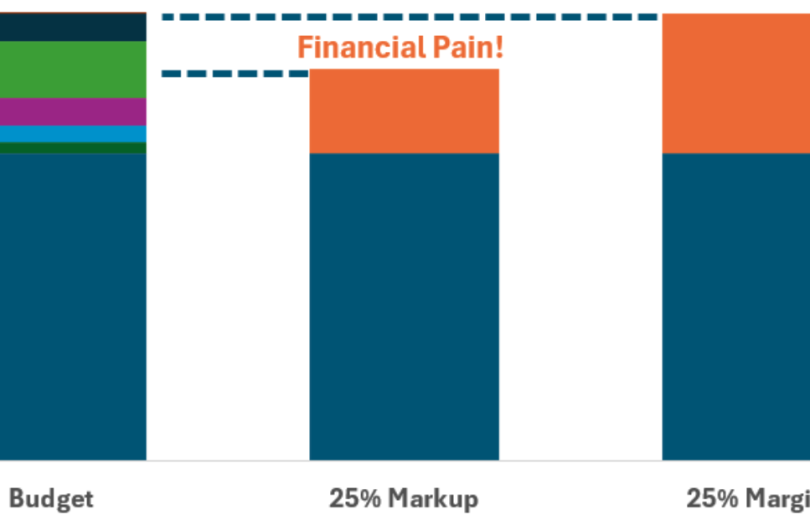
Specifiers are feeling this pressure. In the Architect Sentiment Report, 58% say maintaining margin is harder than a year ago and 62% say building to a budget is harder. Non-residential tells a similar story: consent value is down 3% but floor area is up 7%, so more space is being consented for fewer dollars.
Value engineering is no longer a late-stage exercise. More and more, it is the brief.
What I'd watch next
Capacity may be the next pinch. Practices cut their workforce by 17% between 2024 and 2025 and a further 6% this year. Yet 36% of large practices say they lack the staff for expected demand, and half of them plan to hire in the next 12 months.
If BRANZ is right and consents reach around 44,000 in 2027, the question shifts from "where's the work?" to "who's going to draw it?"
The full Issue 13 has the charts, regional breakdowns and forecasts behind all of this, and I'd encourage you to take a look.

 Most Popular
 Popular Products