
 VANTAGE Windows & Doors
 Roofing Industries
 ALTHERM Window Systems
 Dimond Roofing
 Juralco Aluminium
 dormakaba



 Prolam
 Case Studies
 PGH Bricks
 Metwood







 PDL by Schneider Electric



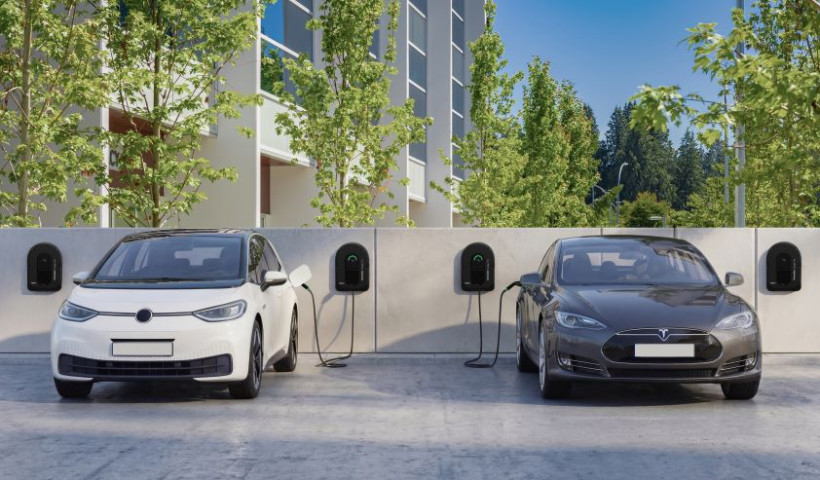
Electric car sales are on the rise thanks to their better long-term environmental credentials and cheaper running and maintenance costs compared with fossil fuel vehicles. And while the public EV charging network is growing, at-home smart EV chargers add even more convenience and peace of mind to EV ownership too.
In just a few years, it’s predicted that EVs will be cheaper to buy than their fossil fuel counterparts. By 2030, EV prices are expected to be about 80% of the price of petrol vehicles. Improvements in technology around at-home smart EV chargers makes charging more convenient, less expensive and often less stressful than trying to find a public charger.
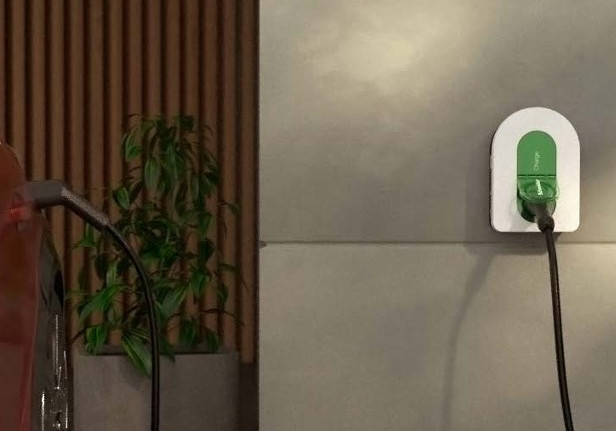
Home charger installation is increasingly common and an at-home EV smart charger like Schneider Charge also helps to optimise charging and reduces reliance on domestic socket outlets. Weatherproof and robust, the Schneider Charge can be installed outside or in a garage and lets the user charge an electric vehicle faster, more reliably and with greater safety than with a domestic socket outlet.
Schneider Charge is designed to be unobtrusive in a home with an elegant aesthetic, robust construction and clever EV charging cable storage to save space. Being able to control the charger manually or via the app, ensures the EV is charging on the owner’s schedule and always ready to go when they are.
Standards New Zealand has battery charging guidelines for EV users, which encourage the use of smart EV chargers. The government’s Supercharging EV Infrastructure work programme also includes enabling standards to make it easier for consumers to charge their EVs at home away from network ‘peaks’.
‘Range anxiety’ is fast becoming a thing of the past thanks to improvements in EVs and development in charging infrastructure. There are now public chargers every 75km on most state highways in New Zealand and the government is committed to its target of 10,000 public EV chargers by 2030. Many new EVs now have over 500km of range, and the average car in New Zealand drives 11,000km a year, or just over 200km a week.
EV drivers also can meet day-to-day driving needs by charging overnight at home using cheaper off-peak rates, or using rooftop solar, which is the cheapest fuel. PEV (Plug-In Electric) batteries typically last the life of the car, and their performance is improving. Most new EVs have battery warranties of around 8-10 years, or distances such as 160,000km, which is similar to 15 years of average driving.

 Popular Products from PDL by Schneider Electric

 Most Popular

 Popular Blog Posts