 VANTAGE Windows & Doors
 Roofing Industries
 ALTHERM Window Systems
 Dimond Roofing

 Juralco Aluminium
 SPAX


 Nuralite
 Case Studies
 GreenStuf
 MiTek New Zealand Limited





 Nu-Wall Cladding
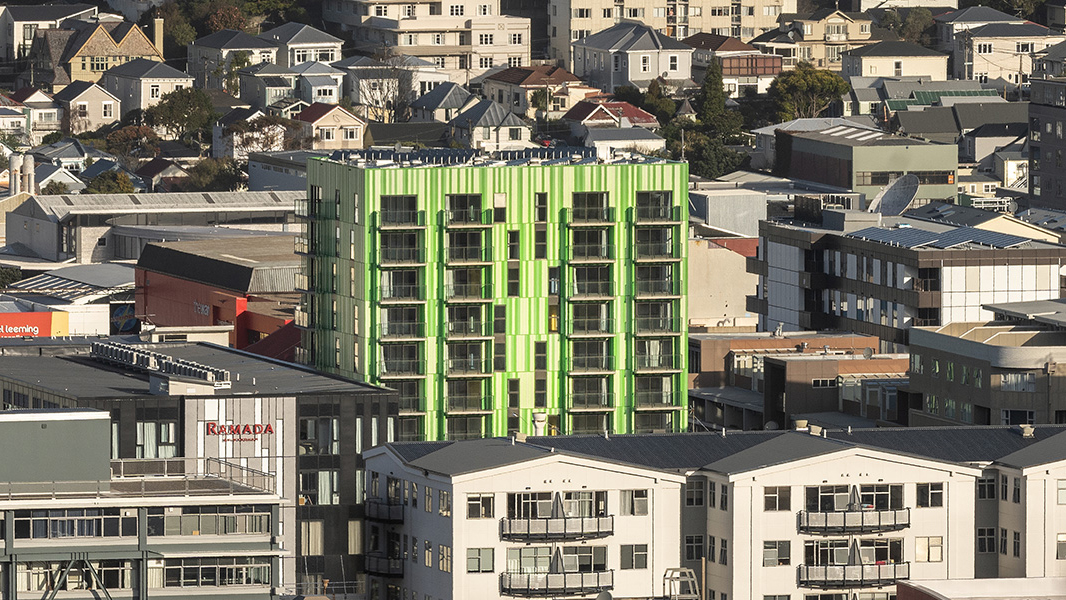
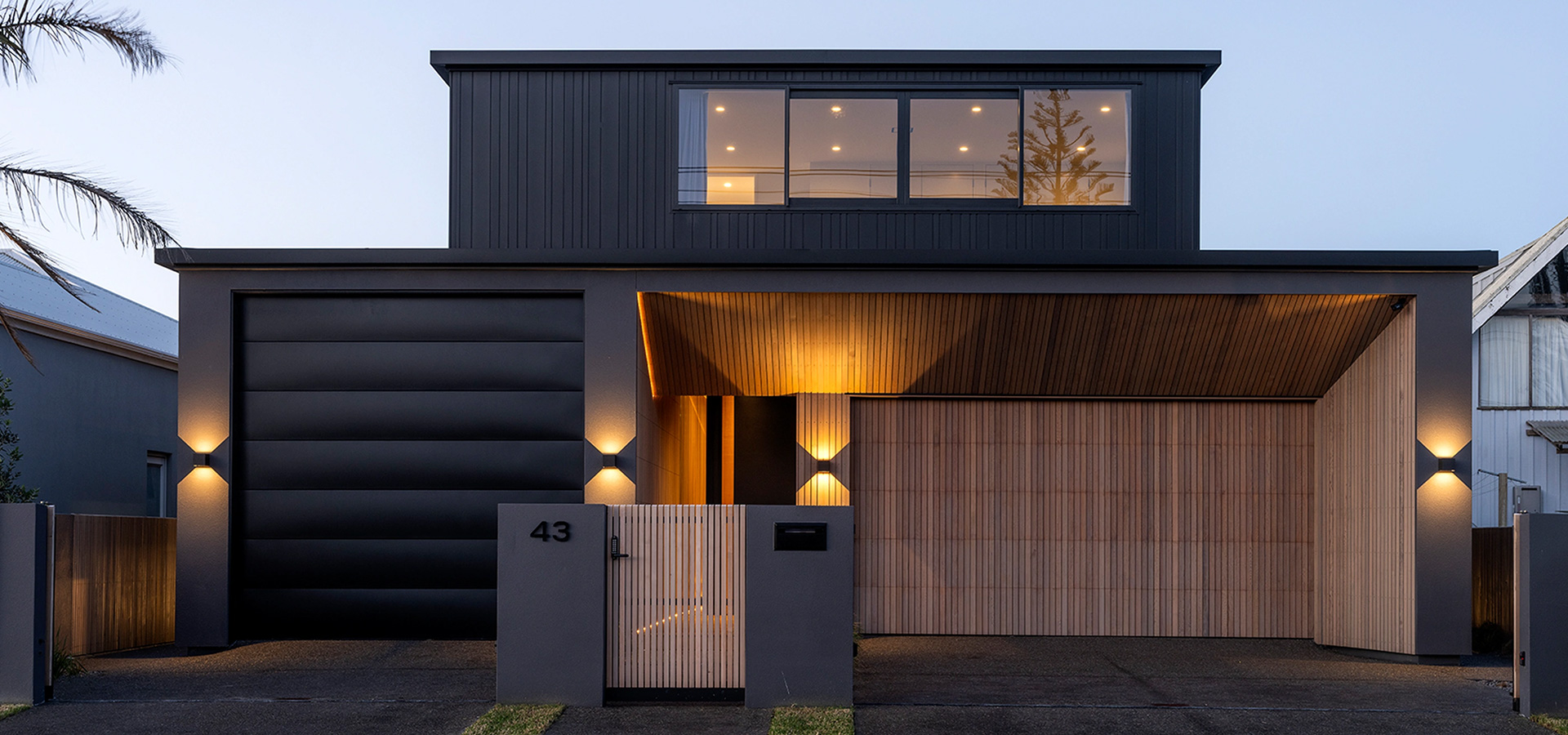
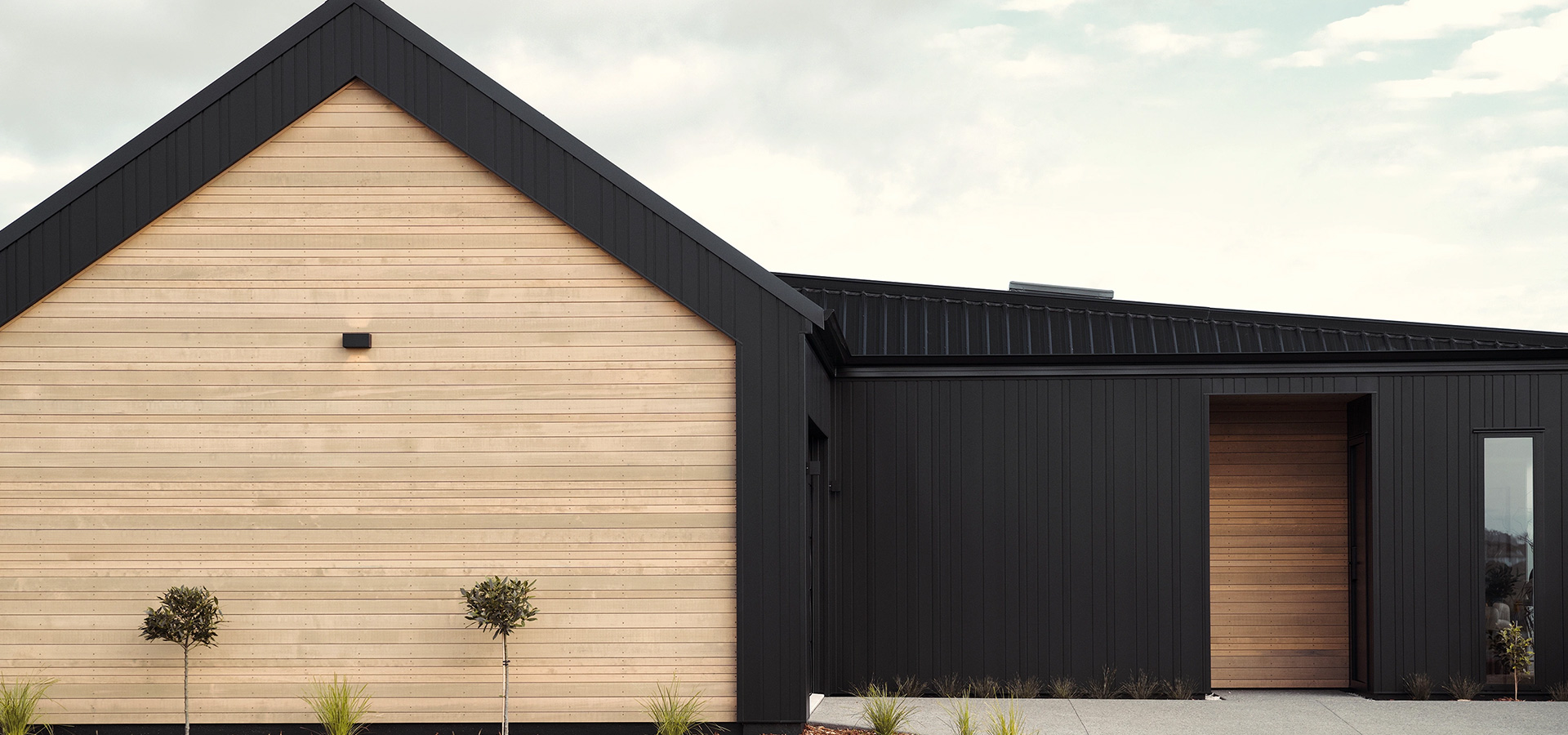


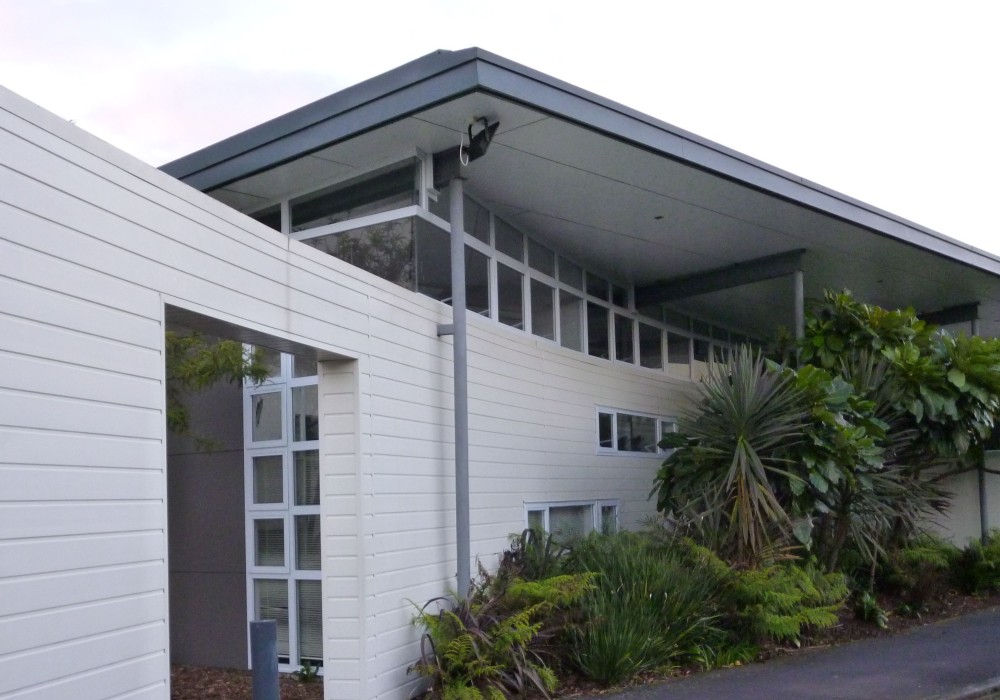

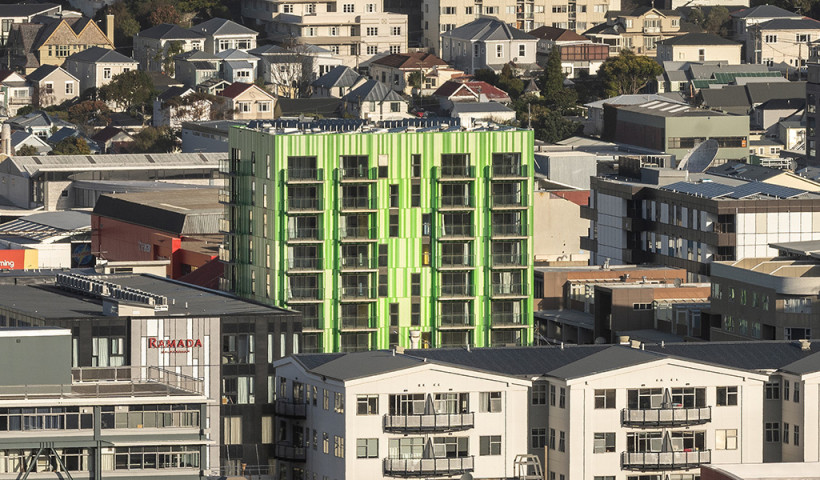
Repetition gives a façade order. Variation gives it rhythm.
At the scale of an elevation, the width and spacing of cladding profiles can fundamentally change how a building is read. A consistent module creates clarity and repetition. Introduce variation, and that rhythm begins to shift, creating movement, changing proportion and breaking down the scale of the surface.
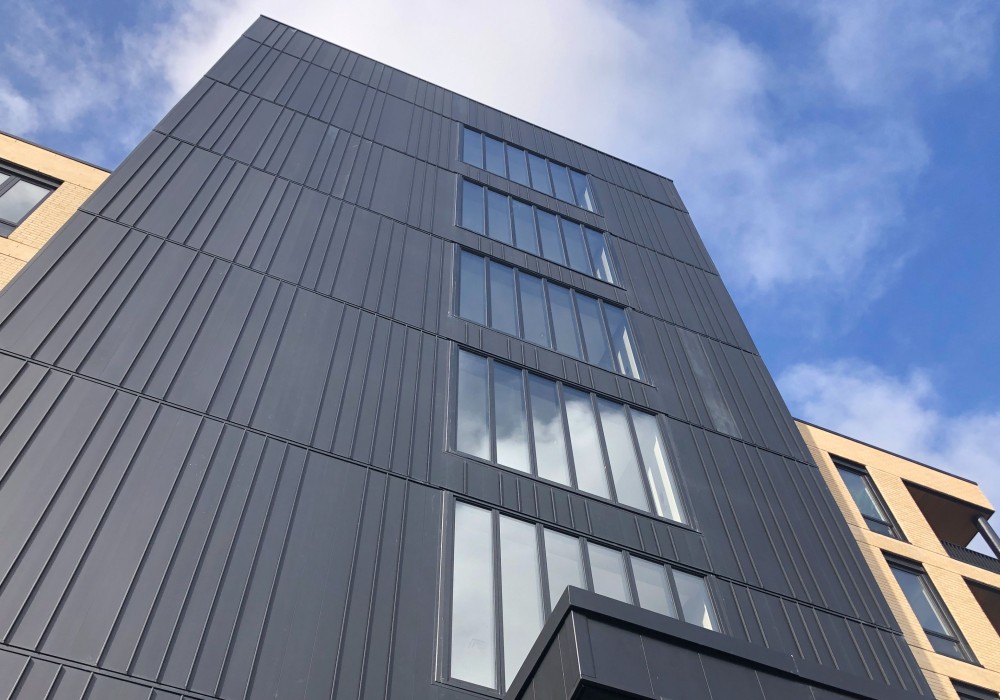
Nu Wall’s Random Series deliberately combines profiles of differing widths in an irregular sequence. The result sits somewhere between order and unpredictability: varied enough to feel natural, but structured enough to retain the precision of an aluminium cladding system.
Random, but never arbitrary
A successful random composition is not simply a collection of different widths.
Narrower profiles create a finer frequency of lines across the façade. Wider profiles introduce space and visual pause. The relationship between the two allows the elevation to move between moments of greater intensity and relative calm.
On larger façades, this can be particularly effective. Instead of allowing a repeated module to dominate the elevation, variation helps break down its scale and create visual movement without introducing another material or decorative layer.
The irregularity is deliberate. Alignment remains controlled, the profiles continue to work within the same cladding system, and the architecture retains an underlying sense of order.
One idea, three expressions
Nu Wall explores this principle through three distinct profile families: Mono Random, E Random and SS Random.
Mono Random uses changes in board width to create a restrained composition across a relatively planar surface, allowing proportion and joint placement to establish the rhythm.
E Random introduces the negative detail of the E Series. As board widths change, so too does the placement of the shadow line, creating a more articulated pattern of light, line and depth.
SS Random brings the stronger linear expression of the Standing Seam Series into the composition, with varied widths shifting the position and frequency of the seams across the elevation.
The principle is shared, but each creates a distinctly different architectural language.
Amplifying the rhythm with colour
The randomisation of profile widths can be taken further through colour.
Introducing multiple colours across the elevation adds another layer of variation, amplifying the rhythm created by changing widths with shifts in tone, contrast and repetition. A restrained palette can create subtle tonal movement, while stronger contrasts can turn the façade into a more expressive composition.
Frederick Street Social Housing (Te Kī a Alasdair) by Archaus is a strong example. E Random is combined with a varied palette of greens and darker tones, using both profile and colour to create rhythm across the façade and give the development a distinctive architectural identity.
Colour does not change the underlying discipline of the system. It gives architects another way to amplify it — allowing width, line and colour to work together across the scale of the building.
Designing at the scale of the building
Random compositions encourage profile selection to move beyond the scale of the individual board.
The question becomes how those widths work together across an entire elevation, how the pattern responds to openings and changes in form, and how it is experienced from different distances.
Orientation changes the expression again. Vertically, varied widths can reinforce height and create a shifting cadence across the building. Horizontally, they can emphasise length and establish layers of changing proportion.
As daylight moves across the façade, joints, negative details and standing seams transition between highlight and shadow. Add colour and finish, and the same composition can move from quiet and restrained to considerably more expressive.
This ability to work with line, proportion, depth, orientation, colour and finish gives architects considerable freedom from a relatively simple idea: variation within a disciplined system.
Nu Wall’s Random Series brings that idea to the scale of the façade, using controlled variation to create architecture that feels ordered without feeling repetitive.
Architect: Archaus
Photographer: Andy Spain

 Popular Products from Nu-Wall Cladding


 Most Popular
 Popular Blog Posts