 VANTAGE Windows & Doors
 Roofing Industries
 ALTHERM Window Systems
 Dimond Roofing
 Juralco Aluminium
 SPAX
SPAX



 Prolam
 Case Studies
 PGH Bricks
 Metwood






 Jacobsen







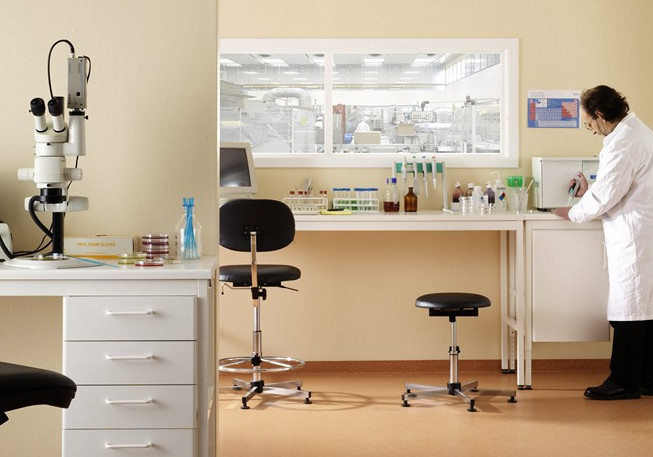


The COVID-19 crisis was a powerful reminder of how vital infection prevention and control (IPC) is in healthcare and aged-care settings, where effective cleaning and hygiene protocols play a key role in reducing healthcare-associated infections (HAIs). Many HAIs are preventable, causing unnecessary suffering for patients and whānau, while placing huge financial and operational strain on the healthcare system. At the same time, antimicrobial resistance (AMR) is escalating into one of the world’s most serious public health threats, with treatment-resistant infections directly responsible for 1.27 million deaths in 2019 and predicted by WHO to reach 10 million annually by 2050. AMR affects every region and income level, undermining modern medicine by making common infections harder to treat and increasing the risks of routine procedures like surgery, childbirth and cancer treatment.
Challenges
The main driver in the development of AMR pathogens is the overuse of antimicrobials in humans, animals and plants. The COVID-19 pandemic led to an overuse of disinfectants and a heightened demand for antimicrobial materials and while counterintuitive, this has been shown to increase the risk of antimicrobial resistance and poses a serious public health risk.
According to ACC, HAIs are the most common complication affecting New Zealand patients and are increasing in number³, with a rate of approximately 7.7 infections per 100 patients (2021)⁴ and an estimated annual cost of $226 million in 2021⁵.
It's therefore no surprise that a top priority for all healthcare environments are solutions that help prevent healthcare-associated infections (HAIs) and avoid the increase of antimicrobial resistance (AMR). Managing both is a constant challenge for healthcare facilities.
Selecting the right flooring for healthcare
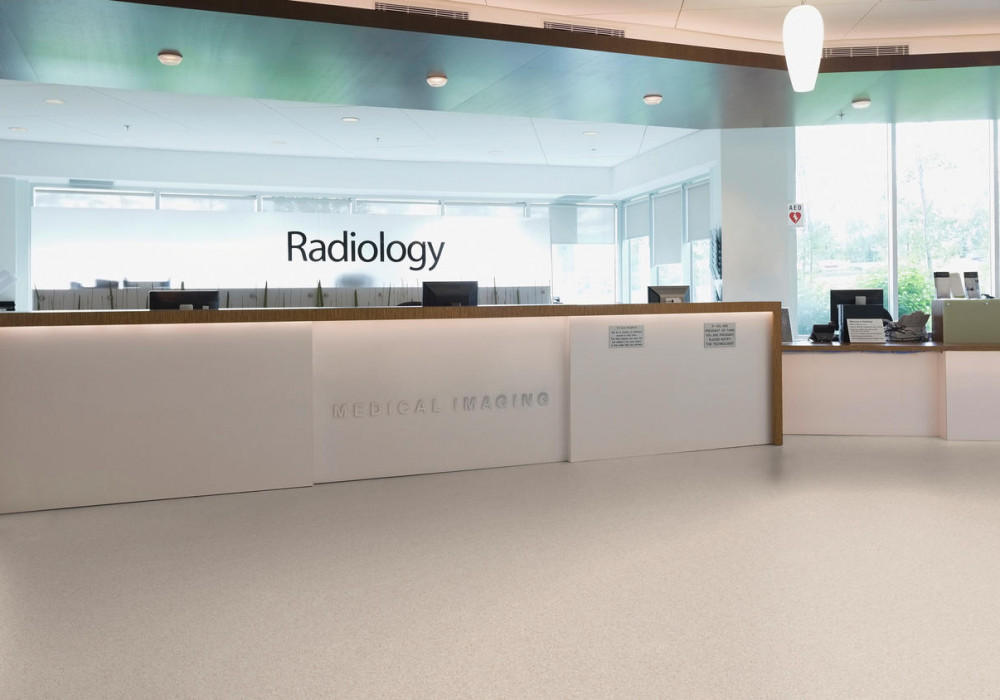
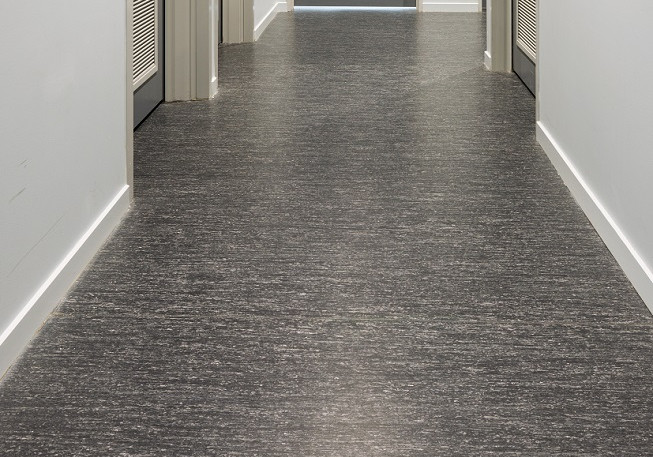
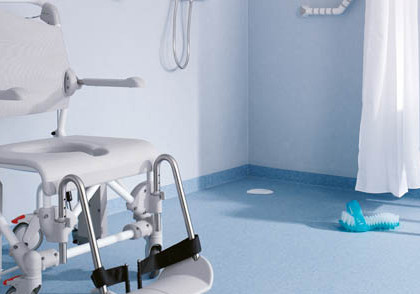
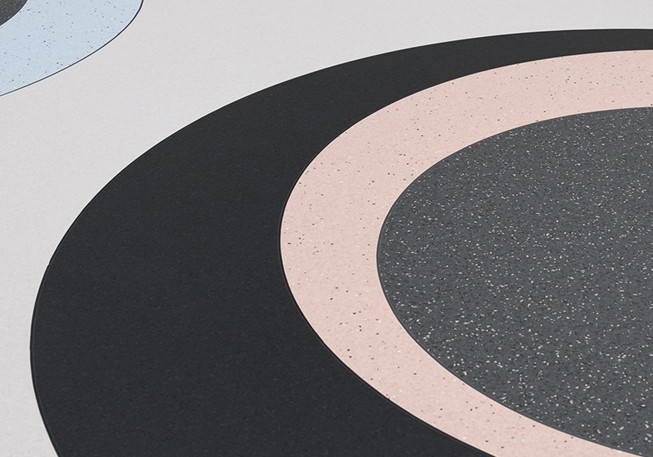
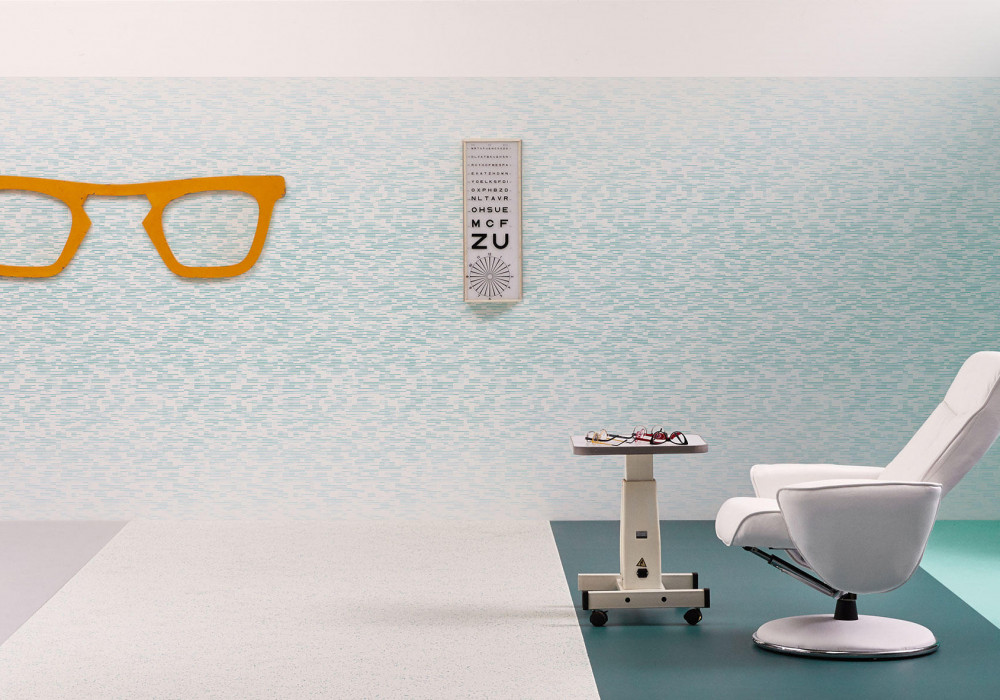
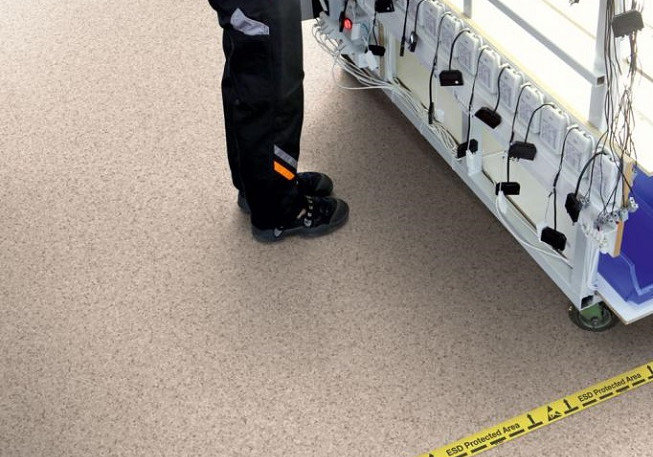
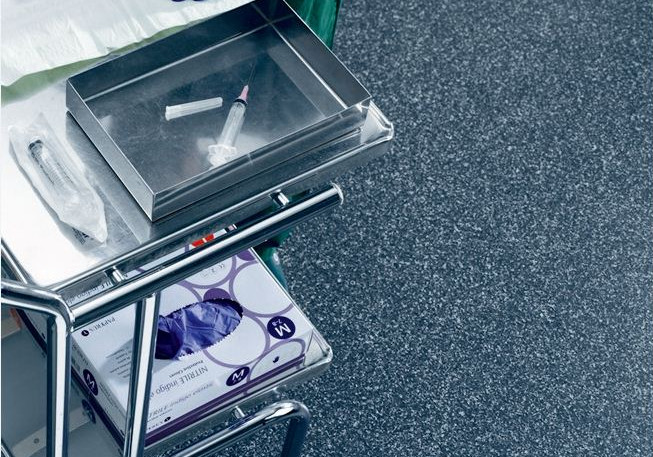
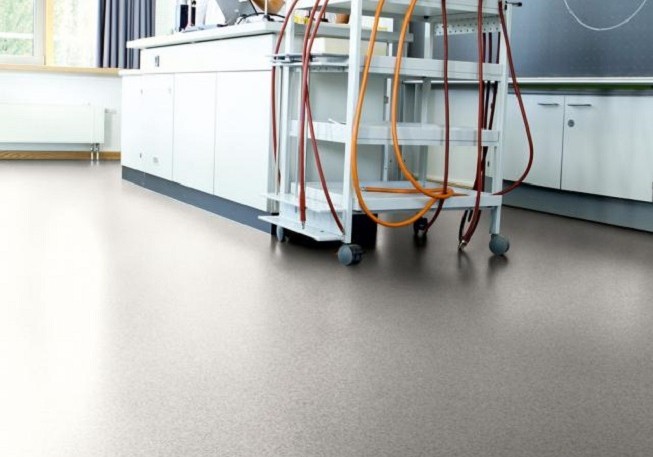
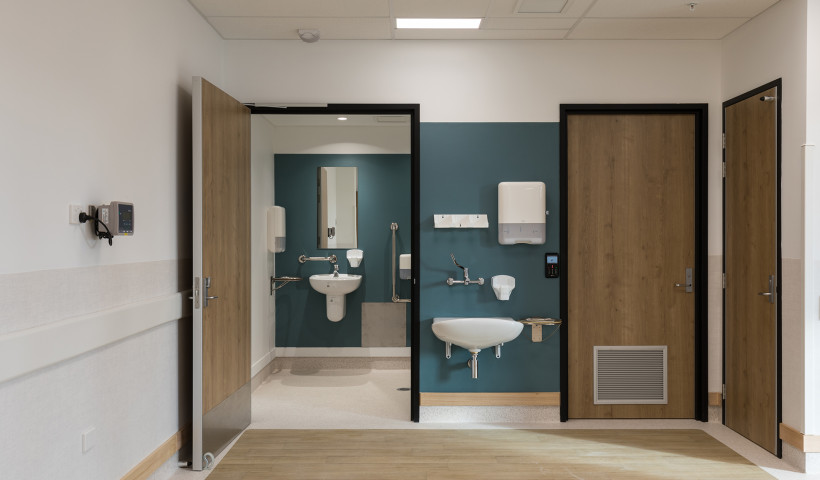
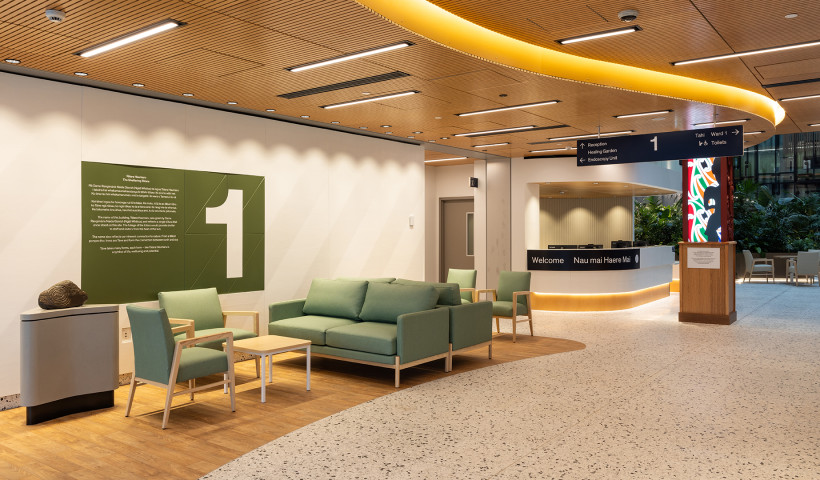
Floor and wall coverings that support good infection control strategies are crucial to the success of all healthcare facilities. Floor and wall coverings must be resistant to chemicals and detergents to ensure they look like new even after years of use. Clinical spaces must be easy to clean and disinfect and impervious to fluids. Smooth flooring that is suitable for coving and forms perfectly sealed joins between wall and floor will help prevent bacteria and dirt build-up for healthier indoor air quality.
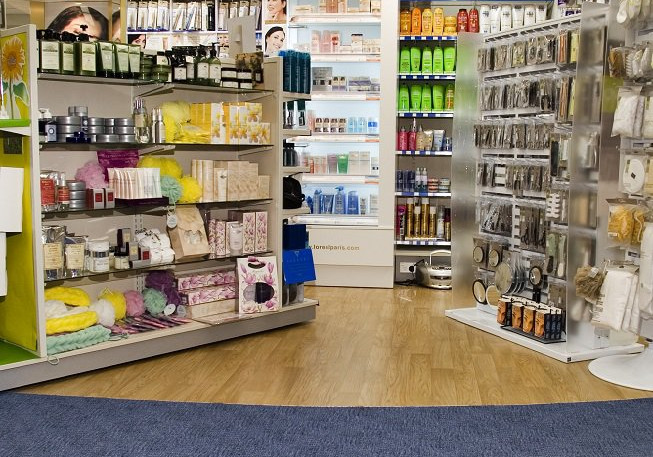
Choosing the right surfaces in healthcare is critical. The first requirement for good healthcare hygiene is that all surfaces, items and equipment are cleanable. Floor and wall coverings in low-risk areas such as entrances, offices and service areas will have less of an impact on IPC but in clinical areas they should be carefully selected for easy cleaning.
Clinical area floor and wall requirements:
- Cleanable materials
- Smooth and non-porous surface
- Minimal joints to prevent dirt build-up, which favours the growth of micro-organisms
- Watertight installation with perfect coving and hot-welded joints for greater durability
- Durable and resistant to repeated use of disinfectants such as quaternary ammonium, alcohol, bleach and hydrogen peroxide
- Easy-to-repair material. In case of damage, fix it on the spot and reseal without changing the whole floor
For area and use-case-specific advice on selecting appropriate floor and wall solutions, refer to Jacobsen's Healthcare Flooring Guide.
Cleaning and maintenance considerations
Selecting products that are easy to clean and maintain and that require minimal chemical usage helps to support healthy indoor environments. The overuse of disinfectants and antibiotics is suspected of encouraging the development of antimicrobial resistance and therefore posing a risk to human health.
Biocides can be a controversial and challenging topic. Viruses are different from bacteria and just as with antibiotics, antibacterial products are ineffective in their use against viruses. On the contrary, the efficacy of biocides has yet to be proven and the overuse or misuse of antibacterial agents can encourage and increase the risk of antimicrobial resistance. While there is a range of antimicrobial-impregnated products (e.g., surface coatings, paints, and curtains) available, there is currently no definitive data that supports their efficacy against HAIs. Furthermore, standards, such as ISO 22196, that are often used to explain their use and role are inappropriate for testing antimicrobial surfaces.
With biocides having been identified as a major risk to human health and the environment, Jacobsen is proud to bring you their premium ranges of healthcare flooring and wall solutions from their world-class supplier, Tarkett. Tarkett’s commitment to removing antimicrobial treatments from their flooring goes back to 2013. With concerns over the adverse human and environmental health effects of cleaning and disinfectant products, Tarkett has begun to develop a ‘green’ cleaning methodology. They actively promote the importance of appropriate cleaning methods and recommend the use of disinfectants only when and where necessary, encouraging alternative solutions that are less reliant on chemicals and disinfectants, such as microfibre cloths and steam cleaning.
Effective IPC cleaning and maintenance
According to the CDC (Centre for Disease Control and Prevention), approximately 80% of infectious diseases are transmitted by unclean hands touching contaminated surfaces6. Keeping hands and touch surfaces clean is the most critical factor in infection transmission control, meaning that good hand hygiene and environmental cleaning procedures are vital. Both are standard precautions for infection control. Once the proper surfaces have been installed, it is important to document and implement the right cleaning protocols.
Never forget that the basis of a good protocol is to properly clean all surfaces:
- Dry mopping to remove dust and debris
- Wet mopping with a detergent to clean
- Disinfect after cleaning only when needed
Floors are low-touch surfaces and rarely do they come into contact with the hands of patients, residents or healthcare providers. Because of this, disinfectant is not usually required and a thorough clean often suffices.
In clinical areas and other high-risk areas or when outbreaks occur, disinfection — after an effective clean — is necessary. However, it is pointless to disinfect without first properly cleaning since most disinfectants lose their effectiveness rapidly in the presence of organic matter.
“When it comes to flooring, what matters most is keeping it clean and free from soiling and dirt. Disinfection should be restricted to high-risk areas. There is no benefit to using disinfectants in other zones where they often simply soil the flooring.” — Christine Huddlestone, Senior Health Manager, responsible for cleaning, microbiology technician for 20 years, Douai Hospital, France
References:
1. UNEP on Antimicrobial Resistance Global Threat
2. WHO Fact Sheet on Antimicrobial Resistance
3. ACC Guiding Principles on Healthcare-Associated Infections
4. HAI rate was 7.7 infections per 100 patients. NZ stat
5. Infection Prevention and Control
6. CDC Research
For effective cleaning protocols, maintenance advice or installation support, reach out to your Jacobsen representative or our customer service team.
Visit the comprehensive Healthcare Section on the Jacobsen website for more information and to download the comprehensive 'Designing for Healthcare' guide.

 Popular Products from Jacobsen

 Most Popular
 Popular Blog Posts