 VANTAGE Windows & Doors
 Roofing Industries
 ALTHERM Window Systems
 Dimond Roofing
 Juralco Aluminium
 SPAX
SPAX



 Prolam
 Case Studies
 PGH Bricks
 Metwood







 Bradford Insulation
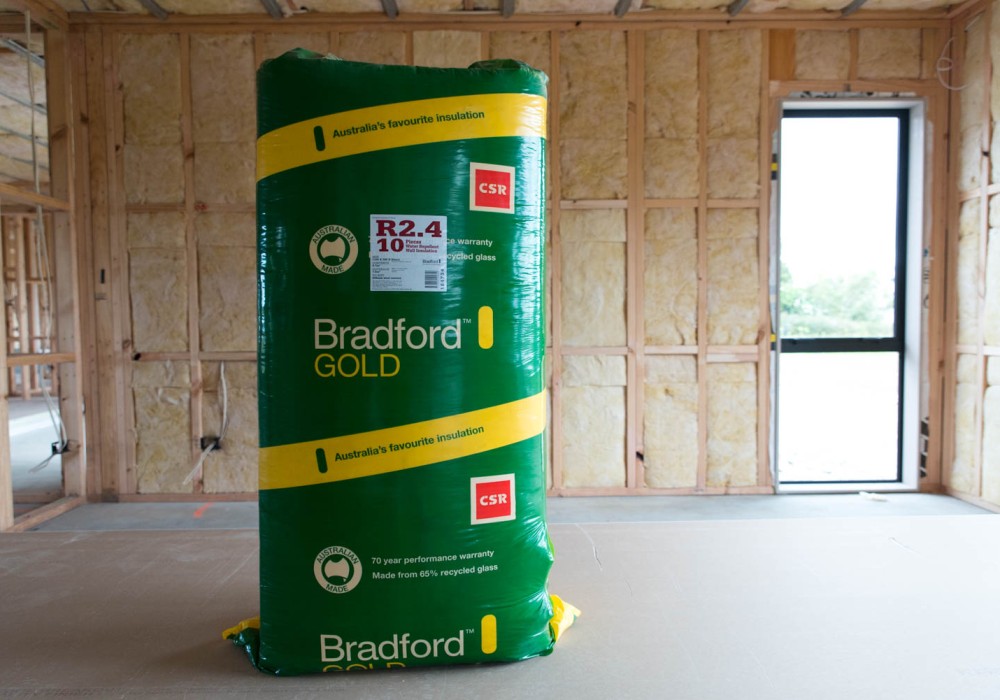



As New Zealand homes become increasingly airtight, achieving total home comfort now depends on how well insulation, ventilation and moisture management work together. At the same time, recent changes to Clause H1 of the New Zealand Building Code are reshaping how architects and designers approach energy efficiency, shifting the focus from prescriptive solutions to whole-of-house performance.
CSR Building Products (NZ) Ltd, through its Bradford insulation solutions, supports designers and builders in creating homes that are not only thermally efficient, but also healthier and more resilient. In high-performance housing, insulation provides the foundation for comfort, but its effectiveness is closely linked to appropriate ventilation strategies that manage moisture and maintain indoor air quality.
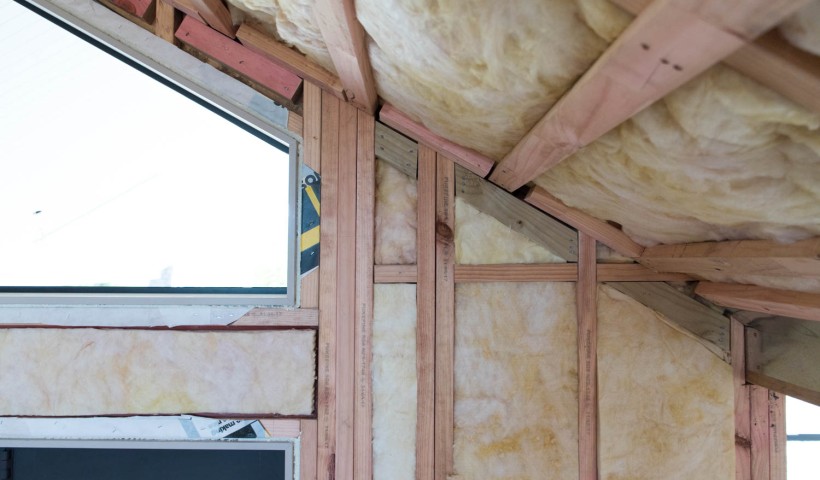
Modern airtight construction reduces uncontrolled heat loss, but it also limits natural air leakage. Without deliberate ventilation, moisture from everyday activities such as cooking, showering and breathing can accumulate, increasing the risk of condensation, mould growth and poor indoor air quality. When insulation is correctly specified and installed, internal surface temperatures remain more stable, reducing condensation risk and enabling mechanical or passive ventilation systems to remove moisture more effectively.
These considerations align closely with the upcoming removal of the Schedule Method from H1/AS1. Soon, designers will rely more heavily on performance-based compliance pathways such as the Calculation Method, which assesses the aggregated thermal performance of the building envelope rather than fixed R-values for individual elements. This approach better reflects real-world building behaviour, local climate conditions and whole-of-house energy demand.
Under the Calculation Method, insulation, glazing, ventilation pathways and thermal bridging must be considered as interconnected systems. This encourages earlier collaboration between architects, energy assessors and product suppliers, and allows insulation to be distributed more strategically to achieve compliance without over-specification. The result is greater design flexibility, more predictable energy performance and improved outcomes for occupant health and comfort.
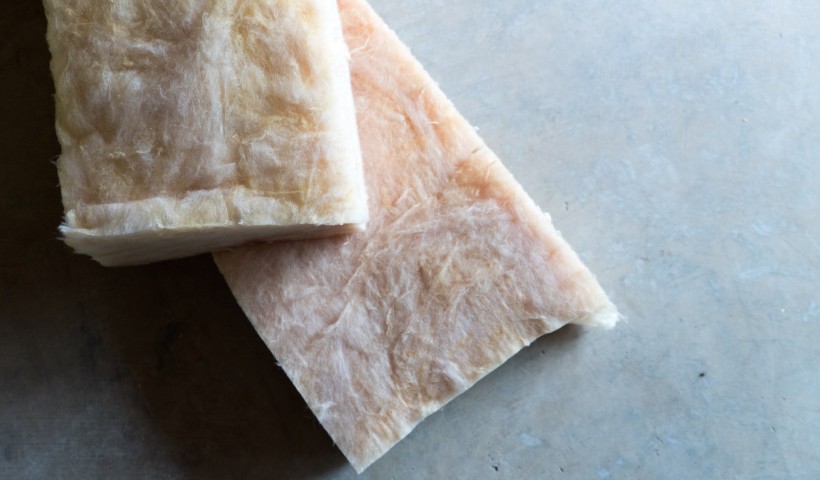
Bradford’s glasswool insulation range is designed to support this integrated approach, delivering consistent thermal performance while also contributing to acoustic comfort and fire safety. By reducing heat loss in winter and heat gain in summer, insulation lowers reliance on mechanical heating and cooling systems, helping homes meet H1 requirements while maintaining healthy indoor environments.
Total home comfort is no longer about individual products, but about how systems work together. To support industry understanding of these changes, CSR Bradford will be releasing a detailed whitepaper in late March that explores the evolving H1 compliance landscape, the Calculation Method and its implications for insulation, ventilation and moisture control in New Zealand homes.
With the right strategy in place, homes can deliver healthier indoor environments, long-term durability and energy efficiency — now and into the future.
 Popular Products from Bradford Insulation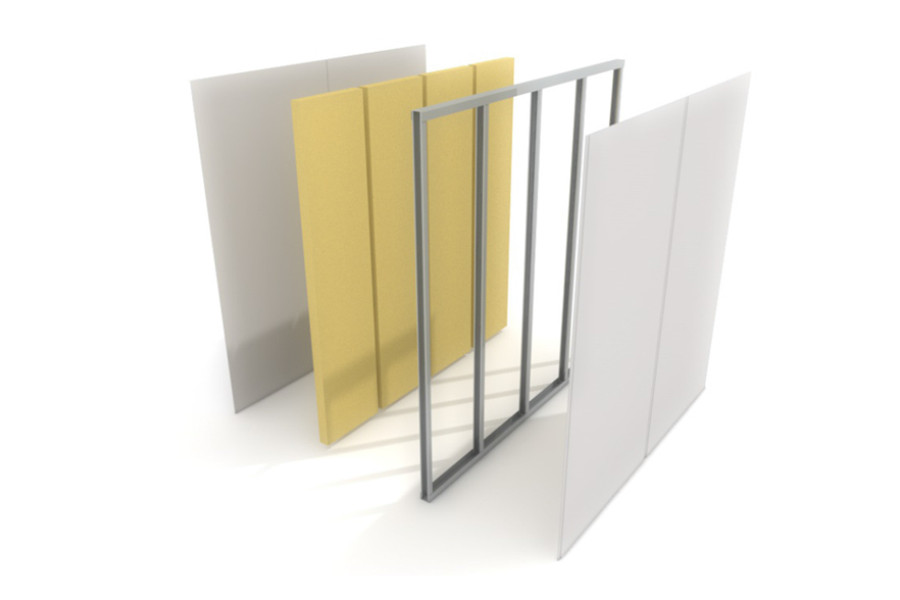
 Most Popular
 Popular Blog Posts