 VANTAGE Windows & Doors
 Roofing Industries
 ALTHERM Window Systems
 Dimond Roofing
 Juralco Aluminium
 SPAX
SPAX


 Prolam
 Case Studies
 PGH Bricks
 Metwood





 Plankwall







Reducing on-site finishing time is an ongoing consideration for architects and designers specifying interior wall and ceiling linings. Pre-primed systems can assist, but surface consistency, moisture resistance and preparation requirements can still affect installation time and final finish quality.
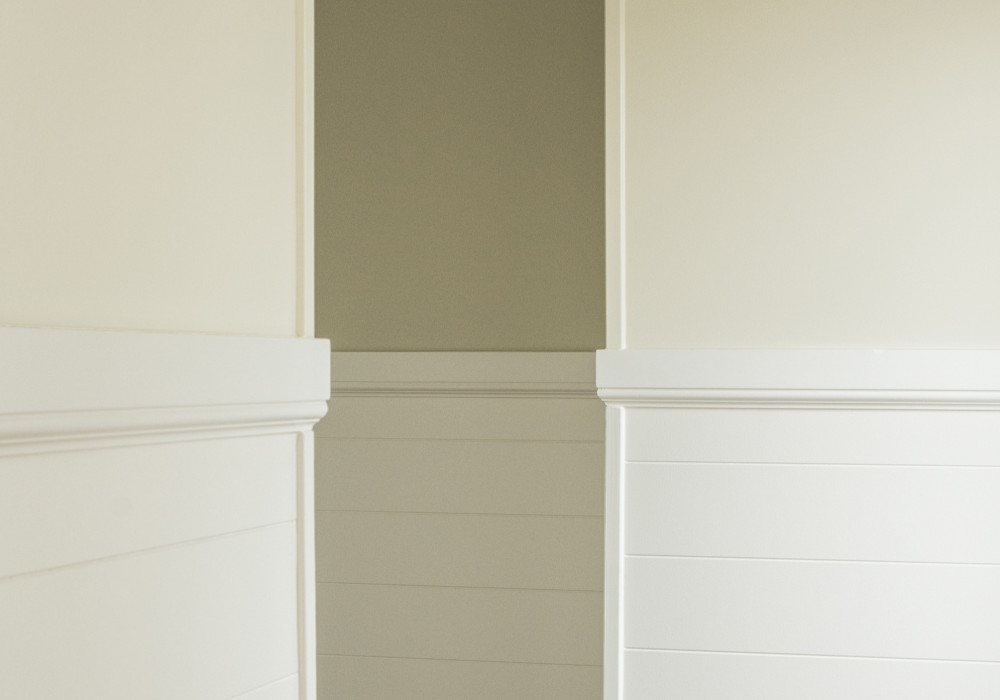
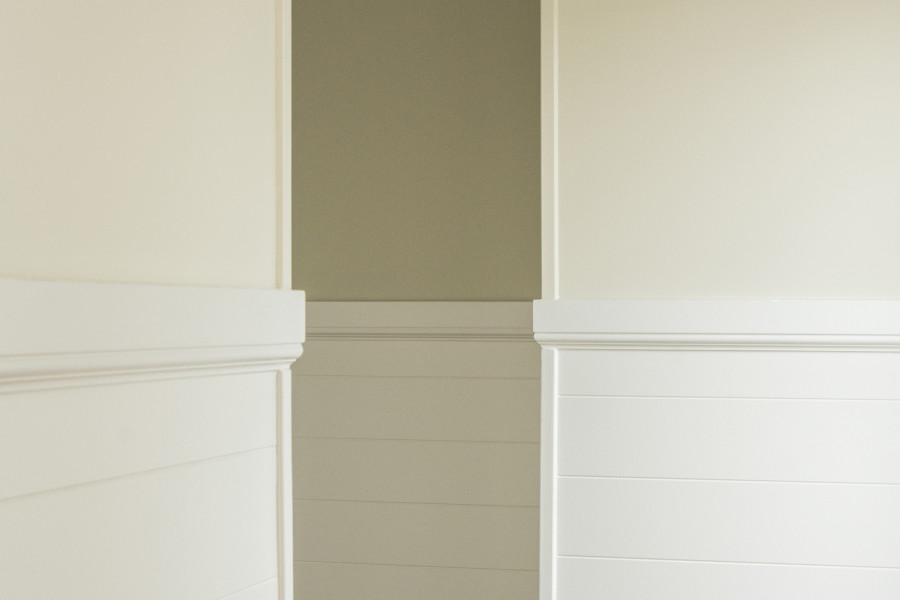
Plankwall Grooved Panels has reintroduced its ‘Almost Finished’ pre-primed V groove panel system, developed to reduce on-site preparation while supporting a consistent painted finish. The panels feature a UV-cured base coating applied in a controlled factory process, limiting the need for additional priming and sanding prior to final coating.
The front face receives two coats of white primer, creating a smooth, uniform surface while also providing a level of moisture resistance. A machine sanding process is applied during manufacture, further reducing preparation requirements before finishing coats are applied on site.
The rear face is sealed with a clear coating to help manage temporary moisture exposure during transport and handling, while also supporting consistent adhesion when fixing with adhesives. Together, these features are intended to improve installation efficiency and reduce variability in surface preparation.
The panels are manufactured using a UV-cured coating process, allowing for controlled application and consistent surface quality across batches. This contributes to more predictable finishing outcomes and can assist in reducing labour inputs during installation.
Plankwall Grooved Panels are manufactured in New Zealand using GoldenEdge MDF from Nelson Pine, which is E0 rated and sourced from sustainably managed forests. Panels are available in 9mm thickness and can be specified ungrooved, or with 100mm or 150mm V groove profiles, across a range of panel sizes.
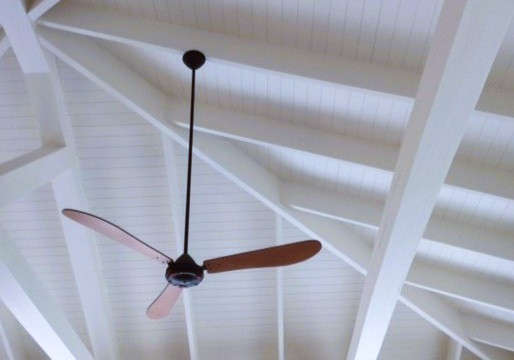
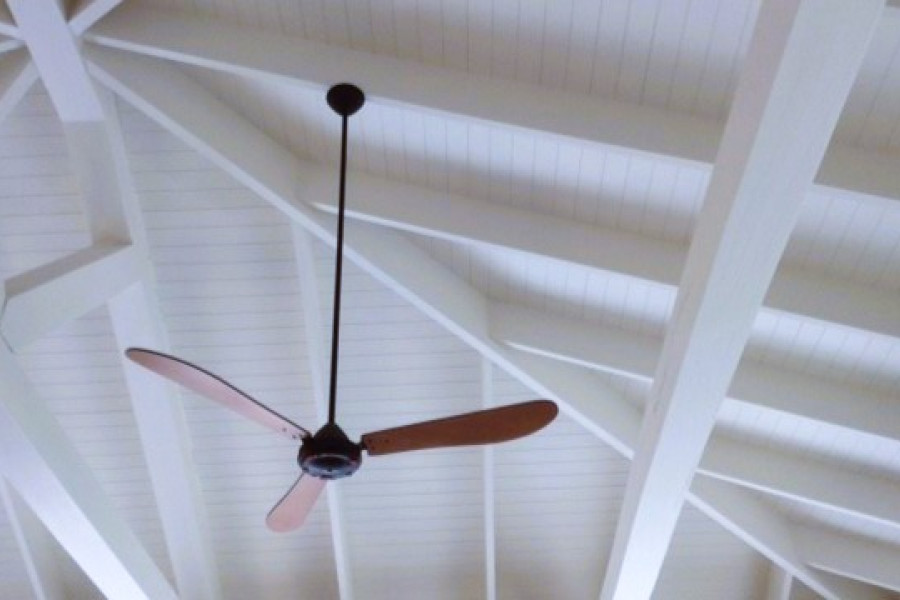
Designed for interior use in dry areas, the system is suited to feature walls and ceilings, and general wall and ceiling panelling applications where a consistent lined finish is required. Tongue and groove edges support alignment during installation and contribute to a continuous appearance across surfaces.
For full specification information, including panel configurations and installation requirements, refer to Plankwall.
 Popular Products from Plankwall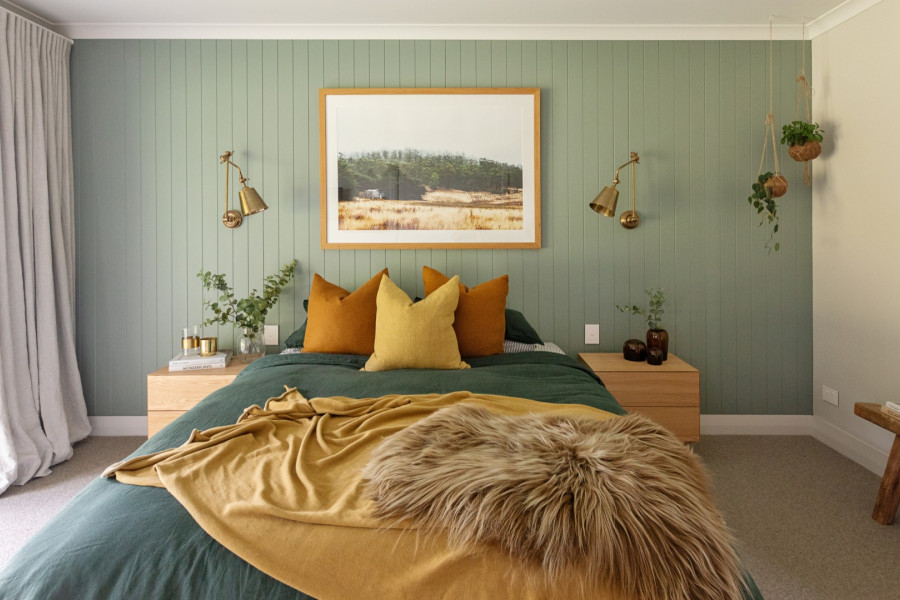
 Most Popular
 Popular Blog Posts