 VANTAGE Windows & Doors
 Roofing Industries
 ALTHERM Window Systems
 Dimond Roofing
 Juralco Aluminium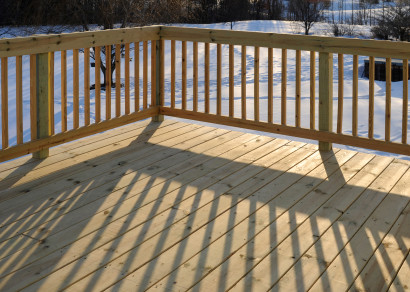
 SPAX
SPAX


 Prolam
 PGH Bricks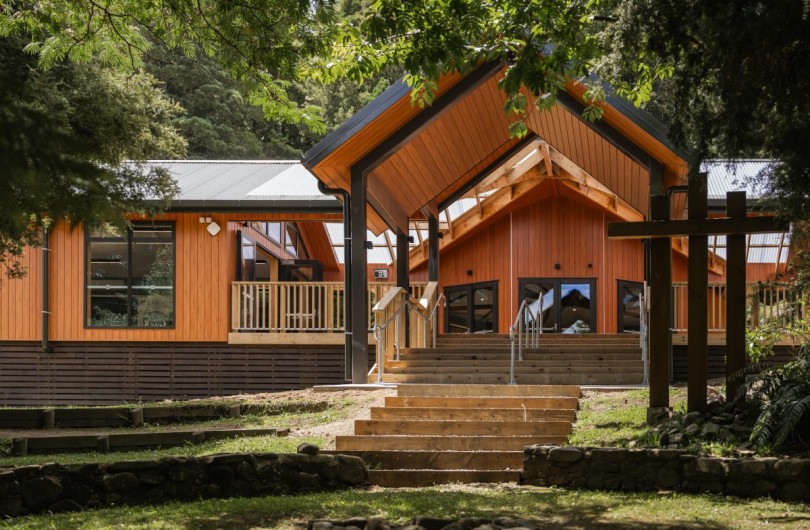
 Metwood





 Dulux
Dulux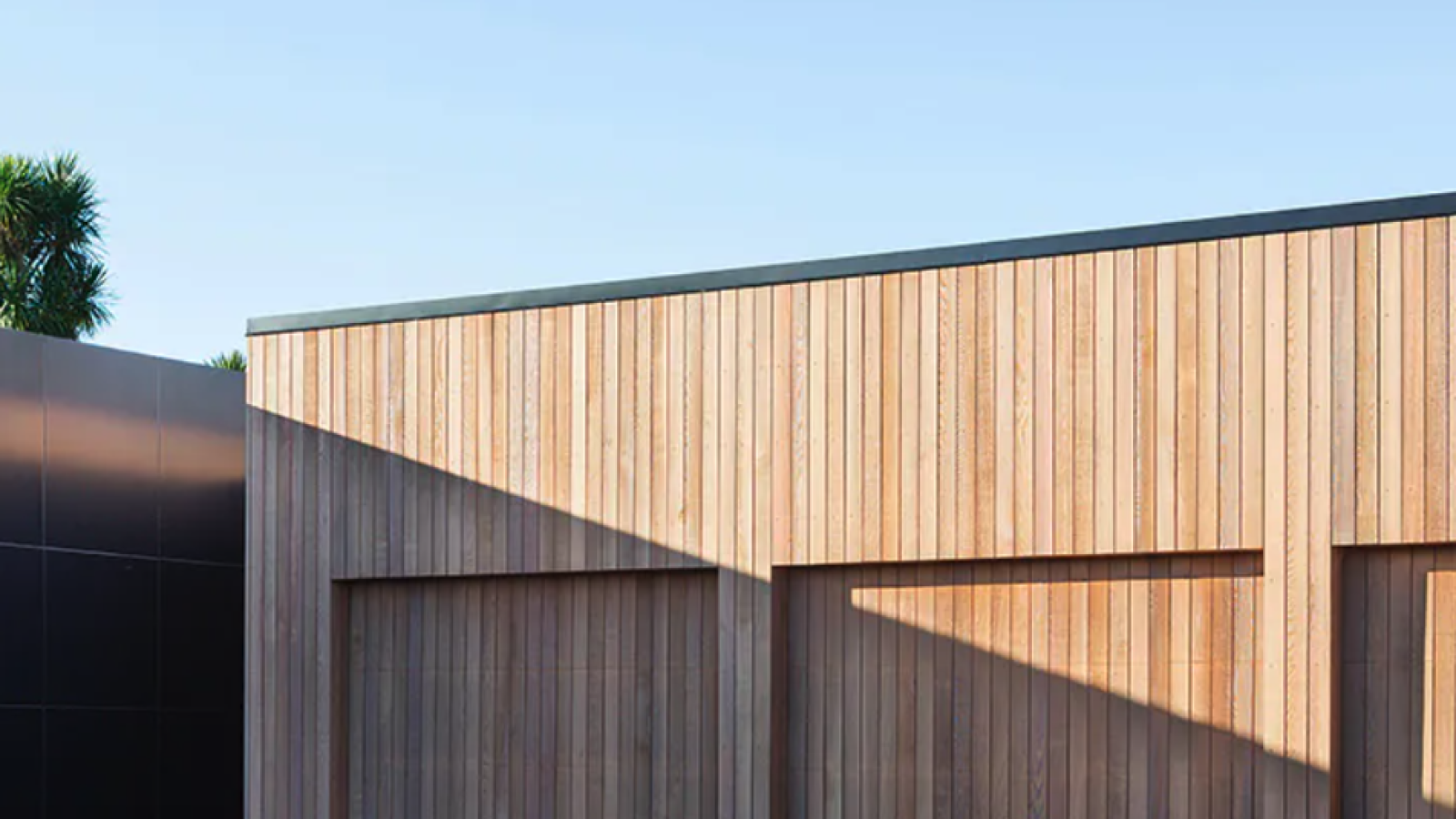
The appeal of natural timber, and the trade-off it brings
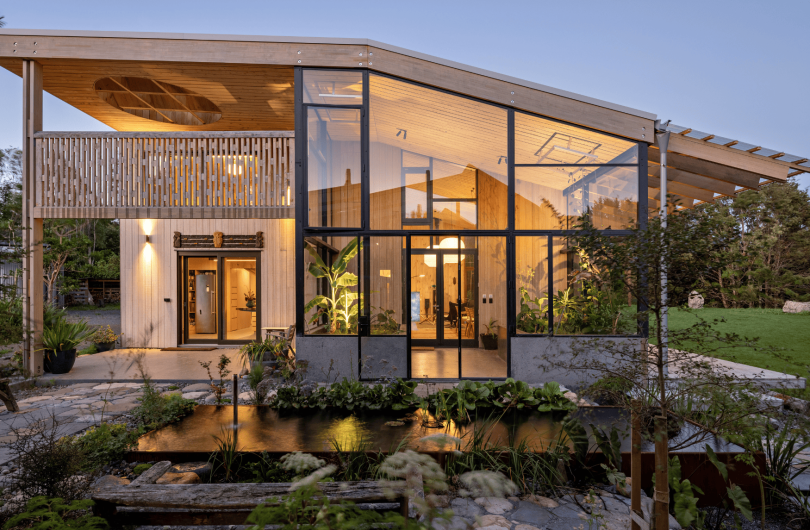
Timber continues to define some of the most compelling architecture today. Its natural variation, warmth and sustainability credentials make it an easy choice from a design perspective. But when timber moves to the exterior envelope, the conversation needs to shift quickly from aesthetics to performance.
Transparent coatings are often specified to preserve that natural character. However, this decision carries a clear consequence: the more natural the finish, the more exposed the timber is to degradation.
Uncoated timber will rapidly deteriorate under UV, moisture and oxygen. Photodegradation breaks down the surface, causing greying and loss of integrity, while moisture drives movement, leading to warping, cupping and splitting.
A coating system slows this process, but it does not eliminate it. That distinction is critical. Specifying transparent finishes is not about preventing weathering; it is about managing it over time.
In practice, this means working with coating systems that are engineered to balance protection and appearance. Dulux offers a few woodcare solutions across it's purposely forumlated brands; Dryden, Intergrain and Cabot's. This ranges from high-build clear systems such as Intergrain UltraClear Exterior for lower exposure areas, through to penetrating oils and stains such as Intergrain UltraDeck Timber Oil, Intergrain NaturalStain, Dryden WoodOil, or Dryden OilStain, designed to perform in fully exposed conditions.
Not all coatings perform the same, and that matters in specification
Exterior timber coatings operate in fundamentally different ways and understanding this is essential to making the right call for each application.
Clear film-forming systems create a protective layer at the surface. They deliver a refined, high-clarity finish suited to feature elements like doors, soffits and joinery. Products in this category, such as Intergrain UltraClear Exterior, are typically specified where aesthetics are critical and exposure can be moderated. However, their performance relies on the integrity of that film, which once compromised, can be labour intensive to rectify, often necessitating extensive sanding or stripping. This makes the technology less suited to large or highly exposed areas.
Penetrating systems, including timber oils and migrating oils, take a different approach. They work within the timber rather than on top of it. Solutions such as Dryden WoodOil or Dryden OilStain require fewer demanding practices to maintain timber protection and visual appearance in exposed environments, particularly on cladding or decking, than film-forming products, but they require more regular maintenance to sustain performance.
The reality on most projects is that no single system is sufficient. A layered specification, matching product type to exposure and use is often required to achieve both aesthetic and durability outcomes.
The hard truth about transparency: durability is driven by pigment
One of the most important levers in timber coating performance is pigmentation. It is also one of the least understood.
Transparent finishes allow UV light to pass through to the timber surface, accelerating degradation. Introducing pigment improves durability by absorbing UV radiation and protecting both the coating and the substrate. This is why semi-transparent stains consistently outperform clear finishes in exposed conditions.
Modern products have evolved in how they manage this balance. Systems such as Intergrain’s waterborne stains use refined, transparent pigments to maintain a cleaner timber aesthetic while still maintaining UV resistance. Even so, the underlying principle has not changed.
If the intent is to maximise the natural expression of the timber, maintenance requirements will increase and coating life will shorten. If greater durability is required, the finish must move away from full transparency.
Lifecycle expectations need to be reset upfront
Performance is variable for transparent coatings and is highly dependent on exposure, timber type, and system selection. In high-exposure environments, more natural oil systems, including traditional decking oils may require maintenance inside 12 months. Higher-performance water-based systems and semi-transparent stains, such as Intergrain UltraDeck, can extend that maintenance cycle when combined with appropriate design detailing.
By comparison, opaque coatings achieve significantly longer lifecycles because they block UV entirely and shield the substrate from degradation.
From a specification standpoint, choosing a transparent system is effectively committing to planned maintenance, not periodic repair. Premium timber care systems can improve consistency and extend intervals but they do not remove this requirement.
The substrate sets the rules
Coating performance cannot be separated from the timber itself. Species, density, grain structure and treatment all influence how a coating behaves and how long it lasts.
Some timbers require treatment to be suitable for exterior use, while others are naturally more durable. Treatment types such as CCA, LOSP, or modified timbers, can also influence how coatings absorb and present visually.
The base colour and variation of the timber will always influence the outcome, particularly with transparent systems. Lighter stains applied over darker timbers, for example, will never appear as expected in isolation.
Timber also contains natural tannins and extractives that leach when exposed to moisture. This cannot be prevented through coating systems alone and needs to be managed through sequencing, pre-weathering or cleaning regimes.
The key point is that coatings respond to timber, they do not standardise it.
Design decisions directly influence coating performance
Performance is dictated as much by design as by product selection. Orientation, exposure, climate and detailing all have a measurable impact on how a coating performs over time.
Surfaces facing high UV and weather exposure will degrade faster. Areas with shelter, such as those protected by eaves, will retain coatings longer. High-traffic elements such as decks require systems designed for both UV and mechanical durability, often including slip-resistant formulations such as Intergrain UltraDeck Slip Resistant.
These are not secondary considerations. They should inform coating selection early. In many cases, relatively simple design strategies such as reducing exposure, and selecting the right system for the right surface can significantly extend performance.
Maintenance is the system, not the afterthought
Regular cleaning, inspection and timely recoating are essential to maintaining timber performance. High-quality systems such as those within the Dulux timber care portfolio weather by fading or eroding, but they still rely on maintenance at the right time to continue to protect and enhance the timber.
Delaying intervention typically leads to deeper breakdown, increasing the likelihood of more arduous preparation rather than simple cleaning and recoating. For architects and designers, this shifts the role from specifying a product to specifying a system, one that includes a clear and realistic maintenance pathway.
A more informed approach to specifying timber
Specifying exterior timber with a transparent finish is not just a design decision, it is a commitment to a particular performance pathway.
For architects and designers, the role is to bring clarity to that decision. That means being explicit about trade-offs, aligning expectations with reality, and ensuring that aesthetic intent is supported by appropriate system selection.
Dulux timber care solutions across brands such as Intergrain and Dryden are designed to support this system-based approach, offering a spectrum of technologies that can be matched to substrate, exposure and maintenance expectations. But even the best products rely on informed specification.
When the system, substrate and environment are aligned, timber performs well and continues to deliver the value that makes it such a compelling material.
When they are not, even well-designed projects can fall short of expectations.
For more details, visit dulux.co.nz/specifier/ and write to us [email protected]

 Most Popular
 Popular Products