 VANTAGE Windows & Doors
 Roofing Industries
 ALTHERM Window Systems
 Dimond Roofing
 Juralco Aluminium
 SPAX
SPAX



 Prolam
 PGH Bricks
 Metwood






 Dulux
Dulux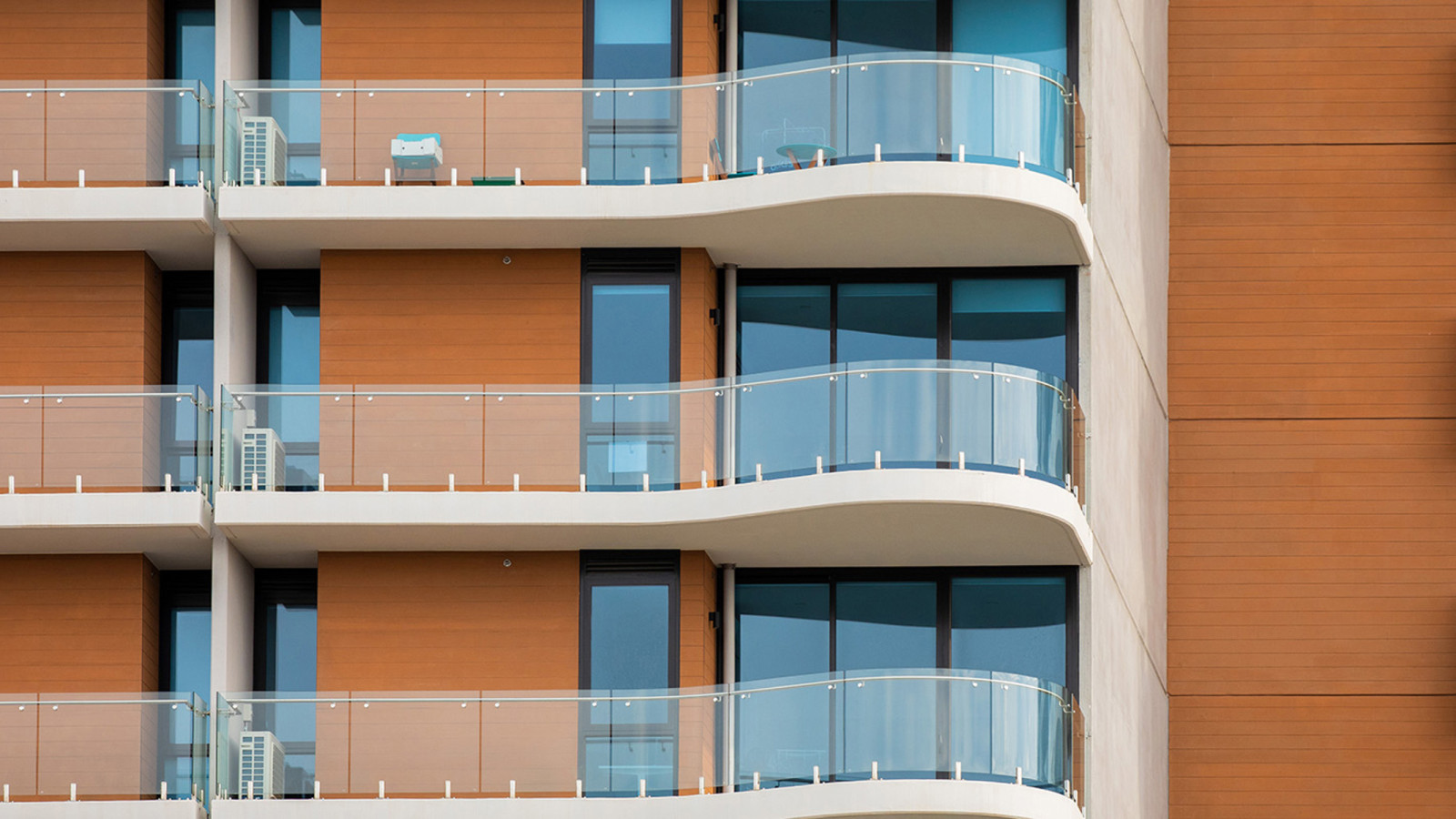
Mineral silicate paints and stains are inorganic coating systems designed for use on concrete, masonry, render and precast substrates. Rather than forming a film on the surface, these coatings penetrate the substrate and react chemically through a process known as silicification, creating a bond within the mineral structure itself.
This mode of interaction gives mineral silicate systems a set of characteristics that are particularly relevant to architectural and infrastructure projects, including vapour permeability, close substrate compatibility and longterm stability.
How mineral silicate systems behave
Mineral silicate paints and stains are formulated using silicate binders and inorganic pigments. When applied to suitable mineral substrates, the coating penetrates the surface and chemically bonds with free lime present in concrete and masonry. The resulting finish becomes part of the surface rather than a layer sitting on top of it.
As a result, mineral silicate systems:
- Are breathable, allowing water vapour to pass through the coating
- Do not form a continuous surface film
- Maintain compatibility with concrete and masonry substrates
- Support longterm performance where moisture movement is a design consideration
These properties make mineral silicate systems relevant where coatings need to work with mineral substrates over time.
How mineral silicate systems differs from acrylic systems
Mineral silicate and acrylic paints differ fundamentally in how they interact with concrete and masonry substrates and are specified based on performance and visual intent.
Mineral silicate paints penetrate the substrate and chemically bond through silicification, becoming part of the mineral surface. This results in a breathable, non-film-forming finish that remains compatible with concrete and masonry over time.
Acrylic paints, by contrast, are film-forming coatings that sit on the surface of the substrate, creating a continuous layer that provides colour and protection but restricts vapour movement.
Mineral silicate paints are typically specified where:
- Breathability and moisture vapour transmission are important
- Longterm compatibility with mineral substrates is required
- A natural, matte, mineral appearance is preferred
- Reduced risk of peeling or blistering is desired
Mineral silicate paints rely on chemical bonding rather than surface film formation, so, substrate condition and assessment play an important role in achieving the intended performance and appearance.
Mineral silicate paint vs mineral silicate stain
Within mineral silicate systems, both opaque paints and translucent stains are specified depending on the design intent.
Mineral silicate paints provide a more uniform, opaque appearance while retaining breathability. Mineral silicate stains, by contrast, are translucent, allowing the underlying surface texture, tonal variation and material character to remain visible.
Stains are typically specified where:
- The expression of concrete or masonry is part of the architectural intent
- Colour is required without fully obscuring the substrate
- Surface variation is acceptable or intentionally retained
- A restrained, mineral appearance is preferred over a uniform finish
Because stains are translucent, substrate condition and test sampling play an important role in achieving the intended outcome.
Porter’s Paints expands its Mineral Silicate Systems range
Porter’s Paints expanded its Mineral Silicate Systems range with the launch of Porter’s Mineral Silicate Stain, introducing a breathable, translucent option for concrete and masonry substrates.
The mineral stain has been developed for projects where architects and designers are seeking to introduce colour while retaining the visual character and texture of mineral surfaces. It uses fade-resistant inorganic pigments and is positioned for use across multi-residential developments, architecturally designed homes, infrastructure projects and other long-life assets.
“Mineral silicate stains offer a different way of working with concrete and masonry,” says Jeremy Meates, Business Development Manager, Porter’s Paints. “They provide architects and specifiers with a translucent option where colour, substrate expression and longterm performance are considered together as part of the overall system.”
As part of the broader Mineral Silicate Systems offering, the stain sits alongside Porter’s Mineral Paints, allowing specifiers to select finishes based on substrate type, visual intent and performance requirements. The system is supported by a 25-year warranty, referenced at a high level for projects where durability and extended maintenance cycles are important considerations.
Mineral Silicate Stain in practice: Project examples
Porter’s Mineral Silicate Stain has already been applied across a range of large-scale architectural projects in Australia, demonstrating how the system performs in practice when used on concrete and related substrates.
At Mondrian, Burleigh Heads, Porter’s Mineral Silicate Stain was applied across approximately 40,000m² of precast concrete façades. The project brief called for a raw concrete appearance that would remain visually consistent while allowing the natural patina and texture of the panels to remain evident. A reduced‑opacity application was selected to visually moderate patching and surface variation while retaining substrate character. The mineral stain’s breathable, non‑film‑forming nature allowed moisture vapour movement through the façades, supporting long‑term performance without sealing or trapping moisture within the concrete.
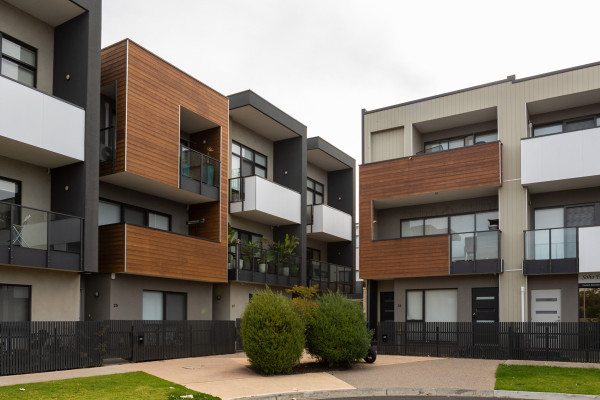
At Carnegie Apartments, Melbourne, Porter’s Mineral Silicate Stain was used across concrete-based and rendered substrates, including textured sheeting to balcony interiors and selected external walls. The application demonstrates how a translucent mineral stain can modulate colour and tone across non-timber surfaces while maintaining surface definition. By bonding within the mineral substrate rather than forming a surface film, the system provides colour and protection while remaining compatible with moisture-sensitive building elements.
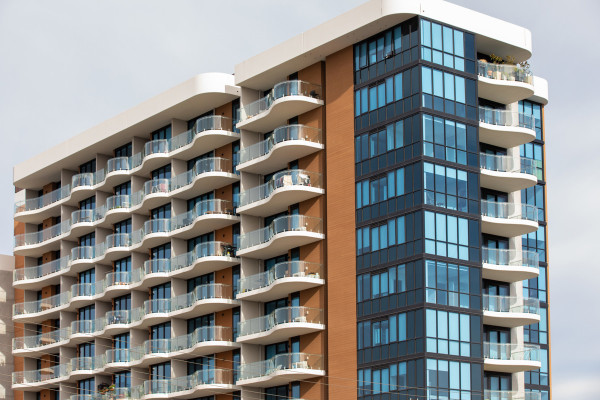
Together, these projects illustrate how Mineral Silicate Stain can be used where substrate expression, visual continuity, breathability and longterm durability are key design drivers — considerations that closely align with many New Zealand architectural contexts.
A considered option for mineral-based design
As the use of exposed concrete, precast and masonry continues across residential, commercial and infrastructure projects, mineral silicate systems provide an additional specification option where breathability, substrate compatibility and restrained colour application are central to the design intent. Mineral Silicate Stain expands the toolkit available to architects, designers and façade consultants working with mineral substrates, supporting informed, material specification decisions.
Learn more about Porter’s Mineral Silicate Systems:

 Most Popular
 Popular Products