 VANTAGE Windows & Doors
 Roofing Industries
 ALTHERM Window Systems
 Dimond Roofing
 Juralco Aluminium
 SPAX
SPAX


 Prolam
 Case Studies
 PGH Bricks
 Metwood





 Ampelite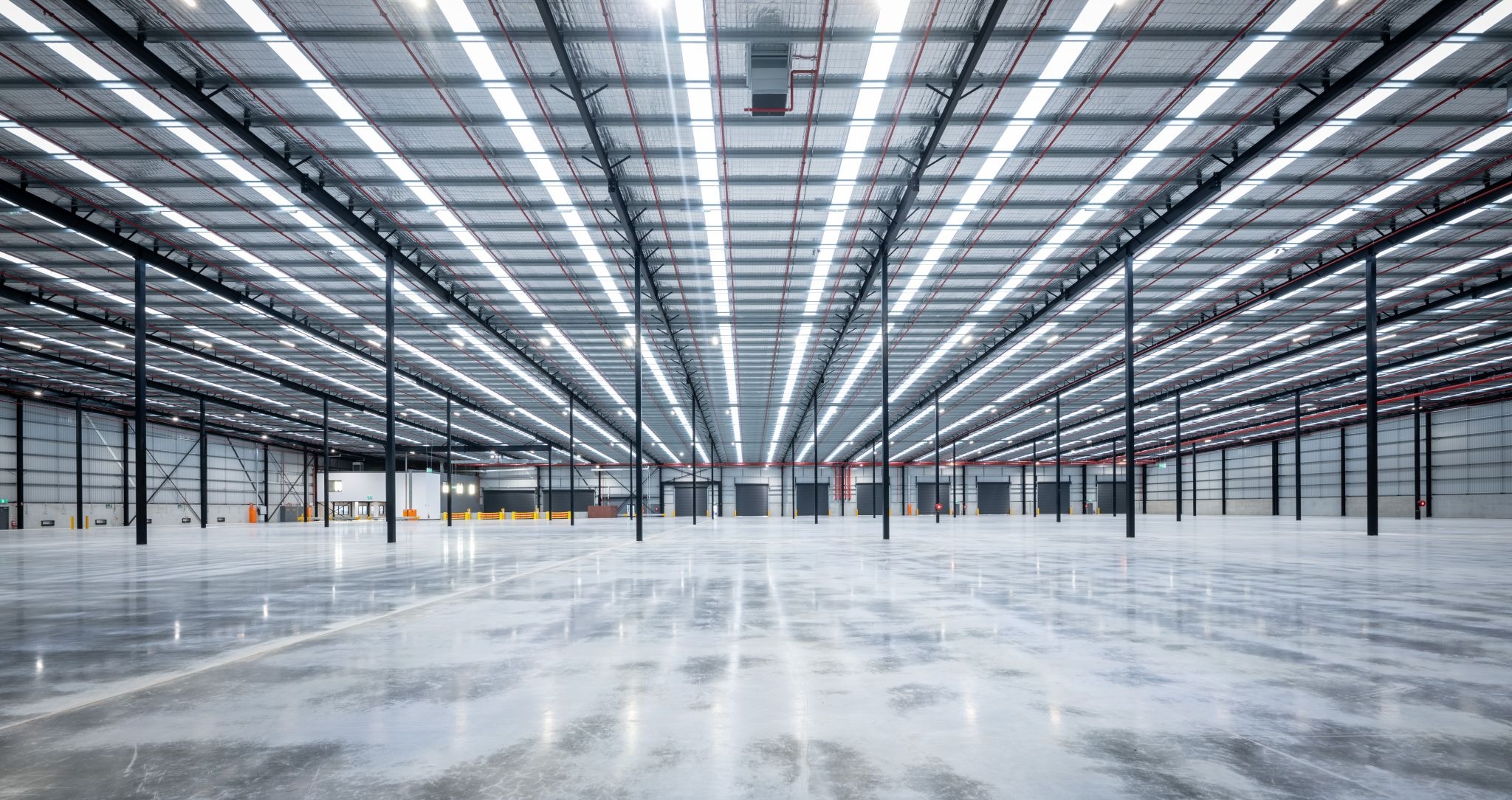
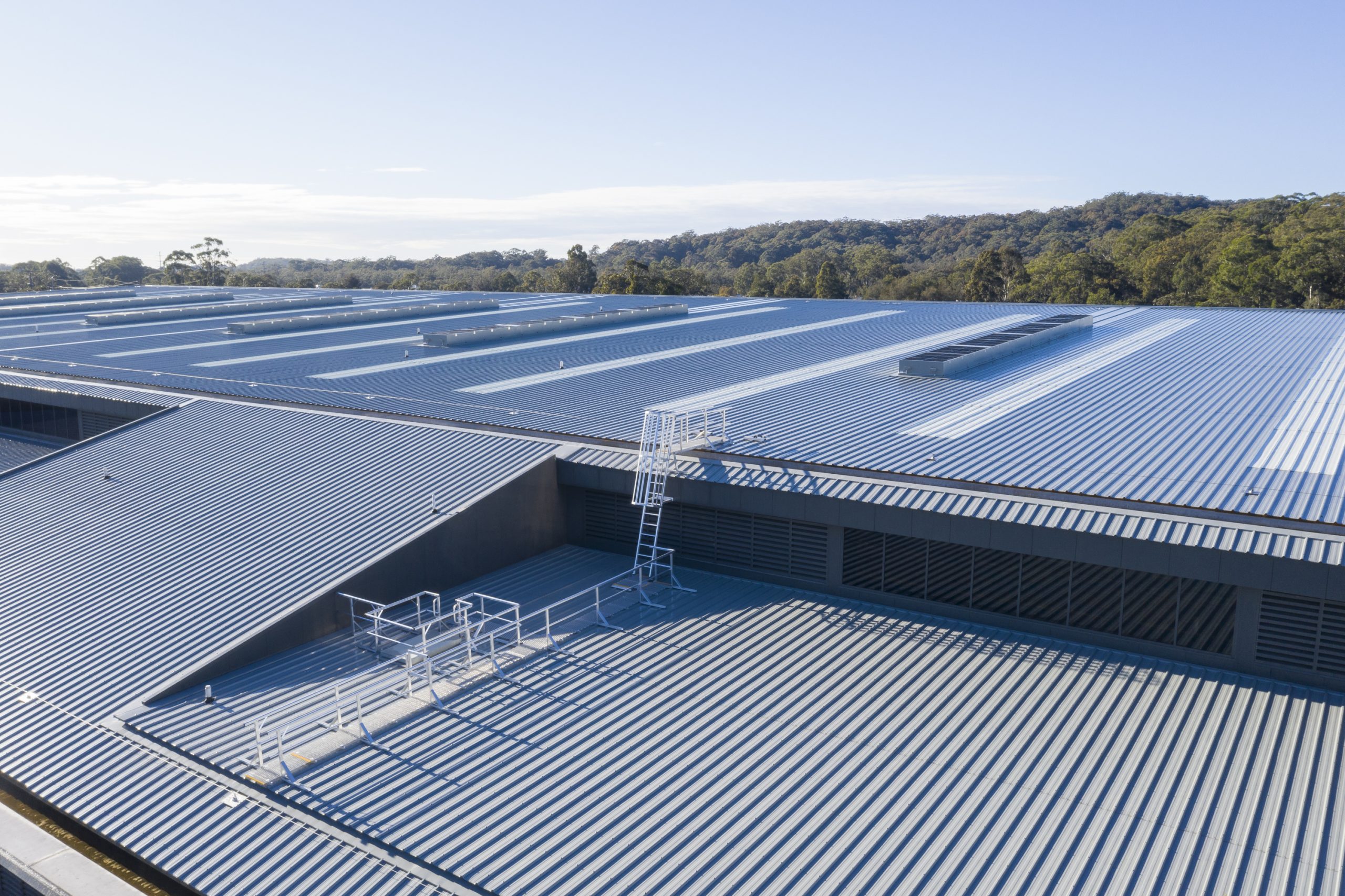
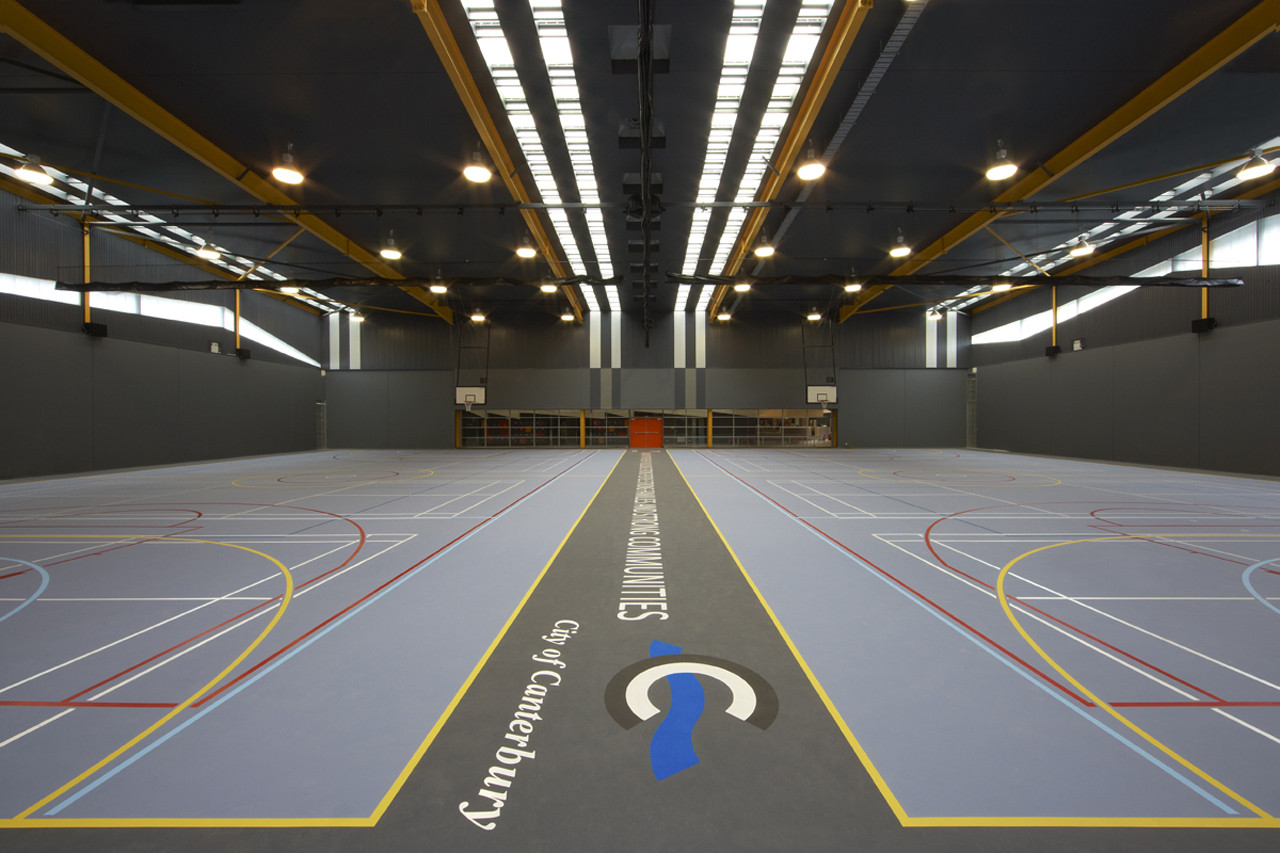
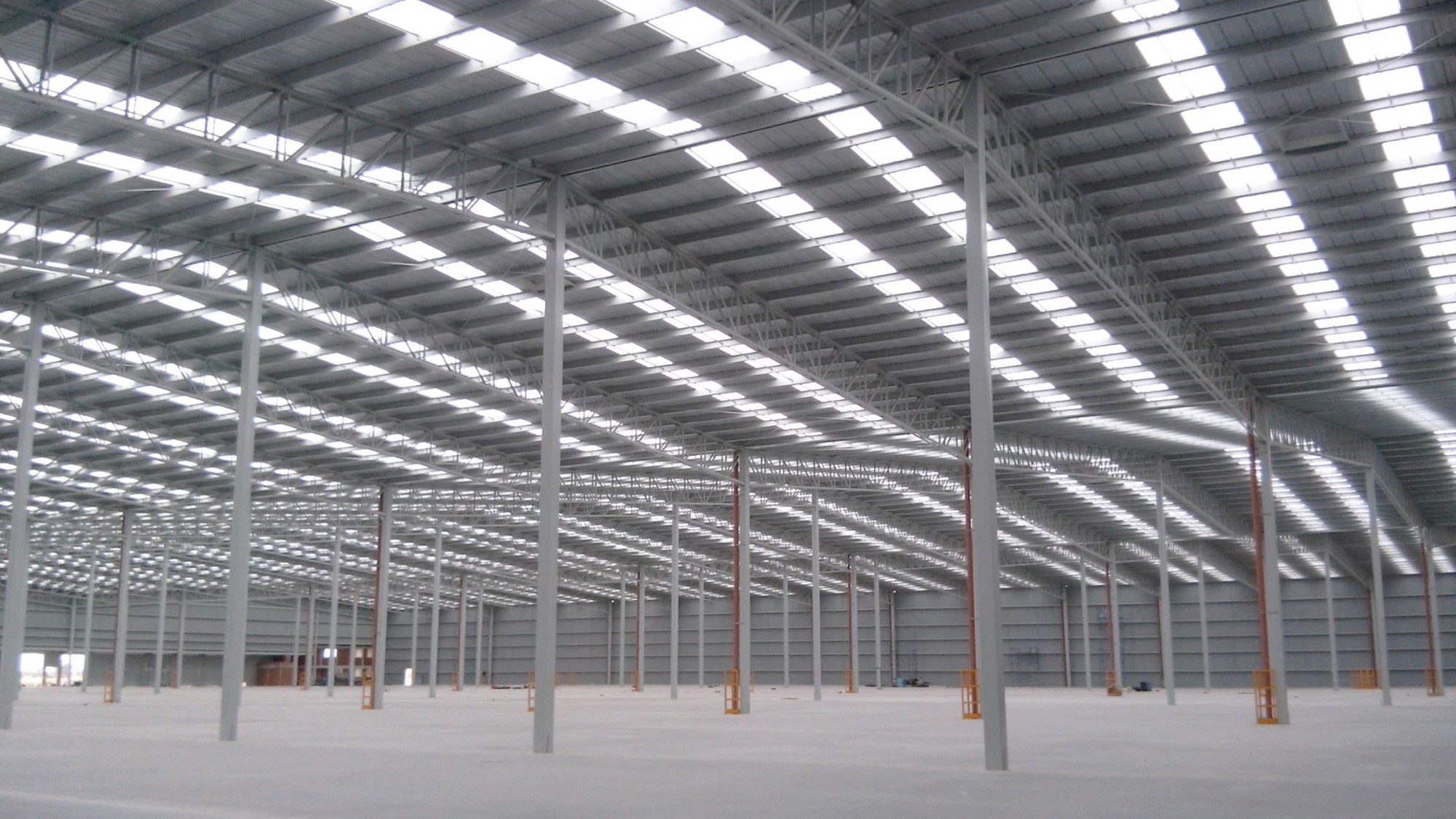


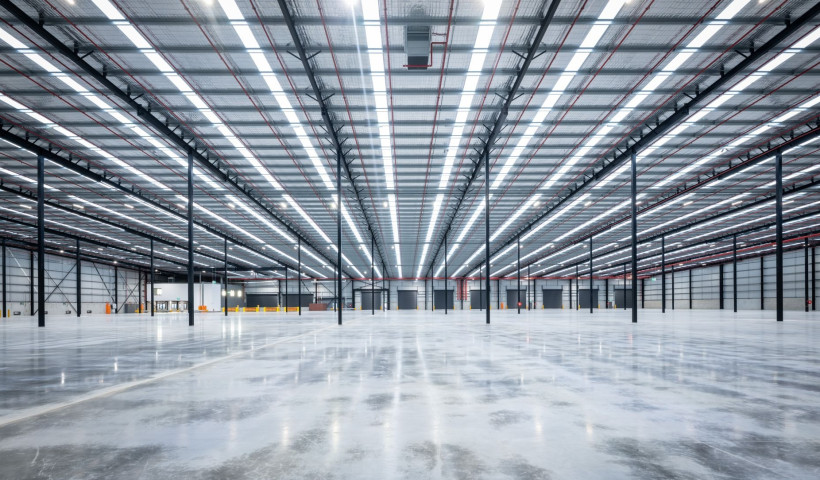
Across commercial and industrial projects, architects and designers are reassessing how translucent roofing performs over the full life of a building. Increased rooftop services, higher wind loads, and stricter operational safety requirements are driving a shift toward trafficable GRP (glass-reinforced polyester) systems.
Ampelite National Specification Manager, Brendon Rooyen, points to an evolving trend: “Designers are seeking materials that balance natural light, durability, and safe roof access over decades of use.” Webglas GC Fiberglass Sheet, manufactured in a 2.2mm heavy-gauge woven glass mat, responds to these design challenges by providing a long-term, non-corrosive, and fully trafficable translucent solution.
Key design considerations
When reviewing translucent roofing options, early consideration of building use, maintenance patterns, and environmental exposure is essential. Brendon emphasises several recurring design drivers:
- Roof access and safety: Modern commercial roofs accommodate solar arrays, HVAC units, and regular maintenance activities. Trafficable translucent sheeting reduces the risk of falls by enabling safe foot access without separate walkway systems.
- Corrosive environments: In coastal or chemically aggressive locations, steel products and safety mesh can deteriorate rapidly. Webglas GC’s woven mat and gel-coat system avoid these issues by eliminating the need for safety mesh beneath the sheet.
- Wind load and spanning requirements: Higher wind zones now demand systems with proven spanning capability and resistance to uplift. Testing to AS/NZS 1562.3 and AS4040.2 provides wind-pressure performance data for Webglas GC across multiple profiles.
- Condensation control: Retrofitted industrial buildings often face internal moisture accumulation. Ampelite’s twin-skin system, using Webglas GC as the upper sheet, provides a thermal break and drainage path to mitigate condensation risk.
- Thermal and daylight performance: Light transmission values (e.g., 56–60% depending on colour) support NZBC Clause G7 Natural Light, while optional CoolLite films can reduce heat gain in temperature-controlled facilities.
- Safety throughout its lifespan: Safe access across the roof throughout the lifespan of all the products is crucial. Ampelite’s Webglas has and will continue to perform as intended throughout the lifespan of the product.
Project requirements and benefits
For architects, the product selection process typically begins with understanding internal conditions: heat sensitivity, moisture, foot traffic frequency, and required light levels. From there, Webglas GC offers several functional advantages:
- Trafficable performance: The heavy-gauge woven construction and gel-coat surface allow roof access for maintenance throughout its service life. Ampelite Webglas is the only trafficable GRP translucent sheeting in New Zealand that does not recommend the use of another proprietary walkway system over the GRP.
- Durability and lifespan: Testing equivalent to 20 years of UV exposure, combined with low surface erosion and high resistance to yellowing, supports a 20-year warranty on light and water transmission.
- Chemical resistance: Resistance tables outline suitability against acids, alkalis, and salts, supporting use in pulp, meat-processing, and chlorine-exposed facilities.
- Simplified replacement: In twin-skin systems, only the top sheet requires renewal because Webglas GC blocks 99% of UV from reaching the lower layer.
- Ease of installation: pre-drilled oversized holes, profile-matched EPDM washers, and Ampelok fasteners support accurate installation in accordance with AS/NZS 1562.3.
Project example
Ampelite was recently involved in a logistics warehouse project that illustrates common retrofit challenges. Moisture-laden pallets often stored in the facility had historically caused significant condensation, resulting in internal “rainfall.” A Webglas GC-based twin-skin solution, Dripguard, introduced a thermal barrier between layers, reducing thermal bridging and relocating condensate to an intermediate zone where it could ventilate through eaves. The trafficable top sheet also supported safe access for servicing multiple rooftop HVAC units. The result was improved internal conditions, minimal reduction in light transmission, and reduced maintenance/safety risk.
Compliance pathways
When installed in line with Ampelite’s requirements, Webglas GC contributes to NZBC compliance with:
- B1 Structure: Spanning, wind loading, cyclonic wind loading and concentrated load testing to AS4040.1/2 and AS/NZS 1562.3.
- B2 Durability: 20-year durability evidence and ISO 9001 production quality assurance.
- E2 External Moisture: Weather-tightness supported through installation practices consistent with NZMRM Code of Practice.
- F2 Hazardous Building Materials: GRP resin system with Group 3 fire rating. (1S system capabilities)
- G7 Natural Light: Specified light-transmission values.
Ampelite documentation includes technical statements, impact testing, accelerated weathering results, and fire-group assessments.
Summary
Designing safe, durable translucent roofing increasingly requires materials capable of supporting maintenance access, resisting corrosion, and delivering reliable long-term daylighting. Webglas GC Fiberglass Sheet offers a well-tested GRP solution that aligns with contemporary design requirements and supports clear pathways to NZBC compliance.
Get in Touch
For design support, profile selection, wind-load calculations, or installation guidance, get in touch with Ampelite’s technical team.
 Popular Products from Ampelite
 Most Popular
 Popular Blog Posts