 VANTAGE Windows & Doors
 Roofing Industries

 Blum
 Symonite
 Dimond Roofing
 Belgotex


 Nuralite
 Case Studies

 GreenStuf
 MiTek New Zealand Limited





 Jacobsen
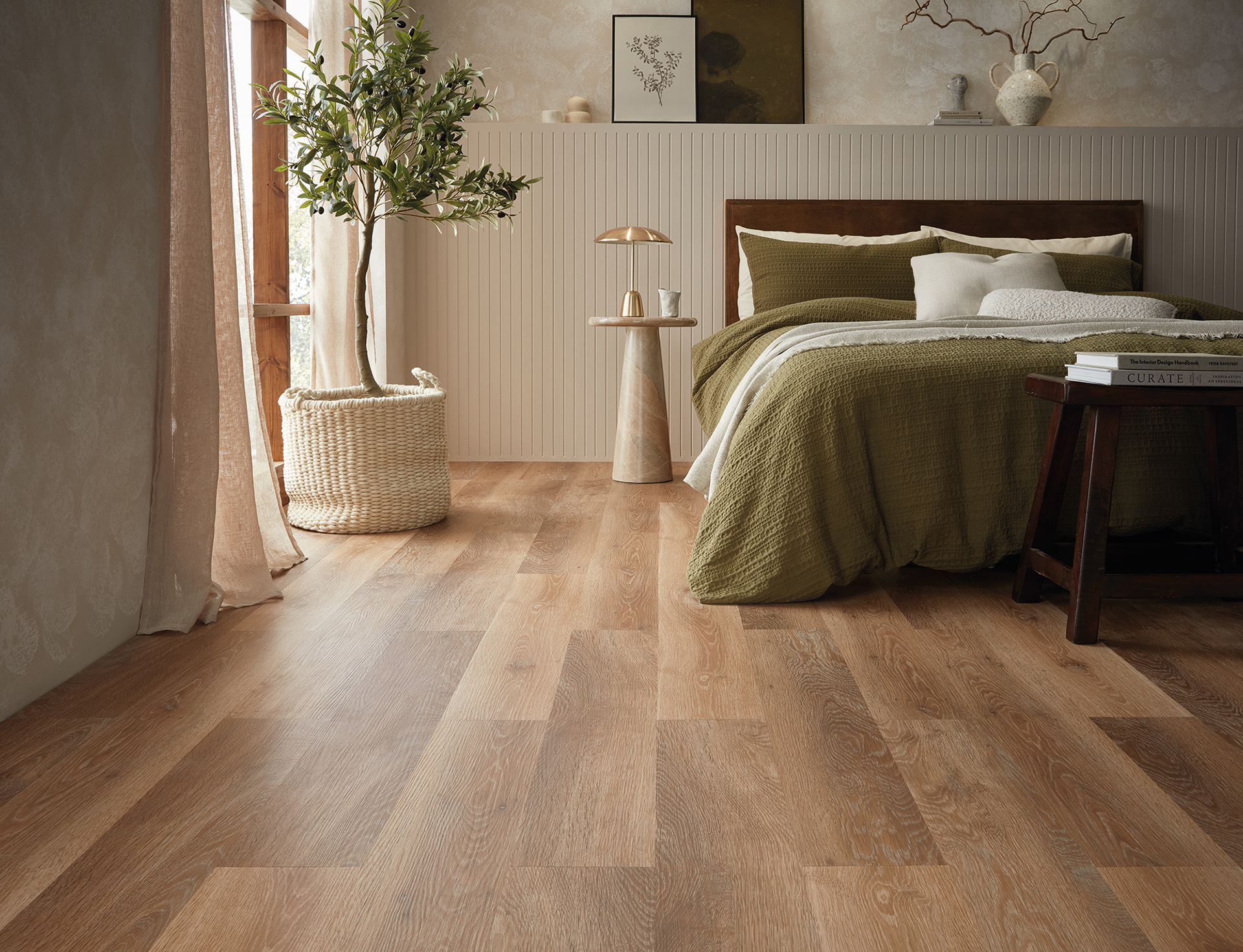
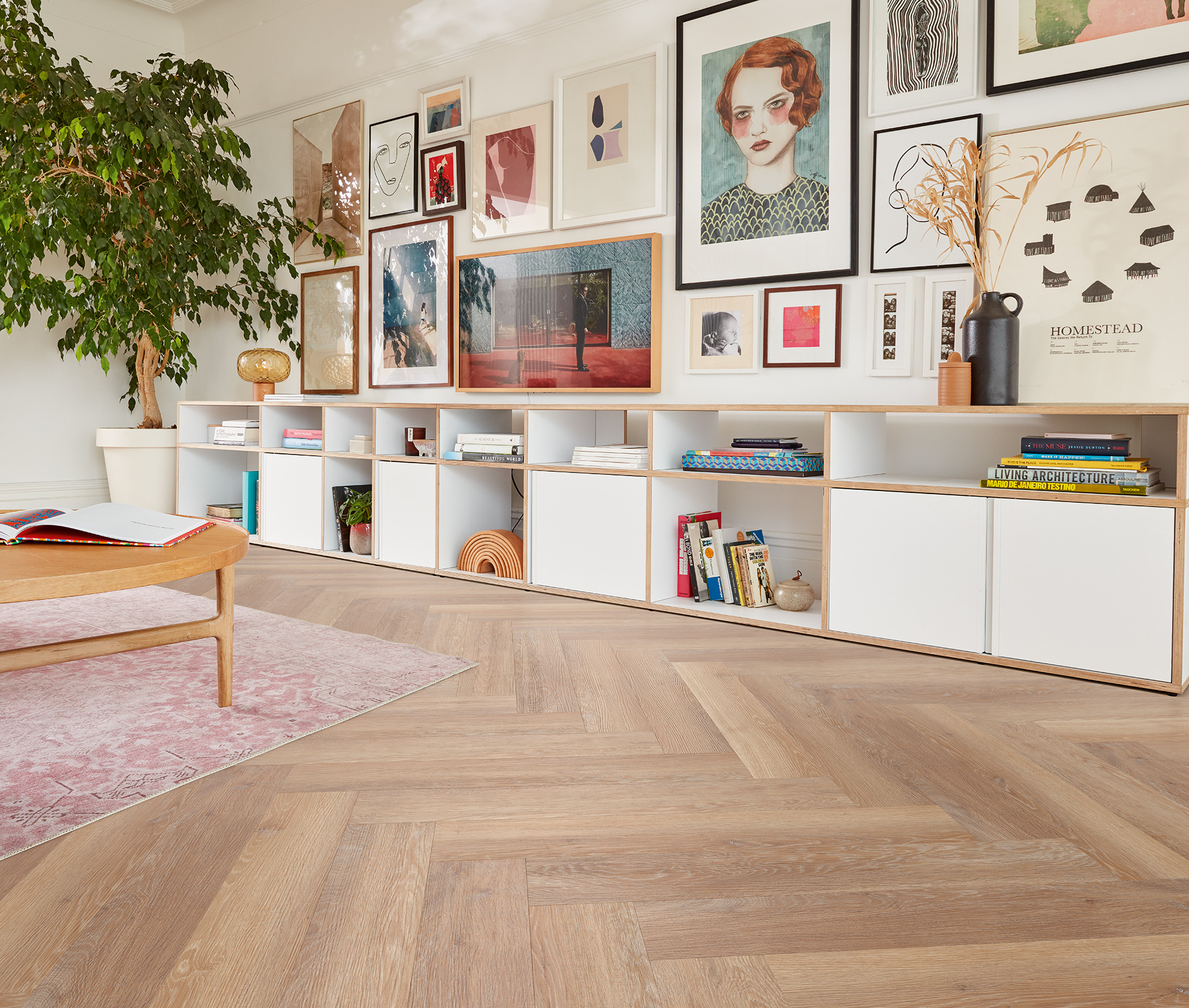
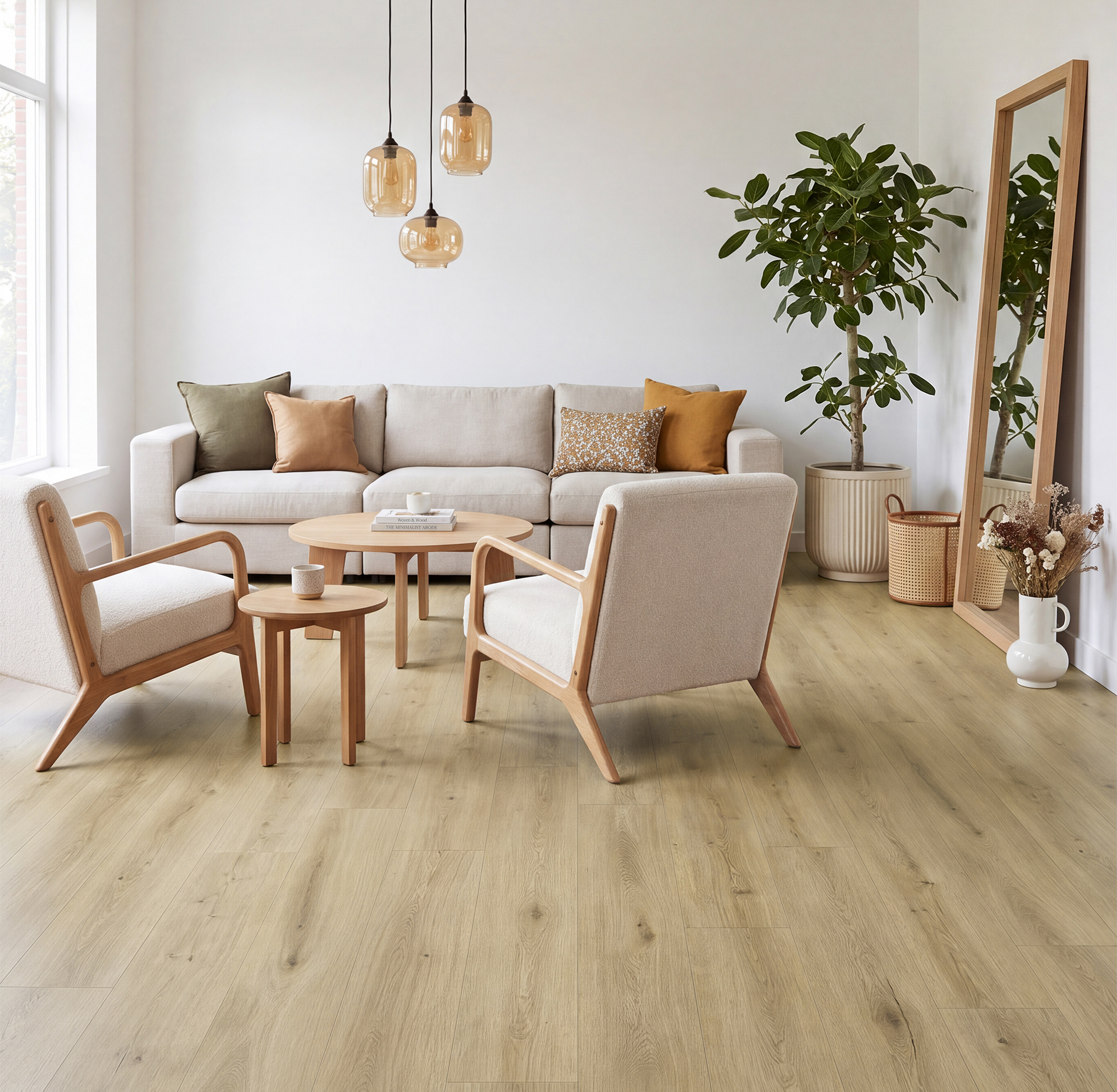
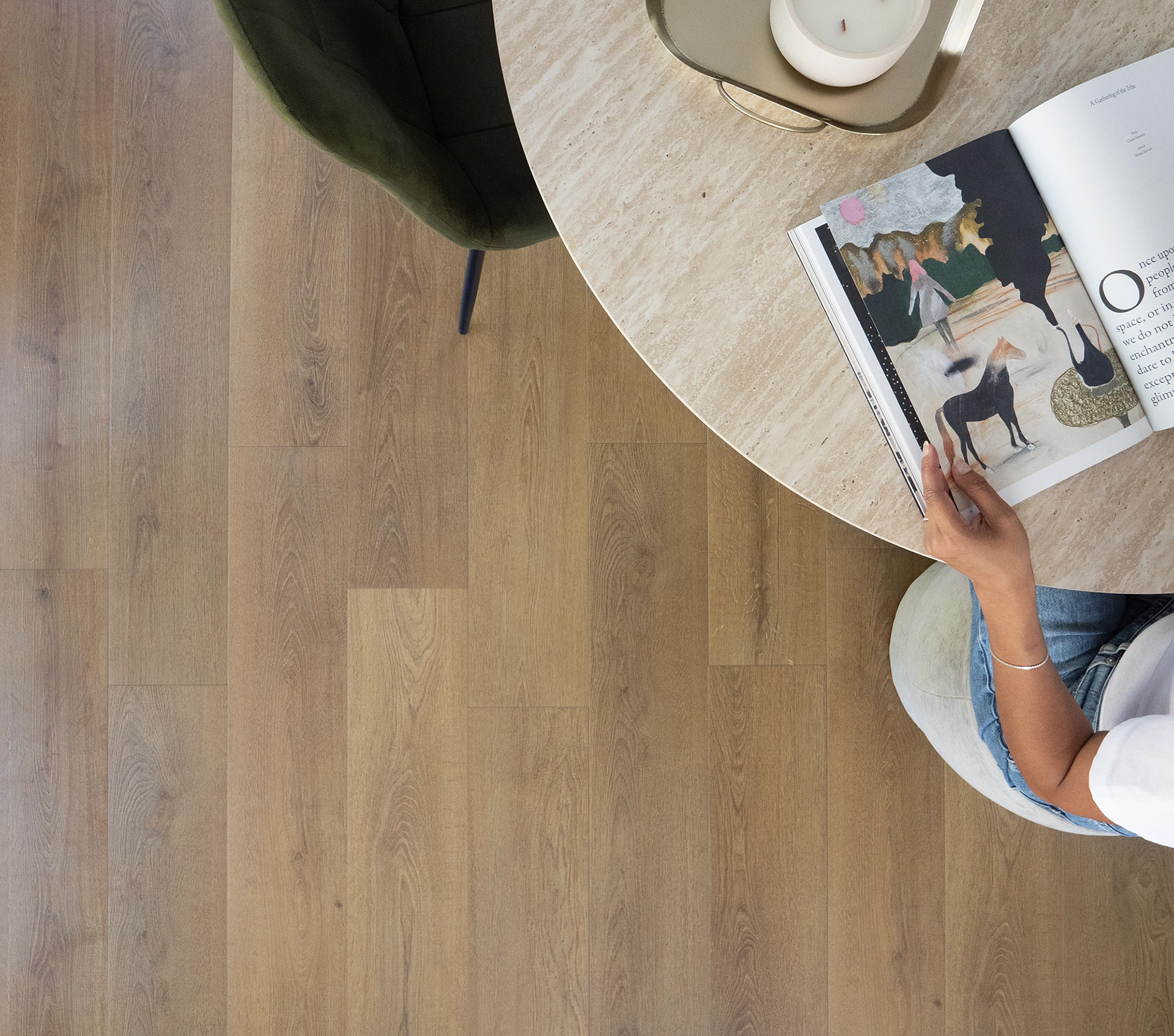
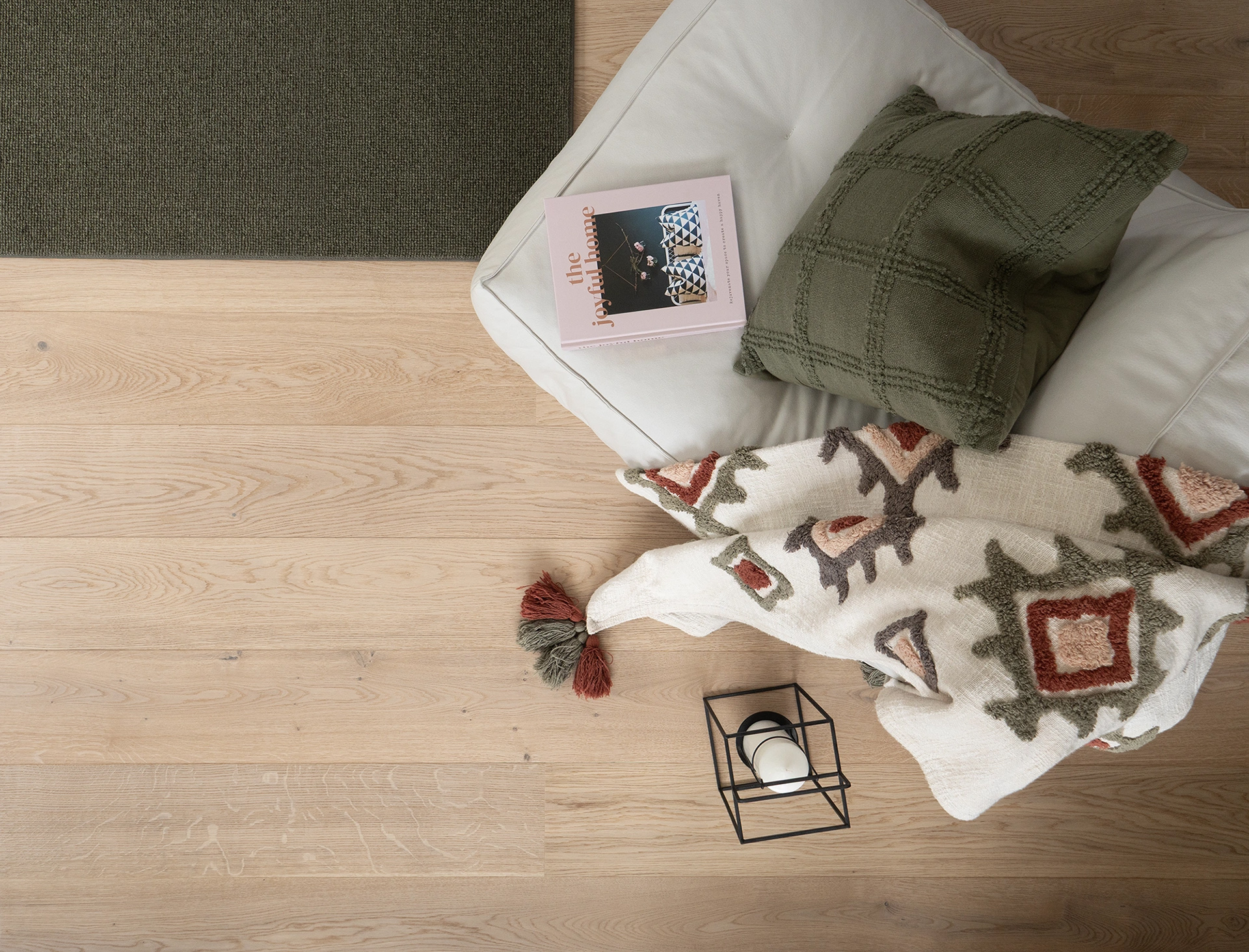
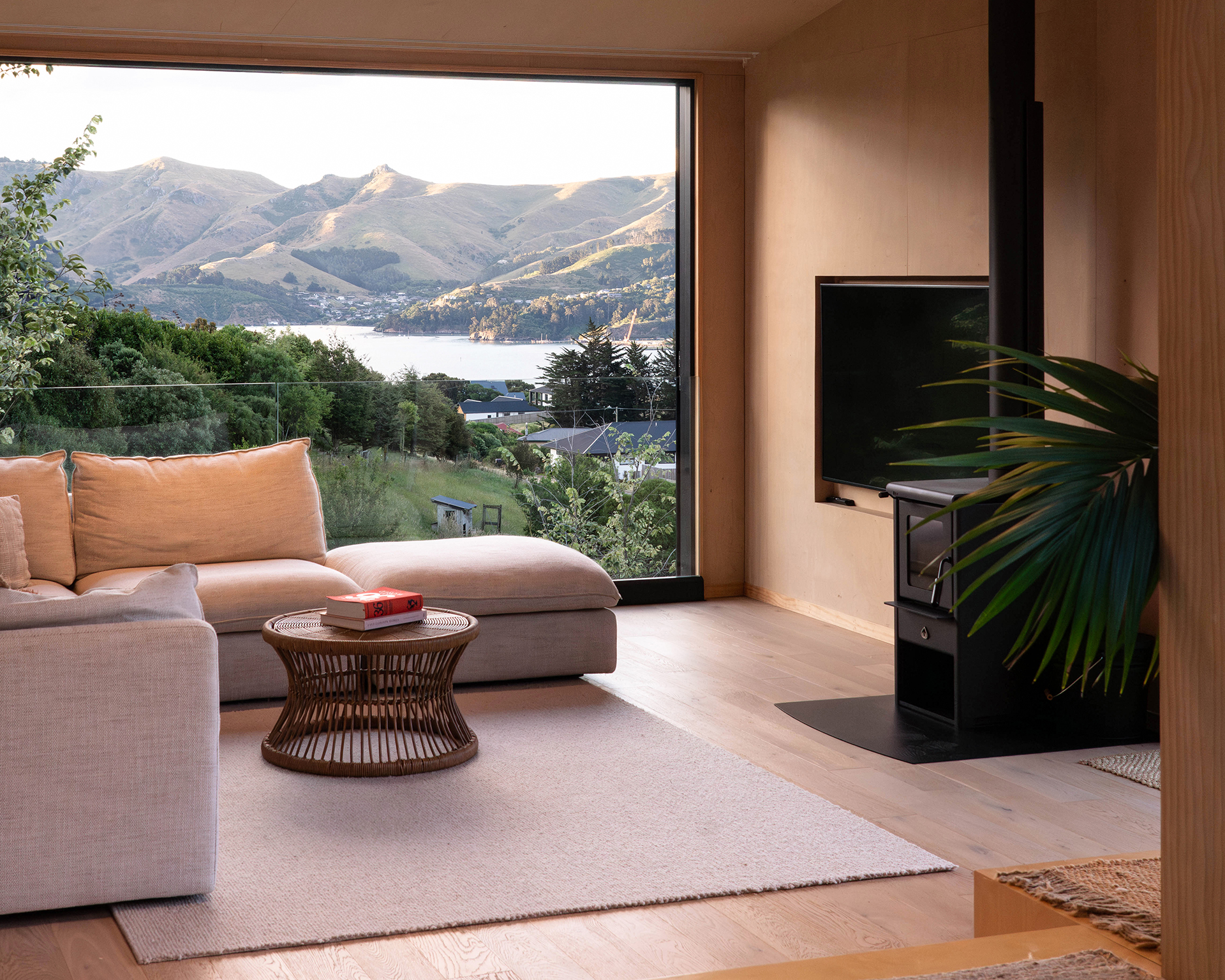
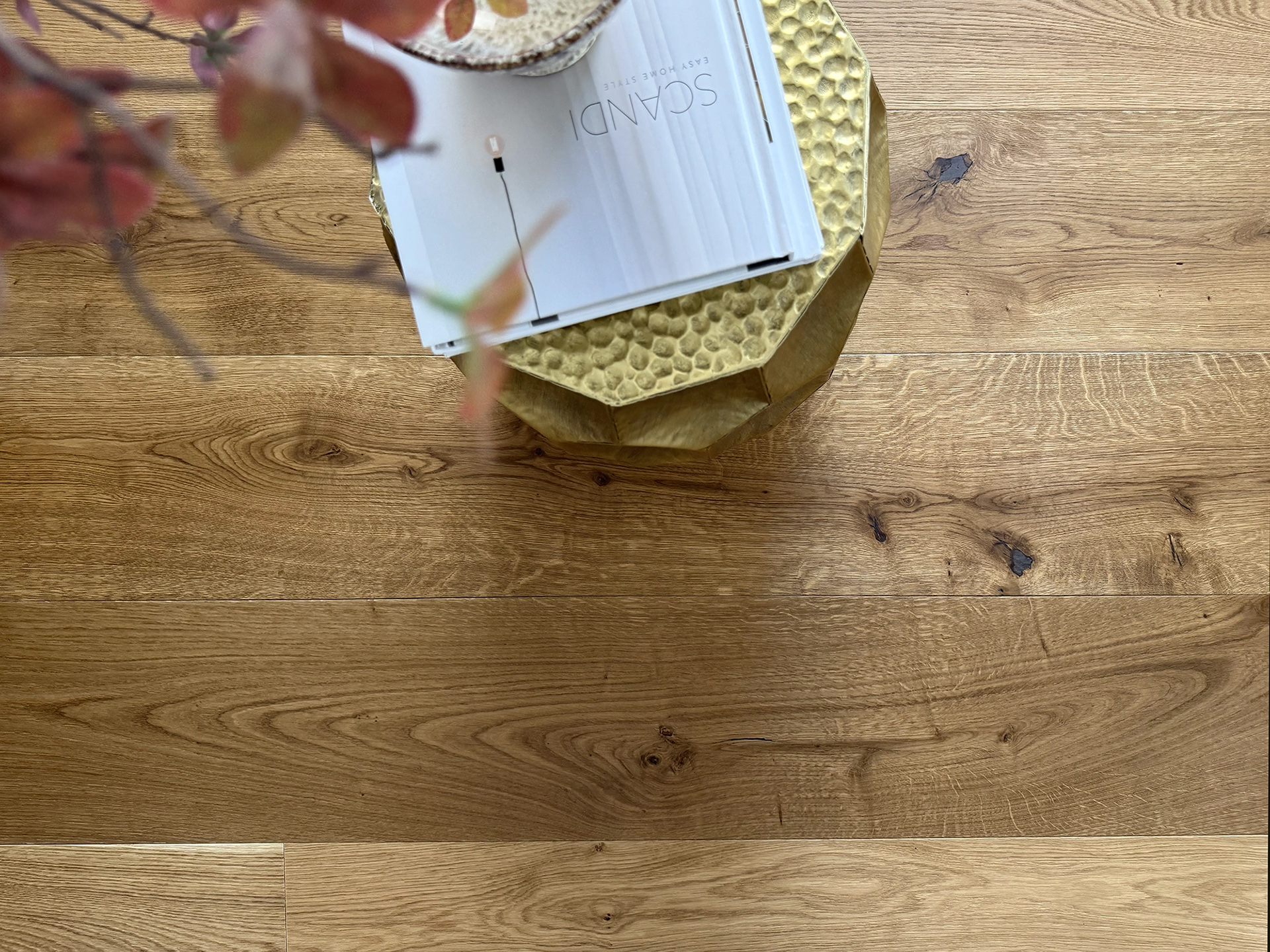
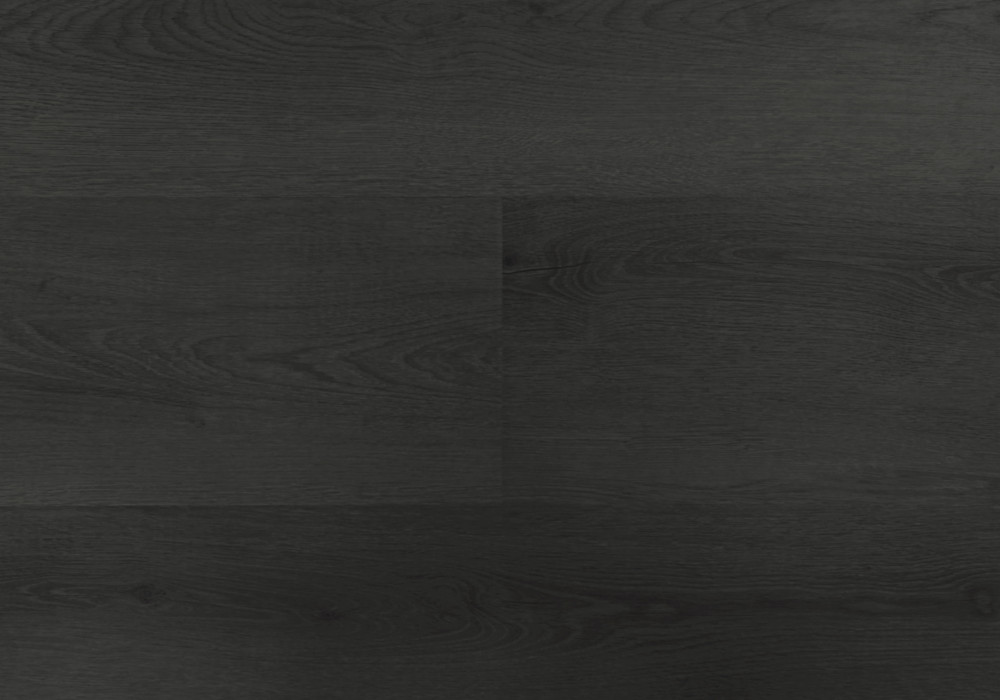

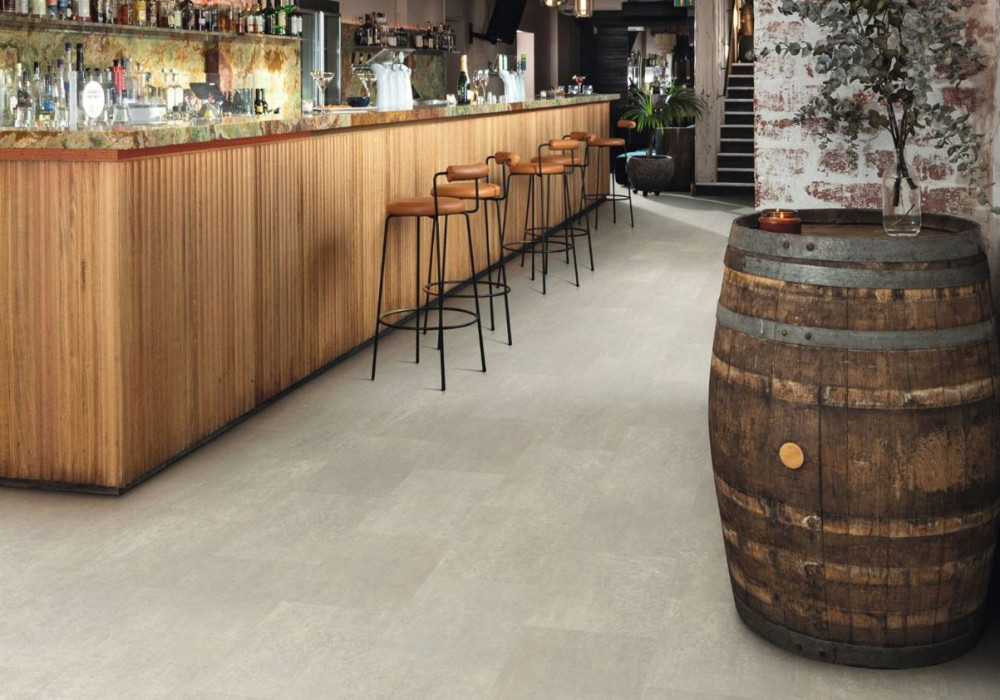


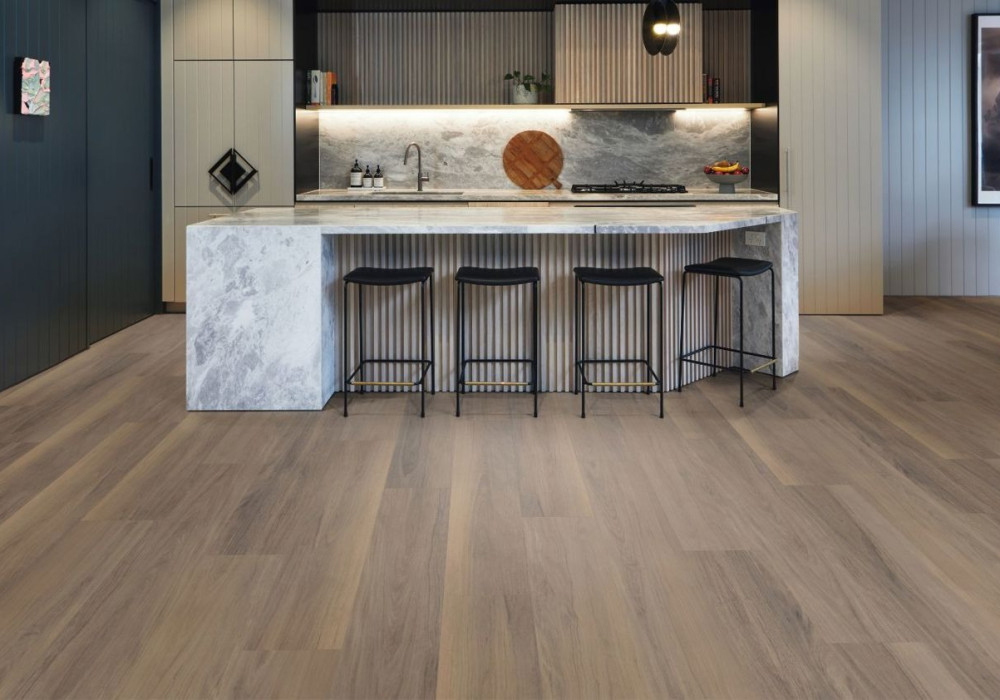
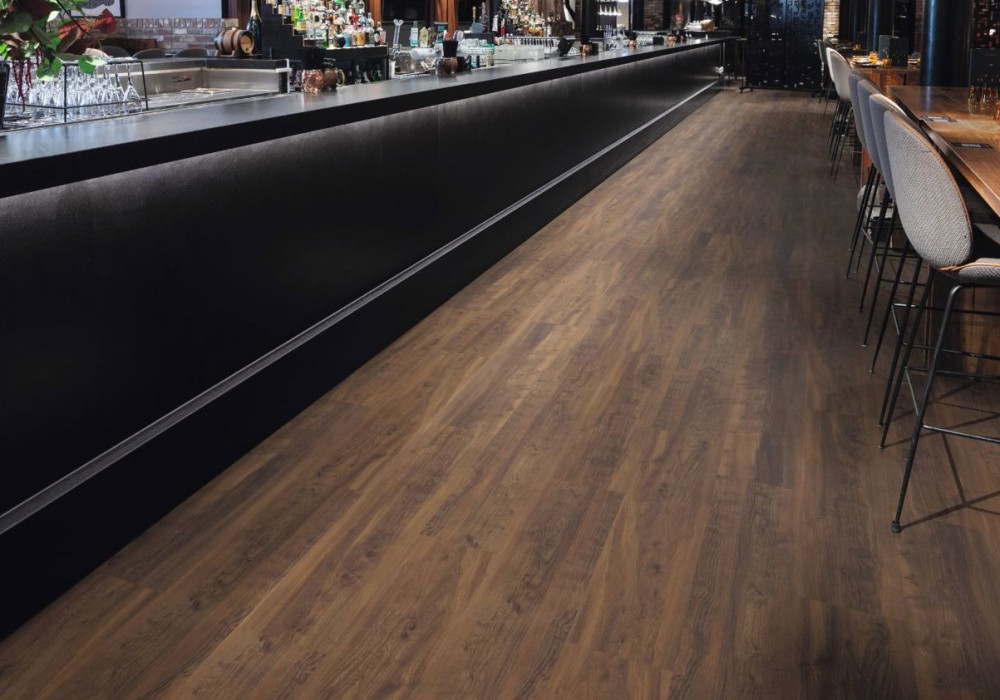
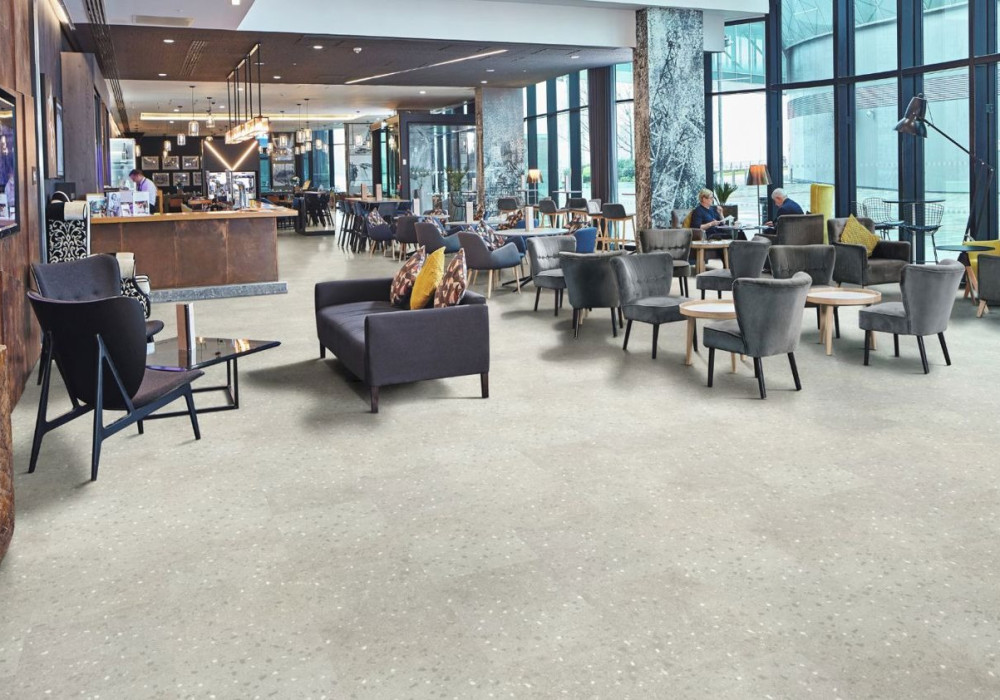
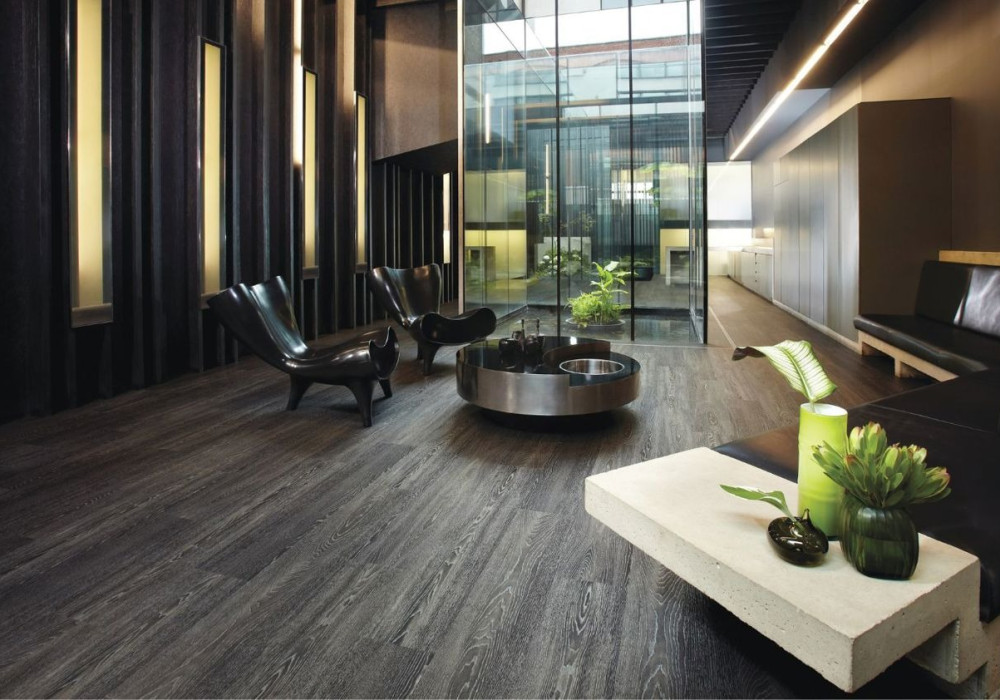
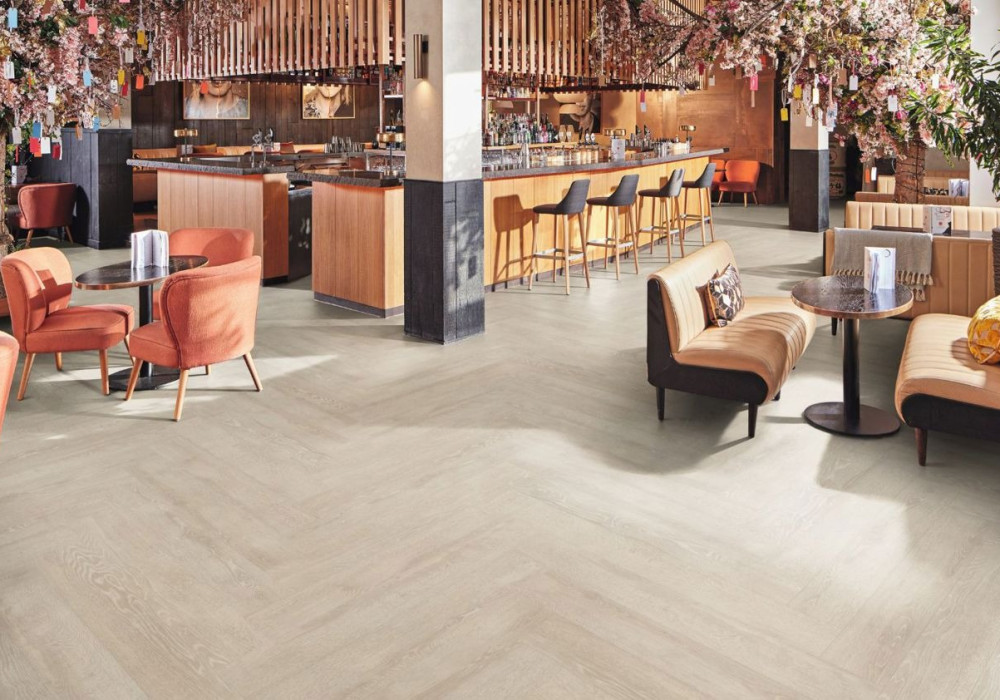
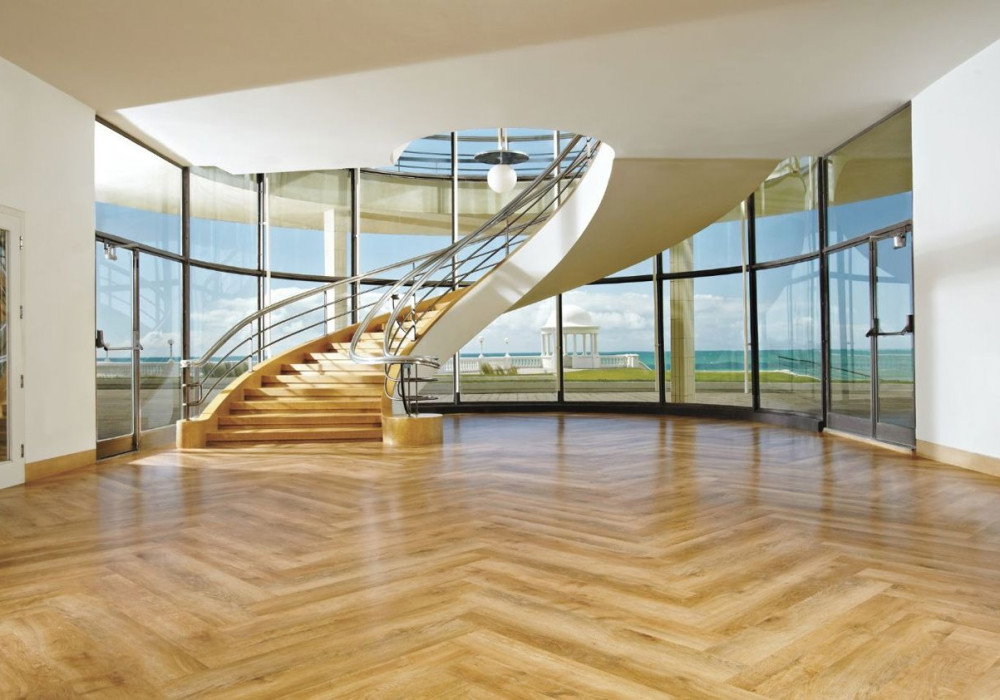
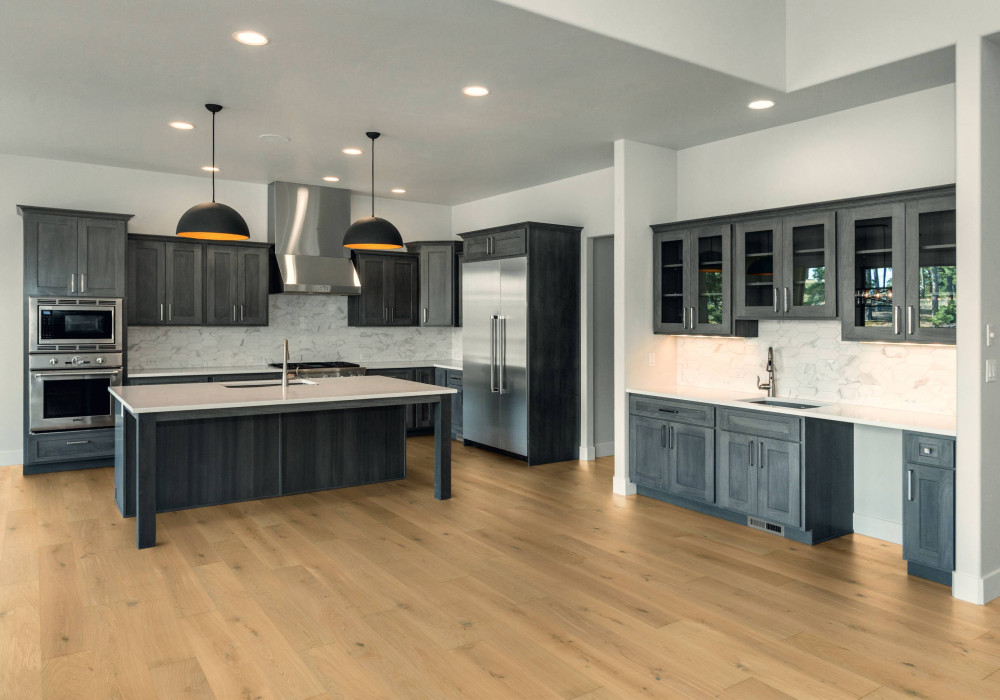


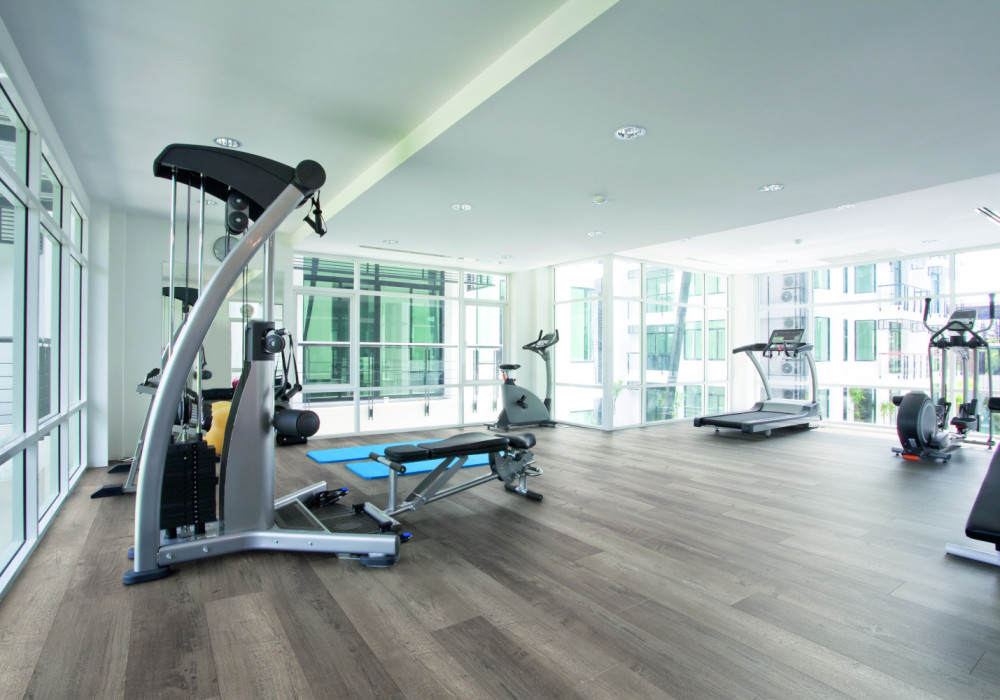

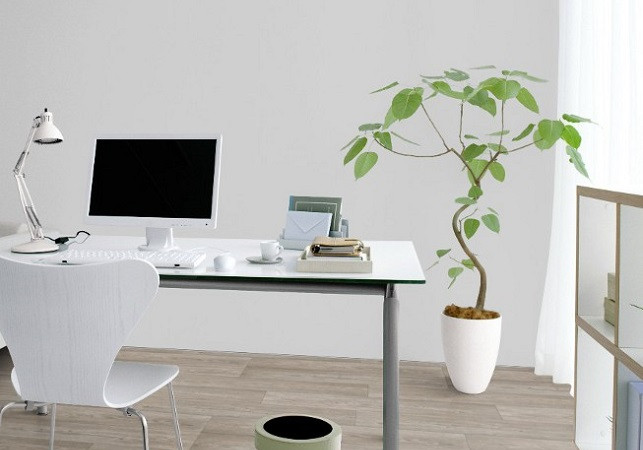

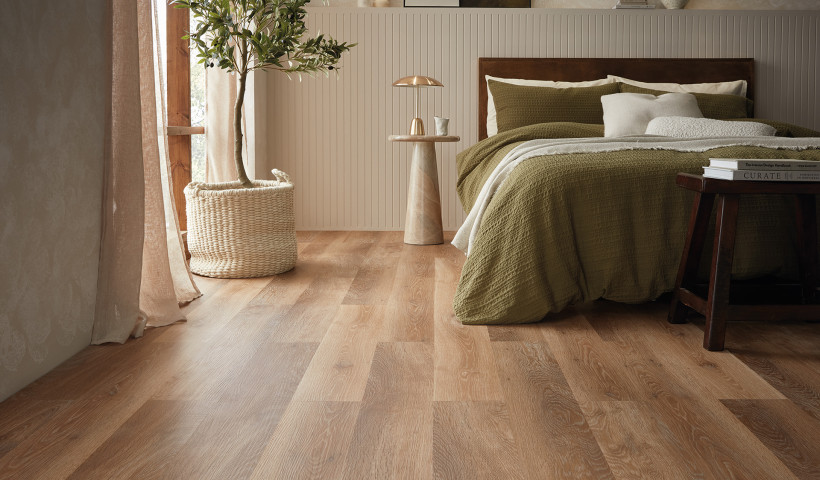
Timber remains one of the most requested finishes in New Zealand interiors. Its warmth, grain and natural variation are hard to replicate. But not every space suits a timber floor, and not every timber-look floor performs equally. Advances in print, emboss and wear-layer technology now let vinyl, luxury vinyl tile (LVT) and laminate deliver a convincing timber look and feel, with the durability that hard-working spaces demand.
Here's what separates a good timber look from a great one.
Not all timber looks are created equal
Two products can share a species name on the sample board and look very different once installed. The difference usually comes down to the quality of the original design, how the texture is applied and how the plank edges are finished.
Scale matters too. A design taken from a small number of boards repeats quickly across a large floor plate. A design built from many boards gives natural variation without an obvious pattern. Before specifying, ask how many distinct plank visuals a design contains.
Embossed in register: texture that follows the grain
Most timber-look floors carry a surface texture. What matters is whether that texture matches the image beneath it.
A generic emboss applies the same brushed texture across the whole plank, wherever the knots and grain lines sit. Embossed-in-register (EIR) texture, sometimes called registered or synchronised embossing, is aligned with the printed design. Grain is recessed where you see grain, knots sit where they appear and light catches the surface the way it would on real timber.
There's a simple test. Hold a sample at a low angle under raking light. If the texture follows the pattern, it's in register. If it runs its own way, it isn't.
Know where the design comes from
A timber look is only as good as its source. Some manufacturers license stock imagery or share designs across several brands. Others create and own their designs, working from real material.
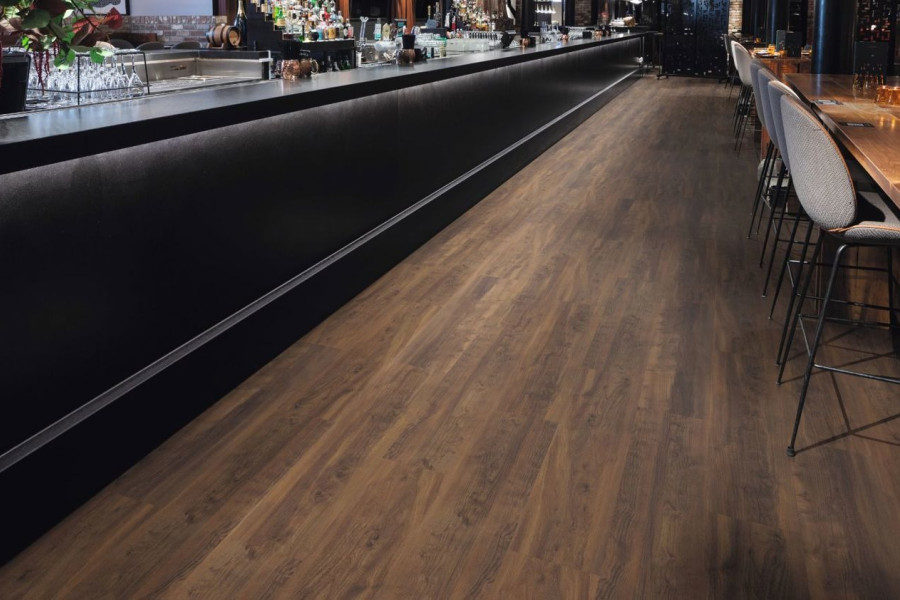
Karndean Design flooring takes the second approach. Its product team travels the world to select the wood and stone that inspire its designs, and it develops and owns every design it produces. Washed Blackbutt, from the Karndean Van Gogh range, is one example. Blackbutt is an Australian hardwood named for its lower trunk, which is blackened by the forest fires that sweep through, destroy and then renew its habitat. The source boards came from the far north of New South Wales, and the team took care to keep the sap lines that run through the timber and give the design its distinctive linear grain.
For specifiers, this goes beyond aesthetics. Because Karndean designs are available only from Karndean, the look you specify won't appear in another supplier's range under a different name. That protects the design intent of a project.
Timber, laminate, LVT or vinyl: choosing the right floor
Timber
Solid and engineered timber bring true character and can usually be sanded and refinished during their life. They also ask more of the people who look after them. With the strong UV in NZ, Timber will discolour over time in the sunlight and moves with changes in humidity, marks under point loads and heavy traffic, and needs periodic recoating to protect its finish. In busy, wet or hard-working spaces, that upkeep adds up.
Laminate
Laminate combines an HDF core made from wood fibre, a printed decor layer and a hard melamine surface. It's rigid, resists scratches and dents well and floats over most prepared subfloors. Wear performance is classified under EN 13329 using AC ratings, which help match a product to residential or commercial traffic.
Moisture has traditionally been the watch-out with laminate, but this is changing. Jacobsen Everlast laminate delivers up to 100 hours of water resistance, giving homeowners peace of mind against everyday spills and making cleaning simple and stress-free.
LVT
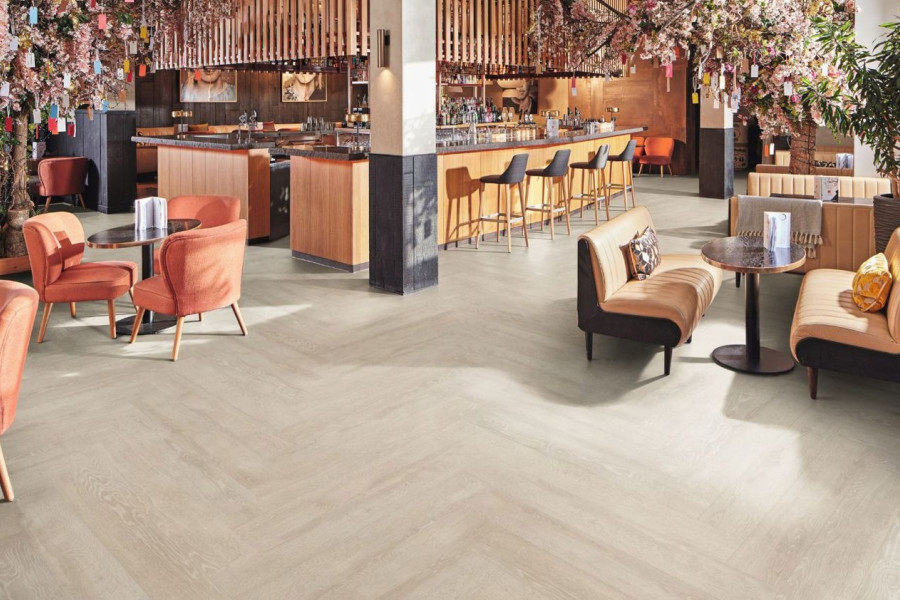
LVT is built in layers, with a printed design protected by a clear wear layer and surface coating. It's water-resistant, softer and quieter underfoot than laminate, and comes in glue-down. Wear-layer thickness is a useful guide to durability, with thicker layers suited to heavier commercial traffic. Damaged planks can be replaced individually.
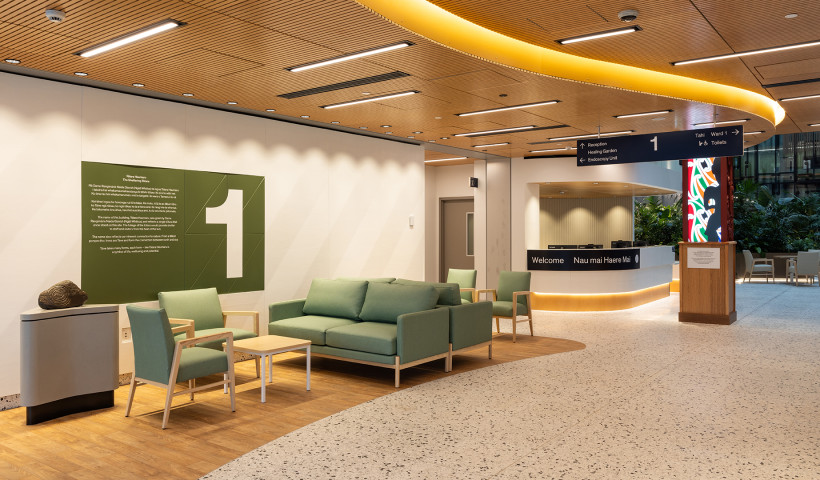
Karndean Design flooring LVT pairs this construction with its original wood designs, giving specifiers the visual depth of timber in spaces where timber would struggle.
Sheet vinyl
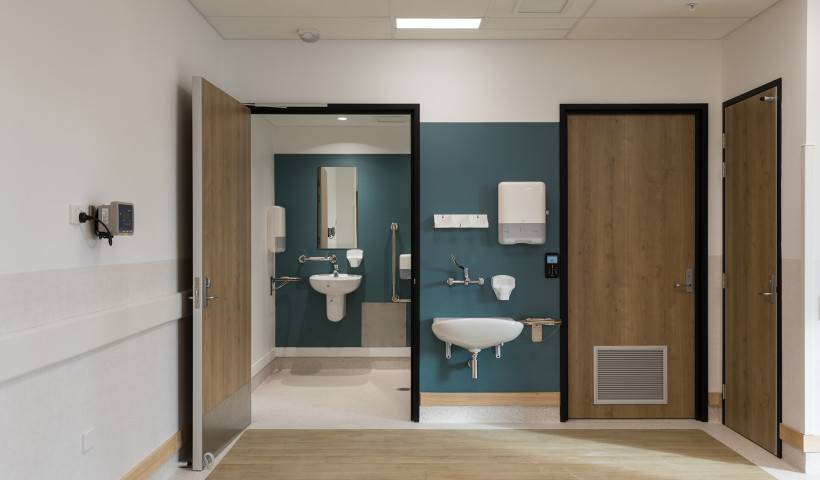
High-quality sheet vinyl installs as a continuous surface, making it the choice where floors must be impervious and easy to clean. Healthcare, aged care and education wet areas are typical examples. Timber-look sheet designs bring warmth to spaces where hygiene comes first.
Lower maintenance, longer life
Across all formats, routine care is straightforward: regular vacuuming and damp mopping with a pH-neutral cleaner. There's no sanding, oiling or recoating. In commercial fit-outs, where downtime is costly, that difference shows up in the total cost of a floor over its life.
Specifying with confidence
When the product behind it is right, a timber look is a considered design choice rather than a compromise. Ask your supplier where the design comes from, whether the texture is in register, and which format suits the space.
The team at Jacobsen can help you ensure your flooring choice is fit for purpose for your project.
 Popular Products from Jacobsen
 Most Popular

 Popular Blog Posts